
Champat Rai ‘may be guilty of negligence’ in Ram Temple donation case, ‘admits’ VHP chief Alok Kumar
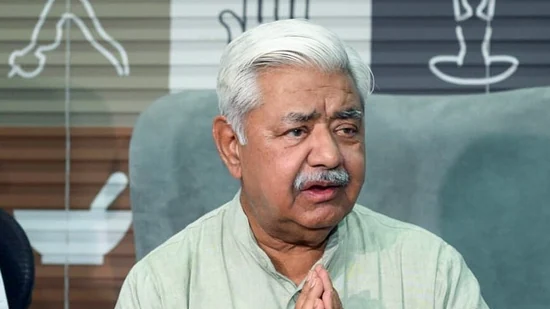
Champat Rai May Be Guilty in Ayodhya Ram Temple Donation Scandal – VHP Chief Admits
Context of the Ayodhya Ram Temple Donation Discrepancy
Bharatmorningnews.com – In the wake of the Ayodhya Ram Temple donation theft controversy, VHP International President Alok Kumar has acknowledged that Champat Rai may be guilty of negligence. The allegations center around the mismanagement of funds contributed to the construction of the revered temple, which has sparked widespread debate among religious groups and the public. Kumar emphasized that the VHP, while having played a significant role in the temple’s creation and management, is now prepared to wait for the outcomes of the ongoing investigation before taking any formal action against Rai. This statement comes as the Supreme Court’s verdict on the Ram Temple dispute has shifted responsibility from the VHP to the temple trust, which now oversees its operational affairs.
The controversy has drawn attention to the financial transparency of the Ram Temple project, with claims that millions of rupees were improperly diverted or misused. The investigation, led by the Special Investigation Team (SIT), has already identified several individuals involved in the alleged irregularities, including Champat Rai, who previously served as the general secretary of the temple trust. Kumar’s admission highlights the VHP’s commitment to accountability, even as the organization faces scrutiny for its perceived role in the scandal. The use of the term “may be guilty” underscores the tentative nature of the accusations, pending conclusive evidence from the probe.
Investigation and Legal Proceedings
The probe into the donation theft case has revealed a complex web of transactions and responsibilities, with Champat Rai at the center of the controversy. Kumar stated that the VHP has been advocating for a thorough and exhaustive investigation, ensuring that all parties, regardless of their positions, are scrutinized. He reiterated that the organization will not act hastily, as the legal process must determine the extent of Rai’s involvement. The driver of Champat Rai has been detained and is under investigation, with funds recovered and potential charges pending. This legal step has been seen as a necessary measure to clarify the facts and hold the accused accountable.
“What has happened is very unfortunate. It has hurt the sentiments of Hindus worldwide. There is no room for excuses or justifications. We are all committed to ensuring the police and the SIT conduct an exhaustive investigation, covering all angles and individuals, regardless of their positions,” Kumar said.
Meanwhile, the VHP has emphasized its dedication to transparency, noting that the trust, not the VHP itself, is responsible for managing the temple’s daily operations. Kumar clarified that while Champat Rai held a leadership role within the VHP, he was not directly appointed to the temple trust’s administrative functions. This distinction is crucial in the ongoing debate over who bears responsibility for the alleged financial misconduct. The probe has also expanded beyond the initial eight arrests, with officials indicating that further scrutiny may uncover more individuals implicated in the donations scandal.
Political Implications and Public Reaction
The donation theft allegations have not only raised questions about financial accountability but have also highlighted the political undercurrents of the case. Kumar suggested that the attempts to blame the VHP, RSS, and even the prime minister’s office might be part of a larger strategy to influence public opinion ahead of the upcoming state elections. This political dimension adds complexity to the situation, as the VHP seeks to balance its role as a religious organization with its influence in national politics. The case has become a focal point for discussions about integrity in leadership and the handling of public funds.
“Champat Rai, as the international vice president of the VHP, should be held accountable on moral grounds. However, he was not appointed to the general secretary role, so we are not responsible for the actions taken there. The attempts to blame the VHP, RSS, and the prime minister’s office are likely political moves ahead of the upcoming assembly elections,” Kumar added.
Public reaction to the case has been divided, with some Hindus expressing disappointment in the VHP’s leadership and others supporting the organization’s stance that the investigation must be completed before any judgments are made. The trust has also requested a comprehensive inquiry into the donation discrepancies, ensuring that no one is overlooked in the process. This approach reflects the importance of due process in maintaining the credibility of the VHP and the temple trust as institutions.
Champat Rai’s Role and the Investigation’s Scope
Champat Rai’s involvement in the Ayodhya Ram Temple donation case has been a subject of intense scrutiny, with the VHP chief now admitting that he may be guilty of negligence. Rai, who previously served as the general secretary of the temple trust, has been accused of overseeing the allocation of funds that were allegedly misused. The SIT probe has examined the transactions closely, and while some charges have been filed, others remain under investigation. Kumar stressed that the VHP is not dismissing Rai’s actions prematurely, as the evidence must be clear and conclusive before any decisions are made.
The current legal proceedings aim to uncover the full extent of the donation discrepancies, which have sparked concerns about financial transparency in the Ram Temple project. The trust has requested a detailed examination of all transactions, with the investigation extending beyond the initial eight arrests to include other individuals and entities involved. This broader scope ensures that no stone is left unturned, as the VHP seeks to uphold its reputation and demonstrate its commitment to accountability. The case has also drawn attention to the need for clearer financial protocols in the management of religious institutions.
“I issued a four-point statement as president of the VHP: an FIR must be filed immediately, the case investigated by senior officers, tried in a fast-track court daily, and the guilty punished within four to five months. We cannot dismiss Rai without the investigation’s findings, as no one has formally accused him yet,” Kumar explained.
As the probe continues, the VHP remains focused on ensuring that all parties are given a fair chance to present their case. The outcome of the investigation will determine whether Champat Rai’s actions constitute negligence, misconduct, or a combination of both. This case is not only about the financial aspects of the Ram Temple but also about the broader implications for trust and transparency in religious organizations. The VHP’s handling of the situation will be closely watched as it moves forward with the legal process.