
Lucid layoffs: EV maker cuts 18% workforce, eliminates COO Marc Winterhoff’s role
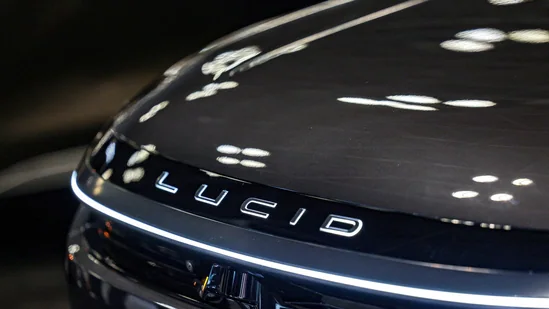
Lucid Layoffs: EV Maker Cuts 18% Workforce, Eliminates COO Role
Workforce Reduction and Leadership Changes
Bharatmorningnews.com – Lucid layoffs have intensified as the luxury electric vehicle (EV) company announces a significant restructuring, reducing its U.S. workforce by 18%. The cuts are primarily affecting employees at its Arizona-based AMP-1 manufacturing facility, which is central to its production operations. The decision includes the elimination of the Chief Operating Officer (COO) role, marking a pivotal shift in leadership. This move comes as the company navigates financial pressures and market competition, aiming to streamline operations and improve cost efficiency.
The restructuring was revealed in a recent filing with the Securities and Exchange Commission (S.E.C.), highlighting the company’s efforts to adapt to evolving industry dynamics. Marc Winterhoff, who previously held the COO position, will no longer be part of the executive team. He transitioned to interim CEO in early 2025 before returning to the COO role following the appointment of a new CEO. Despite his departure, Winterhoff will receive a severance package, retain access to certain security benefits, and continue to enjoy his company-issued vehicle—a detail emphasized in the SEC filing.
Strategic Shifts and Cost Efficiency Measures
“The restructuring is designed to align production with customer demand and reduce inventory buildup,” explained a company representative in a statement to Business Insider. “These adjustments will allow us to optimize resources and enhance our operational agility in a rapidly changing market.”
Lucid anticipates substantial annual savings of approximately $158 million from these changes, according to its financial disclosure. A key part of this strategy involves discontinuing the second production shift at its Arizona plant, which will reduce overhead costs and streamline manufacturing processes. The company has also reportedly consolidated roles, ensuring that remaining employees are better positioned to meet future production targets and market expectations. These steps underscore Lucid’s commitment to improving profitability amid rising competition in the EV sector.
This marks the second wave of Lucid layoffs, following an initial round in February 2026 that saw around 12% of its U.S. staff let go. The cumulative impact of these reductions now stands at 18%, signaling a strategic reevaluation of its workforce structure. Industry analysts suggest that the layoffs are part of a broader effort to refine Lucid’s business model, particularly as it seeks to balance innovation with fiscal responsibility. The company’s ability to execute these changes will be critical in determining its long-term viability in the EV market.
Leadership Transition and New Strategic Directions
Over the past 18 months, Lucid has experienced several leadership transitions, including the unexpected resignation of its former CEO, Peter Rawlinson, in February 2025. This led to Marc Winterhoff stepping in as interim CEO, a role he later assumed as COO after the new CEO, Silvio Napoli, was appointed. Napoli, a former executive at The Schindler Group, brings experience in logistics and technology to Lucid’s boardroom, signaling a shift toward operational and technological integration.
Under Napoli’s leadership, Lucid is focused on expanding its product portfolio with the introduction of a more affordable SUV later this year. Priced below $50,000, this model aims to compete directly with the Tesla Model Y and Rivian R2, which have dominated the mid-range EV segment. Additionally, the company is advancing its robotaxi initiatives through partnerships with Uber and Nuro, further diversifying its revenue streams. These moves reflect Lucid’s strategy to solidify its position in the EV market while addressing consumer demand for cost-effective alternatives.
Product Challenges and Market Adaptation
The previous SUV model faced supply chain delays, which disrupted delivery timelines and affected customer satisfaction. Software challenges also emerged, with users reporting issues such as connectivity problems and performance hiccups. However, Lucid has managed these setbacks, maintaining its reputation for innovation, especially in its flagship Lucid Air sedan, which is praised for its energy efficiency and advanced features. The company’s ability to overcome these hurdles demonstrates resilience, though the recent Lucid layoffs indicate a need for further cost optimization.
As Lucid adapts to market demands, it is also reevaluating its product roadmap. The cuts in workforce and leadership roles are intended to accelerate the development of new models, including the upcoming SUV, which is expected to compete more effectively in the affordable EV segment. Analysts note that the company’s focus on affordability is a strategic response to the dominance of Tesla and other competitors. While the Lucid layoffs may raise concerns about job security, they also position the company for long-term growth by reallocating resources to key areas of innovation and production.
Industry Implications and Future Outlook
The Lucid layoffs have sparked discussions about the company’s financial health and its ability to sustain operations in the competitive EV industry. With the automotive sector facing challenges such as fluctuating demand and rising production costs, Lucid’s decision to cut 18% of its workforce underscores the need for agility. The removal of the COO role and restructuring of leadership are seen as steps toward a more streamlined management approach, which could improve decision-making and operational efficiency.
Despite the challenges, Lucid remains optimistic about its future. The company’s long-term goals include expanding its market share and introducing new technologies that could redefine the EV landscape. The combination of cost-cutting measures and strategic investments in products like the affordable SUV and robotaxi initiatives positions Lucid for growth. However, the success of these plans will depend on the company’s ability to balance efficiency with quality, ensuring that customer trust is maintained amid the Lucid layoffs.