
‘This is big’: Anthropic disables Mythos, Fable models over US govt’s foreign access ban
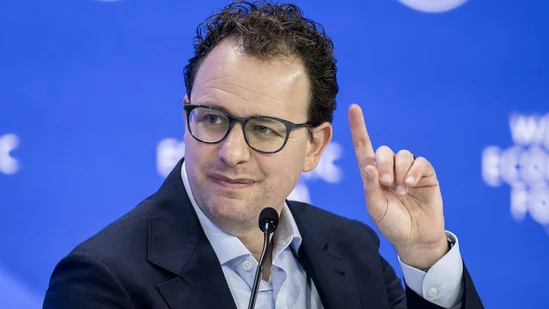
Anthropic Suspends Models Amid US Export Ban
Bharatmorningnews.com – This is big — Anthropic has suspended access to its Fable 5 and Mythos 5 AI models for non-US citizens following a new directive from the US government. The decision, effective immediately, aims to limit foreign use of these advanced systems, citing national security concerns. This marks a significant step in the administration’s efforts to control AI technology’s global reach, with implications for international collaboration and innovation.
The Rationale Behind the Suspension
The export control order restricts access to Anthropic’s top-tier models, which are now limited to US-based users. While the company has not provided detailed justification for the ban, it emphasized that the directive focuses on a specific vulnerability, not a universal threat. “This is big,” Anthropic stated, “as the evidence suggests a narrow risk of bypassing safeguards.” The move highlights the government’s growing emphasis on AI as a strategic asset with potential security ramifications.
Industry experts suggest the ban may be tied to Anthropic’s proximity to an upcoming initial public offering (IPO). Critics argue the decision could be a political maneuver to assert dominance in AI technology. “This is big — the US government’s timing couldn’t be better,” one analyst noted. The suspension also raises questions about how foreign users will access cutting-edge AI tools, potentially slowing global adoption and innovation.
User Reactions and Censorship Concerns
“This is big — the US government is starting to control AI at the source,” said a user on social media. “Even if you’re in the country, you might not be allowed to use these models.”
Others echoed similar sentiments, with some fearing the directive could signal a broader effort to regulate AI outputs. “The government censorship of AI models begins now,” one comment warned, suggesting the ban could lead to stricter control over open-source models in the future.
Meanwhile, some users have embraced the move as a necessary step for national security. “No killer robots for the Pentagon — US gov: Then no model for anyone,” another remarked, highlighting the tension between commercial interests and geopolitical priorities. The humorous quip, “Do ants (Anthropic) own staff not get to work on this / not use it personally now lol,” underscores the mixed public sentiment surrounding the decision.
Industry Leaders and Geopolitical Shifts
Former Zoho Corp CEO Sridhar Vembu has called the ban “This is big” — a reflection of how technology has become a cornerstone of national power. “Countries will increasingly view AI access through a geopolitical lens,” he argued, emphasizing the need for self-reliance in tech development. Vembu also urged India to support domestic AI models, stating, “With a bit of effort, we can make them work — why pay money to people who don’t even want to sell to you?”
Anthropic maintains that the government’s action is overreaching. “This is big, but the evidence is limited to a narrow vulnerability,” the firm explained. It claims the ban could hinder progress for millions of users worldwide. The US Department of Defense’s Kirsten Davies, however, defended the move, stating, “National security must take priority — some things are simply more important than revenue cycles.”
Broader Implications for AI Development
The directive has sparked discussions about the future of AI governance. “This is big for global tech partnerships,” said a commentator, noting that the ban could create a divide between US and international developers. The decision may also influence other tech firms, prompting similar measures as the US seeks to secure its AI leadership. “If Anthropic can be restricted, what’s next?” industry observers are asking, as the geopolitical stakes of AI technology escalate.
With the suspension in place, the focus shifts to how non-US users will adapt. “This is big for the global AI ecosystem,” analysts warn. The move not only affects access but also underscores the growing role of national security in shaping AI innovation. As the US tightens its grip, the question remains: will this be a temporary measure or the start of a new era in AI control?