
Vinod Kaul: “No biography can fully capture a life”
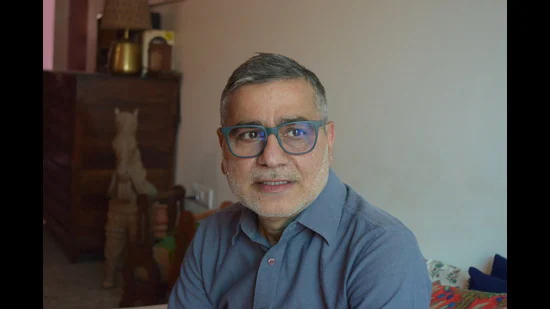
Vinod Kaul: “No biography can fully capture a life”
The Organic Path to a Legacy
Bharatmorningnews.com – The decision to immortalize Awtar Kaul’s story in a book rather than leave it to family whispers stemmed from a deep-seated belief that his life deserved more than fleeting remembrance. While the process seemed incidental at first, it gradually transformed into a deliberate pursuit to piece together the man whose absence had left an indelible mark on the family’s narrative.
Awtar’s passing occurred when I was just ten years old, coinciding with the announcement of his film 27 Down winning a National Award. Even as a child, the convergence of these two milestones etched a lasting impression. For a time, his name and work lingered in public discourse, but over the years, both faded from memory. The family, too, began to move forward, though the gaps in recollection remained.
My fascination with Awtar never wavered. I amassed photographs, articles, and documents, slowly turning them into a personal chronicle. Yet, the fragmented nature of his story revealed how much was unknown—not just to me, but to those closest to him. His life spanned multiple locations: Srinagar, Delhi, America, and finally Bombay, where he became a filmmaker. No single individual held the complete picture.
A Turning Point in the Timeline
The fiftieth anniversary of 27 Down and Awtar’s death marked a pivotal moment. It felt as though time had conspired to remind me that his story might otherwise slip into obscurity. This realization spurred me to act, whether through a documentary or a book. Collaborators and institutions I encountered along the way echoed this urgency, reinforcing the idea that his contributions required preservation.
Years of interviews, archival dives, and visits to the Ministry of Information and Broadcasting, the NFDC, and other cultural bodies helped fill the blanks. Rare photographs, award records, and testimonies from acquaintances were gathered, each adding layers to the story. But even with these materials, the essence of his journey remained elusive.
“No biography can fully capture a life.”
The 2024 special screening of 27 Down at IFFI Goa served as both a tribute and a catalyst. Encouraged by the Publications Division, I submitted a book proposal, convinced that a written record would safeguard his legacy. While human memory is fleeting, books offer a way to bridge generations, preserving not just facts but the spirit of a life.
The Lingering Incompleteness
What remains unfinished about Awtar’s story? That question became central to the narrative. Writing about a family member is inherently personal, yet reconstructing their life through scattered memories and archival fragments posed unique challenges. Gaps in records, unanswered questions, and incomplete accounts shaped the book’s structure, mirroring the gaps in Awtar’s own path.
His life was a series of unfulfilled chapters. From early education to career choices, he consistently opted for the uncertain over the secure. Financial struggles, temporary jobs, and the choice to return to India from America all reflected his commitment to conviction. Even his death at 35 underscored the theme of incompletion—his film triumphed, but he never saw its full impact. His potential as an artist remained unrealized.
Through this process, I came to appreciate that the very nature of his story invited reflection on what it means to live fully. The book became both a tribute and a meditation on the impermanence of human endeavors, shaped by the understanding that some legacies must be sought, not found.