
CBSE OSM row: CBSE Chairman, Secretary transferred; inquiry committee to probe procurement of OSM services
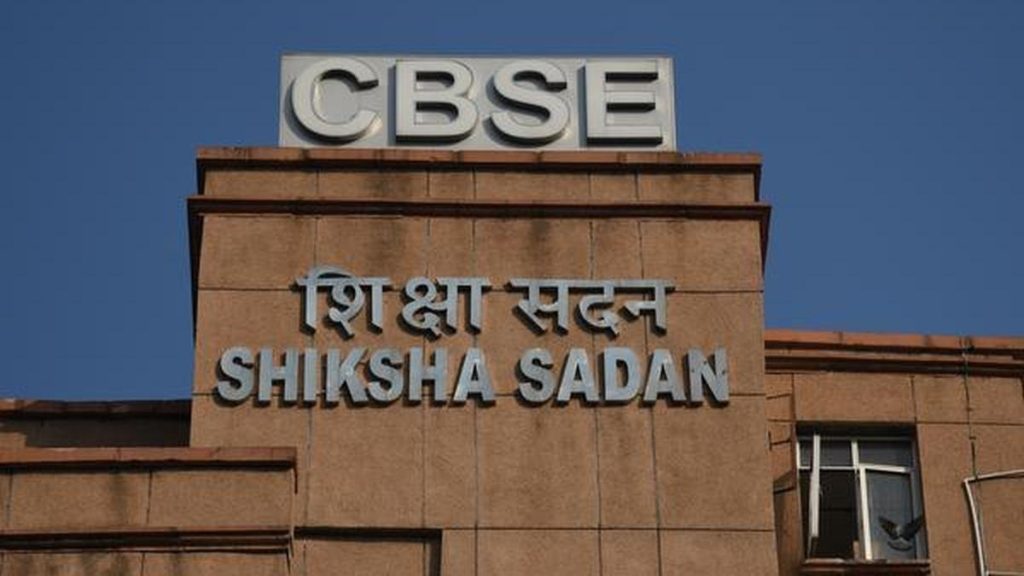
CBSE OSM Controversy: Leadership Shifts and Independent Inquiry Launched
Bharatmorningnews.com – The recent announcement of Class 12 Board exam results has sparked controversy over the Central Board of Secondary Education’s (CBSE) evaluation process. Students and educators have raised concerns about inconsistencies in grading and the reliability of the re-evaluation system, which has led to public scrutiny of the board’s operations. At the heart of this debate is the On-Screen Marking (OSM) system, a digital grading service that has faced criticism for its impact on exam outcomes.
On Tuesday (June 2, 2026), the Centre announced the transfer of two key CBSE officials: Chairman Rahul Singh and Secretary Himanshu Gupta. The decision follows reports of widespread issues with the OSM system, which was introduced to streamline the grading process. An independent inquiry committee has been established to investigate the procurement of these digital grading services, marking a significant step in addressing the concerns raised by stakeholders.
The OSM system has become a focal point of the debate, with students alleging that their scores did not align with their expected performance. A sharp decline in the pass percentage—from 88.39% in 2025 to 85.29% in 2026—has intensified scrutiny. Additionally, the number of students achieving above 90% has dropped, further fueling doubts about the system’s fairness. These changes have prompted questions about whether the OSM service has affected the accuracy of grading.
Technical challenges have compounded the situation. The post-results verification portal, which allowed students to access scanned answer sheets, experienced a crash due to the overwhelming number of requests. Those who managed to retrieve their documents encountered problems: pages were often blurred, answers were missing, and some received copies belonging to other candidates. These issues have raised alarms about the transparency and efficiency of the OSM process.
Committee Formed to Investigate Procurement Practices
A memorandum issued by the Cabinet Secretariat revealed the formation of a single-member committee to probe the CBSE’s procurement of OSM services. The panel will be chaired by S. Radha Chauhan, the Capacity Building Commission’s chairperson. This selection underscores the government’s focus on evaluating the bidding and contractual aspects of the digital grading system.
“The committee will thoroughly examine the procurement process to ensure accountability and transparency in the allocation of services,” stated the Cabinet Secretariat in a statement.
Radha Chauhan has been granted authority to collaborate with officials from other government departments as needed. The Capacity Building Commission will also provide administrative support to the committee. The inquiry is expected to conclude within a month, with the final report submitted to the Department of Personnel and Training.
The decision to form the committee came after the Department of School Education and Literacy, along with the Department of Personnel and Training, were informed of the probe. This move signals a coordinated effort to address the controversies surrounding the OSM system and its implications for exam fairness.
Parliamentary Committee Engages in Discussions
Earlier that day, the Parliamentary Committee for Education, Women, Children, Youth, and Sports convened to discuss the OSM-related issues. Chaired by Congress MP Digvijaya Singh, the session brought together top CBSE officials and representatives from the Ministry of School Education. The committee sought clarity on the system’s implementation and its effects on students’ performance.
Singh highlighted the need for a transparent evaluation process, emphasizing that students should not face unexpected discrepancies in their results. “The OSM system must be scrutinized to restore trust in the board’s grading mechanisms,” he remarked. The discussion also touched on the procedural challenges, including the crash of the verification portal and the confusion over answer book copies.
As the inquiry progresses, attention will likely shift to the board’s internal processes and the oversight provided during the procurement of the OSM service. The committee’s findings may have far-reaching implications for the future of digital grading in Indian education. Meanwhile, the CBSE faces pressure to explain how the system’s rollout affected the pass percentage and student satisfaction.
Context of the OSM System and Its Challenges
The OSM system was introduced to modernize the grading process, aiming to reduce manual errors and expedite result declarations. However, its implementation has been marred by technical glitches and administrative lapses. The system’s reliance on technology has exposed vulnerabilities, particularly during the high-stakes environment of result day.
Analysts suggest that the OSM system’s efficiency is overshadowed by its complexity. The crash of the verification portal and the irregularities in answer book distribution highlight the need for robust infrastructure and clear protocols. Students who had to rely on scanned copies of their answer books reported frustration over the lack of clarity and the potential for misrepresentation of their work.
While the committee focuses on procurement, the broader implications of the OSM system’s performance remain under debate. Critics argue that the system’s shortcomings could undermine the credibility of CBSE exams, which are pivotal for students’ academic and career paths. The drop in pass percentages has also sparked discussions about whether the grading system is becoming more stringent or if errors in the OSM process are skewing results.
As the inquiry committee begins its work, the CBSE is expected to provide detailed explanations of its procurement decisions and the measures taken to address the technical issues. The outcome of this probe may determine whether the OSM system will be re-evaluated or modified to ensure fair and accurate grading in future examinations.
Copyright© 2026, THG PUBLISHING PVT LTD. or its affiliated companies. All rights reserved.