
Delhi, Punjab, Odisha: States roll out free travel for NEET-UG re-exam candidates
Delhi, Punjab, Odisha: Free Travel for NEET-UG Re-Exam Candidates
Support for Students Amid Rescheduled Examination
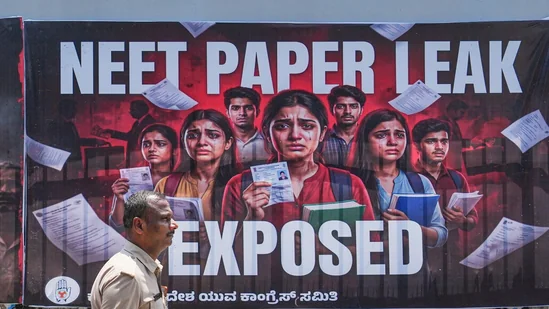
Bharatmorningnews.com – Delhi, Punjab, and Odisha have taken proactive steps to ensure seamless travel for students appearing in the NEET-UG re-exam, which was postponed from its original date of May 3 due to a paper leak and allegations of irregularities. The decision to provide free or subsidized transportation comes as a significant relief to over 13 lakh aspirants across the country, who are now set to take the crucial examination on June 21. This initiative, spearheaded by the states, aims to alleviate logistical challenges and reduce the physical strain of traveling during the sweltering summer heat. By prioritizing student mobility, these measures reflect a growing emphasis on supporting candidates in their academic journeys, particularly in high-stakes exams like NEET-UG.
Odisha’s Initiative to Facilitate Free Bus Travel
Odisha has emerged as a leader in this effort, with its Commerce & Transport Department instructing the Odisha State Road Transport Corporation (OSRTC) to offer free rides on state-operated buses to NEET-UG re-exam participants. The policy applies to all 134 exam centres across the state, ensuring that students can travel without financial burden. This move is expected to benefit approximately 56,983 candidates, a number that underscores the scale of the challenge faced by the state. The initiative is not only a practical solution but also a symbolic gesture of the government’s commitment to student welfare. By covering transportation costs, Odisha aims to create an equitable environment for all candidates, regardless of their economic background.
Punjab’s Fare Waiver for Candidates and Attendants
Delhi, Punjab, and Odisha have taken proactive steps to ensure seamless travel for students appearing in the NEET-UG re-exam, which was postponed from its original date of May 3 due to a paper leak and allegations of irregularities. The decision to provide free or subsidized transportation comes as a significant relief to over 13 lakh aspirants across the country, who are now set to take the crucial examination on June 21. This initiative, spearheaded by the states, aims to alleviate logistical challenges and reduce the physical strain of traveling during the sweltering summer heat. By prioritizing student mobility, these measures reflect a growing emphasis on supporting candidates in their academic journeys, particularly in high-stakes exams like NEET-UG.
“No student faces inconvenience on an important day,” said Delhi CM Rekha Gupta, highlighting the initiative’s aim to ease logistical burdens and safeguard against heat-related health risks during the summer months. Her comments underscore the importance of ensuring that all students, regardless of their location or financial status, have equal access to the examination process.
Delhi and Uttarakhand: Free Transport for Residents
Delhi Chief Minister Rekha Gupta announced free travel in Delhi Transport Corporation (DTC) buses for students presenting valid admit cards, ensuring they face no obstacles on the crucial exam day. Similarly, Uttarakhand’s Pushkar Singh Dhami administration has granted free bus passes to permanent residents attending the re-exam. These measures are particularly beneficial for students from rural areas, who often face greater difficulties in reaching examination centres. The states have also coordinated with local transport authorities to ensure timely and efficient service, covering travel from two days before the exam, on the day itself, and up to two days after for return trips. Such efforts not only enhance accessibility but also demonstrate a collective commitment to student success.
NEET-UG Re-Exam: A Critical Opportunity for Aspirants
The NEET-UG (National Eligibility cum Entrance Test for Undergraduate) re-exam is a pivotal moment for aspiring medical professionals, as it determines their eligibility for admission to undergraduate medical courses in India. With the original exam canceled, the rescheduled date of June 21 has raised concerns among candidates about the potential impact on their preparation and performance. Delhi, Punjab, and Odisha’s free travel initiatives are designed to address these concerns by minimizing stress and ensuring that students can focus entirely on the exam. The National Testing Agency and National Medical Commission have also assured parliamentary committees that enhanced security and monitoring systems will maintain the integrity of the re-exam process.
Implementation and Broader Implications
The implementation of free travel measures across Delhi, Punjab, and Odisha highlights the importance of addressing the unique needs of students during high-stakes examinations. In Delhi, the DTC has partnered with local authorities to deploy dedicated bus routes and allocate sufficient seating to accommodate the influx of candidates. Punjab’s fare waiver policy extends beyond just the students, allowing one attendant per candidate to travel free, which is especially useful for those who require additional support on exam days. Odisha’s OSRTC has prioritized the exam centers, ensuring that buses operate at full capacity to transport students without delays. These efforts not only ease the burden on students but also set a precedent for other states to follow, potentially leading to a more coordinated nationwide support system for NEET-UG aspirants.
Delhi, Punjab, and Odisha’s actions have been widely appreciated by parents and educators, who view them as a necessary step to ensure fairness and accessibility in the exam process. The free travel initiative, combined with heightened security measures, aims to restore confidence in the NEET-UG system and provide a level playing field for all candidates. As the re-exam approaches, these states are working closely with transport operators and examination authorities to address any logistical gaps and ensure a smooth process. The success of these measures will likely depend on the coordination between state governments and the efficiency of local transport networks, which are critical in facilitating the movement of students during this demanding period.