
Why is the sky yellow in northeastern US? Canadian wildfire smoke triggers air quality alerts in Massachusetts
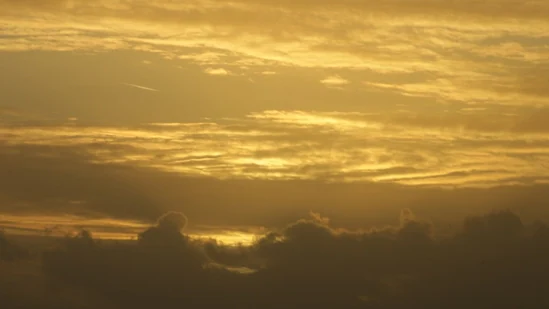
Why is the Sky Yellow in Northeast US? Canadian Wildfire Smoke Alerts
Bharatmorningnews.com – Why is the sky yellow in northeastern US? The phenomenon is linked to the thick smoke from Canadian wildfires, which has created a golden tint across the region. Air quality alerts have been issued in Massachusetts as the haze from blazes in western Ontario and northern Minnesota affects the atmosphere. The Massachusetts Department of Environmental Protection (MassDEP) reports that fine particles, known as PM2.5, are the primary cause of the discoloration and reduced visibility.
The Science Behind the Yellow Sky
Smoke from wildfires contains a mix of gases and fine particulate matter that scatter sunlight. This scattering effect, known as Rayleigh scattering, is more pronounced with smaller particles, which can alter the color of the sky to a yellow or brown hue. When the concentration of these particles becomes high enough, they block blue light more effectively, leaving the red and yellow wavelengths dominant. This is similar to the way sunlight appears redder during sunrise or sunset.
MassDEP explains that the fine particulate matter (PM2.5) from the smoke not only affects the sky’s color but also poses health risks. These particles can penetrate deep into the lungs and cause respiratory issues, particularly for vulnerable populations. The department has issued warnings to those with asthma, heart conditions, or other sensitivities, advising them to limit prolonged outdoor activities.
Smoke Movement and Regional Impact
Strong winds and a powerful jet stream have accelerated the spread of smoke from Canada into the northeastern US. This plume has crossed international borders, with the most intense effects felt in states like Massachusetts, New York, and Connecticut. In Boston, air quality data shows the Air Quality Index (AQI) reaching 130, which is classified as “unhealthy for sensitive groups.” The haze has also reached northern Wisconsin, where webcams captured boats nearly invisible beneath the thick smog.
Environmental experts note that the distance the smoke travels depends on atmospheric conditions. A high-pressure system can trap the particles near the surface, while wind patterns determine how far the haze spreads. The Canadian Wildland Fire Information System confirmed over 830 active fires in western Ontario, which are intensifying the smoky conditions. This level of activity is part of a broader trend of increased wildfires due to climate change and prolonged droughts.
Health Advisories and Public Response
MassDEP has issued specific health advisories for Massachusetts residents, emphasizing the need to protect sensitive groups. People with asthma or COPD are urged to stay indoors or use air purifiers. Schools and outdoor event organizers have also taken precautions, reducing exposure for children and athletes. The department’s spokesperson warned that prolonged exposure to the smoke could lead to symptoms such as coughing, wheezing, and chest tightness.
Residents in affected areas have reported a distinct smoky aroma and a yellowish glow even in the sky. In Holderness, New Hampshire, the sun appeared as a faint, amber-colored light due to the dense haze. Meteorologists at Mt. Washington described the sky as resembling the surface of Mars, highlighting the extreme clarity of the smoke’s impact. These observations underscore the severity of the situation and the need for public awareness.
Projected Conditions and Long-Term Outlook
The heaviest smoke is expected to linger through Wednesday night, with the most significant effects in central and southern New England. Areas along the Mass Pike, including parts of Connecticut and the South Coast, may experience prolonged periods of reduced visibility. However, far northern Maine could see milder conditions due to the region’s distance from the main smoke plume. By Thursday, a second wave of smoke is predicted to return, bringing additional haze and a persistent smoky scent.
Environmental scientists warn that such events are likely to become more frequent as global temperatures rise. Warmer conditions increase the likelihood of wildfires, which in turn release more particulate matter into the atmosphere. This cycle not only affects air quality but also has broader implications for public health and climate resilience. Communities are advised to monitor air quality updates and take necessary precautions.
As the situation evolves, it’s crucial to understand the connection between Canadian wildfires and the northeastern US skies. The yellow tint is a visible indicator of the region’s vulnerability to transboundary pollution. By staying informed and following health advisories, residents can mitigate the risks associated with this unusual atmospheric phenomenon.