
What happened on United Airlines flight 509? Boeing 767-400 makes emergency diversion to Ireland
What Happened on United Airlines Flight 509: Emergency Diversion to Ireland
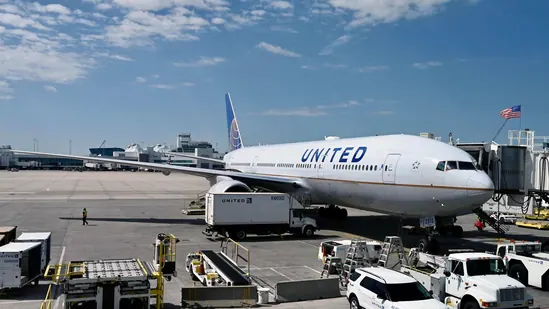
Bharatmorningnews.com – What happened on United Airlines flight 509 became a topic of immediate interest after a Boeing 767-400 en route from Rome to Newark was forced to make an emergency diversion to Shannon Airport in Ireland. The incident occurred on Saturday, July 11, when the crew identified a critical issue with one of the aircraft’s engines during the 10-hour transatlantic journey, prompting a sudden change in course.
Mid-Flight Emergency and Crew Response
The United Airlines flight 509, operated by a 24-year-old Boeing 767-400, departed Rome Fiumicino “Leonardo da Vinci” Airport at 1:36pm local time. Three hours into the flight, the plane began altering its route over the Atlantic Ocean, heading toward Shannon Airport. According to Aviation Herald, the pilots reported unusual vibrations in the right engine and an odd odor permeating the cabin, which signaled a potential mechanical failure. These symptoms prompted the crew to initiate the diversion procedure, prioritizing passenger safety over the original itinerary.
As the aircraft approached Shannon, the pilots coordinated with air traffic control to secure clearance for an emergency landing. The decision to divert was based on the severity of the engine issue, which could have escalated if left unaddressed. The right engine was described as vibrating but still functioning at idle, while the cabin’s strange smell suggested a possible fuel leak or other system anomaly. This event highlights the critical role of real-time monitoring in identifying and mitigating in-flight emergencies.
Shannon Airport and Emergency Protocols
The Boeing 767-400 touched down at Shannon Airport at 3:57pm, just over four hours after its initial departure. Upon landing, the plane taxied to the terminal with fire and rescue teams accompanying it to conduct a thorough inspection. The crew noted that the engine issue was manageable, but the aircraft was still evaluated to ensure no further complications arose. The emergency landing was executed smoothly, and all 227 passengers disembarked without any reported injuries.
Following the landing, United Airlines arranged for passengers to be accommodated at a nearby hotel and provided compensation for the disruption. The airline also confirmed that the flight’s diverted status was due to a maintenance inspection, as stated on its website. While the exact cause of the engine problem remains under investigation, the incident underscores the importance of contingency planning in air travel. The Boeing 767-400, a popular long-haul aircraft, is known for its reliability, making this emergency all the more notable.
Passenger Experiences and Aviation Safety
Passengers on United Airlines flight 509 described the situation as “unusual but calm” during the diversion. Many expressed gratitude for the crew’s quick response and the smooth landing process. One traveler shared, “We were informed of the issue early, and the crew kept us updated throughout the process. It was reassuring to know we were safe.” Such feedback reinforces the effectiveness of communication protocols during emergencies.
The incident also raises questions about the broader implications for aviation safety. With the Boeing 767-400 being a staple in many airline fleets, this emergency highlights the need for continuous maintenance checks and real-time monitoring systems. Experts suggest that engine vibrations and fuel odors are common indicators of potential failures, and timely intervention can prevent more severe outcomes. This case serves as a reminder of the critical balance between efficiency and safety in air travel.
Broader Context and Industry Trends
This emergency landing marks the second time this year that a transatlantic flight has diverted to Shannon Airport for engine-related issues. In May, a Virgin Atlantic flight from London to Jamaica also made an emergency landing there, indicating a pattern of similar incidents. Such occurrences are not uncommon in aviation, where engine malfunctions are a frequent cause of diversions, especially on long-haul routes. Shannon Airport’s role as a strategic diversion point is due to its location, allowing quick access to maintenance facilities and reducing the risk of extended delays.
The broader aviation industry is closely monitoring these events to identify any systemic trends. With the Boeing 767-400 having a long service history, its reliability is generally high, though aging aircraft can experience wear and tear over time. United Airlines’ response to the situation, including passenger support and transparent communication, aligns with best practices in crisis management. The airline has since stated that the aircraft will undergo further inspections to determine the cause of the issue and whether it can return to service.