
Videos: Seattle Police and FBI rescue several sex trafficking victims on Aurora Avenue
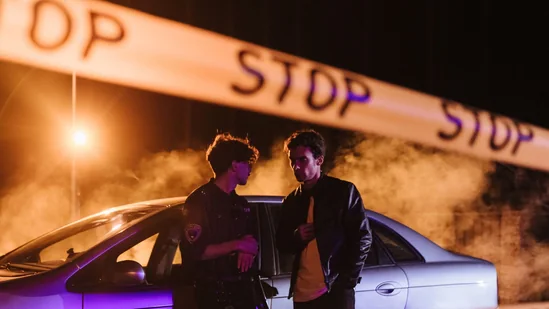
Seattle Police and FBI Rescue Sex Trafficking Victims on Aurora Avenue with Video Evidence
Bharatmorningnews.com – Videos – Seattle police and FBI agents recently executed a high-profile rescue mission on Aurora Avenue North, extracting multiple victims of sex trafficking from the bustling street area. The operation, captured on video, unfolded late into the evening and highlighted the ongoing battle against human trafficking in the city. Aurora Avenue has long been a focal point for criminal activity, with pimps engaging in territorial disputes that have sometimes escalated into violent confrontations. This coordinated effort underscores the commitment of law enforcement to address the issue of modern-day slavery in the region.
The rescue was extensively documented through video footage, which has since been shared with the public to raise awareness about the scale of the problem. Investigative reporter Katie Daviscourt provided real-time coverage of the operation, capturing the dramatic moments as law enforcement teams moved swiftly to free the victims. Her videos not only chronicled the immediate action but also revealed the broader context of the trafficking network operating in the area. A suspected pimp was seen shadowing the reporter during the coverage, indicating the presence of organized crime groups that remain active despite increased police scrutiny.
Officials emphasized that the operation was part of a broader initiative to combat sex trafficking along Aurora Avenue. The FBI and Seattle PD collaborated closely, leveraging intelligence gathered over several months to target the specific locations where victims were being held. The video evidence collected during the rescue has been instrumental in supporting legal cases against the traffickers. This method of using videos to document crimes ensures that the victims’ stories are preserved and presented to the court, enhancing the chances of successful prosecutions.
Operation Aurora: A Multi-Agency Approach to Human Trafficking
“The FBI and Seattle PD have successfully rescued several sex trafficking victims on Aurora Avenue, showcasing a unified response to the crisis,” stated a police spokesperson in a press release. The operation involved over 50 officers and agents working in tandem to secure the area and protect the victims. Videos from the scene were used as critical evidence in identifying the perpetrators and demonstrating the conditions under which the victims were kept.
During the operation, law enforcement teams faced challenges such as evading surveillance and ensuring the safety of the rescued individuals. The video footage revealed scenes of cramped living spaces, signs of physical abuse, and the strategic movements of the traffickers to avoid detection. These visuals provided a powerful narrative of the victims’ plight and served as a rallying point for advocates pushing for stricter anti-trafficking measures. The collaboration between agencies also highlighted the importance of video documentation in modern policing, allowing for a more transparent and evidence-based approach.
Authorities have since announced plans to increase surveillance along Aurora Avenue, using the videos as a blueprint for future operations. Seattle Police Chief Shon Barnes noted that the footage captured during the rescue will be reviewed to identify patterns and improve response strategies. “Videos are essential in understanding the dynamics of human trafficking and holding offenders accountable,” Barnes added. The operation has also prompted discussions about the need for more community outreach programs to support at-risk individuals and prevent trafficking before it escalates.
Mayor’s Plan to Strengthen Aurora Avenue Safety
Seattle Mayor Katie Wilson announced a series of street closures on June 11 as part of a strategy to target crime along Aurora Avenue. The closure of North 96th, 98th, 100th, and 102nd Streets for the summer months is intended to disrupt trafficking routes and reduce the area’s accessibility to criminal networks. Partial blockades on North 97th Street were also implemented to further limit movement and create a safer environment for residents and victims.
Wilson’s decision was informed by the recent videos showing the extent of trafficking activity on the avenue. “These videos have provided a clear picture of the challenges we face, and we are taking decisive action to protect our communities,” the mayor said. The city attorney’s office has pledged to investigate businesses, including hotels and restaurants, that may be complicit in trafficking operations. The move is expected to increase the visibility of law enforcement efforts and encourage the public to report suspicious activities, further bolstering the campaign against human trafficking.
Seattle Police Chief Shon Barnes reiterated that the rescue mission was a direct response to the growing concern over sex trafficking on Aurora Avenue. She highlighted the role of video evidence in confirming the presence of trafficking networks and the effectiveness of the joint operation. “We are committed to using videos as a tool to not only rescue victims but also to build a stronger case against those who exploit others,” Barnes explained. The success of the operation has also led to calls for expanding similar initiatives to other high-risk areas in the city.
As part of the broader anti-trafficking strategy, the city is investing in technology to monitor Aurora Avenue more effectively. This includes the installation of surveillance cameras and the use of drones to capture footage of potential trafficking hotspots. The videos obtained during the recent rescue mission will be analyzed to identify key locations and times when trafficking activities are most frequent. These insights will guide future operations, ensuring a more targeted and efficient response to the crisis.
The rescue on Aurora Avenue has sparked renewed interest in using video documentation to fight human trafficking. Advocates argue that such footage is not only crucial for investigations but also for educating the public about the realities of sex trafficking. By sharing the videos widely, authorities hope to generate empathy and support for victims, as well as to encourage more people to report crimes. The mission stands as a testament to the power of video in bringing attention to hidden injustices and driving change in the fight against exploitation.