
US air quality map: Alert issued for Philadelphia, Pittsburgh after Canadian, Minnesota wildfires: Code Purple activated
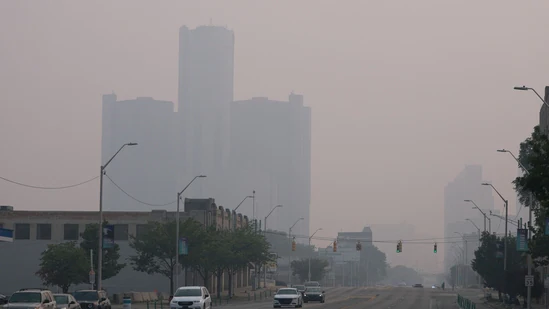
US Air Quality Alert: Philadelphia and Pittsburgh Face Code Purple Warning Amid Wildfires
Bharatmorningnews.com – The US air quality map has issued a critical Code Purple alert for Philadelphia and Pittsburgh, driven by smoke from Canadian and Minnesota wildfires. This development marks a significant shift in air quality conditions, with hazardous particulate matter levels expected to persist through Saturday. The alert underscores the interconnectedness of environmental events across borders, as smoke from blazes in Ontario and the northern U.S. states is now affecting major urban centers in the eastern region.
Impact on Air Quality and Public Health
According to the Pennsylvania Department of Environmental Protection (DEP), the Code Purple designation indicates that air quality is severely degraded, posing immediate health risks. The alert covers the entire state, with Allegheny County initially under a Code Maroon alert, the highest level, which could shift to Code Orange based on localized conditions. Residents are advised to minimize prolonged outdoor activities, especially during peak hours, to reduce exposure to harmful pollutants.
“Wildfire smoke contains fine particulate matter (PM2.5), carbon monoxide, and other toxic gases that can exacerbate respiratory issues and cardiovascular conditions,” noted Dr. Leah Lande, a pulmonologist at Lankenau Medical Center. “People with asthma, COPD, or heart disease should take extra precautions and stay indoors when possible.”
Smoke from the Canadian wildfires, which have been burning for weeks, is currently drifting southeastward, while Minnesota fires have intensified due to high temperatures and dry conditions. The National Weather Service reports that these fires will continue to influence regional air quality, with smoke settling over Pennsylvania and nearby areas. The US air quality map is updated hourly, allowing residents to track real-time changes and adjust their plans accordingly.
Health Advisories and Preventive Measures
Health officials recommend limiting outdoor exertion and sealing windows to keep pollutants out. In areas with poor air quality, using air purifiers or N95 masks can provide additional protection. The Philadelphia Health Department emphasizes that vulnerable groups, including children, the elderly, and individuals with preexisting conditions, should avoid outdoor activities during the alert period.
Historically, similar wildfire events have led to extreme air quality episodes in the past three years, with skies in Philadelphia turning orange and gray. These past incidents highlight the potential for prolonged exposure to smoke, which can lead to increased hospital visits and emergency room admissions. The current situation, however, is expected to be more severe due to the scale of the blazes and prevailing weather patterns.
Residents are encouraged to monitor the US air quality map regularly and check local health advisories. Schools and businesses may implement flexible schedules, and outdoor events could be postponed to ensure safety. While the Code Purple alert is in effect, the DEP is working with meteorologists to assess whether the smoke will clear by evening, offering some respite for the region.
As the smoke lingers, experts warn that the health impacts could extend beyond the immediate alert period. Long-term exposure to PM2.5 and ozone has been linked to chronic respiratory problems and reduced lung function. Public awareness campaigns are being ramped up to educate communities on how to protect themselves, including staying indoors, using air filters, and avoiding traffic-heavy areas where pollutants accumulate.
Meanwhile, the wildfires in Canada and Minnesota continue to burn at an alarming rate, driven by sustained high temperatures and strong winds. Firefighters are working tirelessly to contain the blazes, but the scale of the fires suggests that smoke will remain a concern for weeks. The US air quality map will remain a vital tool for tracking these developments and providing actionable data for residents and officials alike.
Environmental scientists are also analyzing the long-term effects of such events, noting that climate change is increasing the frequency and intensity of wildfires globally. This trend highlights the need for proactive measures to mitigate air quality risks, such as investing in green infrastructure and promoting cleaner energy solutions. The current Code Purple alert serves as a stark reminder of the delicate balance between natural disasters and urban air quality.
Regional Response and Future Outlook
Local governments are coordinating with environmental agencies to ensure timely communication and resource allocation. In Philadelphia, public transportation services have increased frequency to reduce reliance on personal vehicles, while Pittsburgh has urged residents to use indoor air quality monitoring tools. These efforts aim to minimize health risks and provide a clearer picture of the air quality situation.
Experts predict that the smoke will begin to disperse by Sunday, but air quality may remain elevated for several days. The US air quality map will continue to reflect these changes, helping residents make informed decisions. While the immediate threat is present, the situation also serves as a case study for how climate-driven events can impact air quality across vast distances, necessitating a unified approach to environmental monitoring and public health.
Residents are advised to keep indoor air quality systems running and to close doors and windows to prevent smoke infiltration. Schools and healthcare facilities are also preparing contingency plans, ensuring that students and patients are protected. The Code Purple alert has prompted a renewed focus on air quality management, with officials emphasizing the importance of real-time data and community engagement in mitigating health risks.
As the smoke clears, the region will likely see a temporary improvement in air quality. However, the continued presence of wildfires in Canada and Minnesota suggests that such alerts may become more frequent in the coming years. The US air quality map, therefore, remains an essential resource for tracking these environmental changes and safeguarding public health in the face of climate-related challenges.