
Pakistan PM Sharif warns of risk to economy amid renewed West Asia tensions
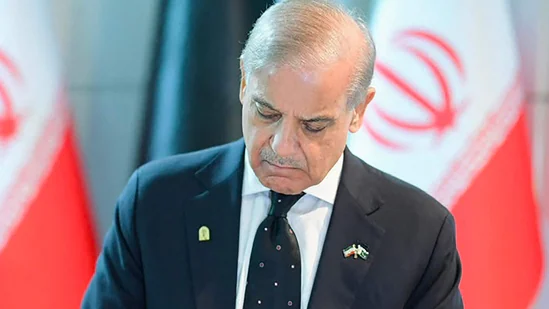
Pakistan PM Sharif Highlights Economic Concerns Amid Escalating West Asia Tensions
Bharatmorningnews.com – On Thursday, Pakistan’s Prime Minister Shehbaz Sharif emphasized the threat to the national economy posed by renewed conflicts in the West Asia region. The leader called for vigilance, urging officials to stay ready for emerging challenges linked to the ongoing instability.
Regional Tensions and Strategic Readiness
During a session focused on economic resilience, Sharif addressed the growing uncertainty caused by heightened tensions between the US and Iran. The meeting reviewed how these developments could influence Pakistan’s financial stability.
“Given the current regional uncertainties, full readiness must be upheld to manage any arising difficulties,” stated the Prime Minister’s office in a report.
Austerity Measures and Public Support
Sharif acknowledged the populace’s dedication to the earlier austerity measures, launched in March after the US-Iran conflict began in late February. He thanked citizens for their cooperation during this period.
“Just as the public supported prior cost-saving efforts, a national spirit of thrift should now be embraced,” he added.
The prime minister confirmed that the economy remains stable, with plans to develop a robust strategy for swift intervention if needed. He cited successful government tactics in managing fuel supply disruptions following the outbreak of hostilities in West Asia.
Fuel Subsidies and Provincial Coordination
Sharif praised the collective effort in conserving energy and petroleum resources, highlighting the government’s role in cushioning citizens from rising fuel costs. Subsidies were specifically noted as a key tool in this endeavor.
He also stressed the importance of provincial collaboration in addressing claims of fuel shortages, ensuring that artificial scarcity is eliminated through decisive action.
According to officials, sufficient petroleum reserves are currently stocked to meet national demands, with future availability secured through strategic planning.