
Israel groomed Ahmadinejad as potential future leader of Iran in secret regime-change plan: Report
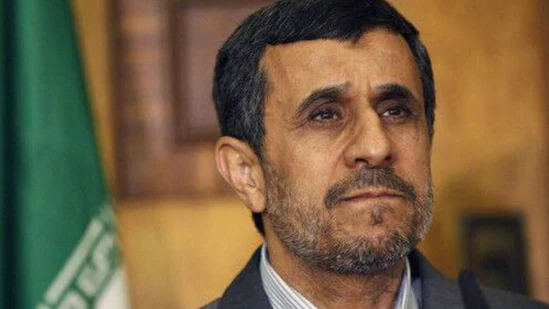
Israel Groomed Ahmadinejad as Potential Future Leader of Iran in Secret Regime-Change Plan: Report
Bharatmorningnews.com – Israel’s covert strategy to shape Iran’s political future has come under new scrutiny following a report that highlights its efforts to groom Mahmoud Ahmadinejad as a key figure in a regime-change initiative. According to sources cited by the New York Times, Israeli intelligence agencies worked behind the scenes to cultivate ties with Ahmadinejad, viewing him as a potential ally during a transition that could weaken Iran’s current leadership. This operation, which spanned several years, aimed to position Ahmadinejad as a reformist leader, leveraging his early career as a hardliner to later act as a bridge between Iran’s conservative establishment and the outside world.
Ambitious Plan Amid Rivalry
The report details how Israel’s intelligence services identified Ahmadinejad’s internal conflicts with Iran’s supreme leadership as an opportunity to influence the country’s trajectory. During his presidency from 2005 to 2013, Ahmadinejad was a vocal critic of Western powers, particularly Israel, and his anti-American rhetoric drew global attention. However, Israeli officials allegedly saw his disillusionment with the inner circle of Iranian leaders as a chance to steer the nation toward a more favorable political alignment. This strategy involved covert communications, diplomatic engagement, and strategic timing to amplify Ahmadinejad’s role in the potential shift.
“Ahmadinejad believed he could become a reformer if the regime collapsed,” stated an associate, as reported by the Times. This idea was seen as a match for Israel’s goal of fostering a leader who could challenge Iran’s nuclear ambitions and its adversarial stance toward Israel, according to the confidential accounts shared with the report.
From Hardliner to Potential Reformist
After leaving the presidency, Ahmadinejad’s public persona began to shift, aligning with Israel’s vision of him as a reformist. He openly criticized Iran’s security apparatus and corruption, while adopting a more moderate image by changing his style from the signature khaki outfits of his presidency to tailored suits. Additionally, he embraced cosmetic treatments and English language study, which were perceived as efforts to rebrand himself for a new political era. This transformation was not just symbolic; it reflected a calculated attempt to regain influence within Iran’s power structures and position himself as a leader who could navigate the complexities of international diplomacy.
The report suggests that Israel’s influence on Ahmadinejad was not limited to public appearances. Intelligence sources indicate that the agency provided strategic advice, including support for his domestic policies and efforts to mend relations with key Gulf allies. These actions were part of a broader plan to create a scenario where Ahmadinejad could act as a mediator or leader during a period of instability in Iran, potentially reducing the threat posed by the current regime.
Strategic Timing and Context
The timing of Israel’s engagement with Ahmadinejad was deliberate, occurring during a period of heightened tension between Iran and the West. A pivotal moment came in 2012 when Mossad director David Barnea met with Ahmadinejad in Budapest, marking a critical step in the covert operation. The meeting reportedly confirmed their connection and solidified Israel’s belief that Ahmadinejad could serve as a catalyst for change. Shortly afterward, the CIA was informed of the link, signaling a coordinated effort between Israeli and American intelligence to support this strategy.
Throughout his second term, Ahmadinejad’s relationship with Iran’s leadership remained strained. He clashed with figures like Supreme Leader Ali Khamenei and the Revolutionary Guards over decisions such as the removal of intelligence minister Gholam-Hossein Mohseni-Eje’i. These conflicts, combined with his growing international profile, made him a strategic target for Israel’s regime-change ambitions. Despite his efforts to return to power, his bids in subsequent elections were rejected by the Guardian Council, leaving him without a formal political platform but still a key figure in Iran’s political discourse.
Experts have noted that Israel’s approach to Ahmadinejad reflects a broader trend of using regional figures to advance geopolitical goals. By aligning with a leader who once symbolized Iran’s defiance, Israel aimed to create a more flexible political landscape, one where reformist voices could challenge the status quo. This plan was further bolstered by Ahmadine