
Hopes of Iran-US deal up again as Araghchi, moderator Pakistan show optimism: ‘Never been closer’
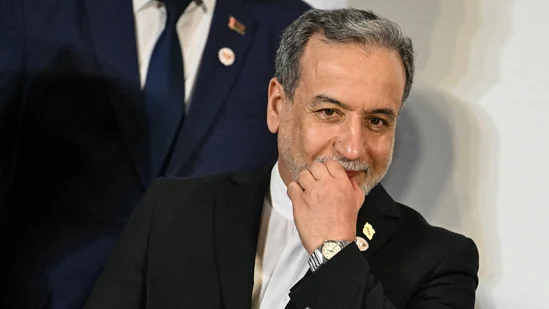
Hopes of Iran-US Deal Renewed Amid Optimistic Statements from Key Figures
Bharatmorningnews.com – Following renewed optimism from Iranian and Pakistani officials, the long-standing hopes for a U.S.-Iran peace deal have seen a resurgence. Iranian Foreign Minister Abbas Araghchi recently expressed cautious optimism on social media, reaffirming the potential for a breakthrough, while Pakistani Prime Minister Shehbaz Sharif highlighted the proximity of an agreement. These statements, made just days after President Donald Trump dismissed media reports about the deal as misleading, signal a shift in the ongoing diplomatic landscape.
The Role of Pakistan as a Mediator
Pakistan, often seen as a critical intermediary in U.S.-Iran relations, has reiterated its commitment to facilitating dialogue. Sharif’s comments underscored the country’s active role in brokering discussions, particularly in the wake of Trump’s accusations that Iran had misrepresented the terms of the agreement. The Islamabad Memorandum of Understanding, a pivotal document in the current talks, has been described as the closest the two nations have come to resolving their differences since the previous truce in the region.
“The Iran-US deal has never been this close as it is now,” Sharif emphasized, underscoring the strategic importance of Pakistan in bridging the gap between the two nations. His remarks aligned with Araghchi’s assertions that the process was nearing completion, though both officials urged media outlets to avoid speculative interpretations of the agreement’s details until finalized.
Reviving a Historic Agreement: The Path Forward
The renewed push for a peace deal comes after months of escalating tensions, including a recent drone strike near the Strait of Hormuz that killed three Indian crew members. This incident, which Trump linked to Iran’s alleged involvement, had temporarily derailed diplomatic efforts. However, with both sides now showing a willingness to revisit negotiations, the possibility of a lasting accord has reemerged.
The proposed agreement, which was once the Joint Comprehensive Plan of Action (JCPOA), aims to address core issues such as nuclear enrichment, sanctions relief, and regional stability. According to U.S. officials, the current framework includes provisions for Iran to halt nuclear advancements in exchange for lifting economic restrictions and releasing frozen assets. These terms, though still under discussion, have been hailed as a significant step toward reconciliation.
“We are closer than ever to achieving a comprehensive solution,” Araghchi stated, reflecting Iran’s determination to finalize the deal. The official said the memorandum would detail a phased approach to the agreement, with clear milestones for both parties to meet. This structured plan is intended to build trust and ensure accountability in the long-term commitment to peace.
Key Provisions and Regional Implications
One of the most anticipated aspects of the deal is the reopening of the Strait of Hormuz, a vital waterway for global oil trade. The agreement would also include a timeline for Iran to reduce its enriched uranium stockpile, a move that could curb concerns about its nuclear capabilities. Additionally, the accord seeks to establish a framework for future nuclear program negotiations, ensuring transparency and cooperation between the two nations.
Iran’s commitment to halting financial support for militant groups, such as Hezbollah and Hamas, is another key component. This provision aims to reduce regional conflicts and strengthen the deal’s credibility. However, challenges remain, as U.S. officials continue to push for Iran’s compliance with stricter conditions, including verification mechanisms for its nuclear activities.
With the Iran-US deal gaining momentum, the international community is closely watching the progress. The success of these talks could mark a turning point in a relationship strained by years of conflict and mistrust. As the process unfolds, the focus will remain on balancing Iran’s security concerns with U.S. strategic interests, ensuring that the agreement delivers tangible benefits for both sides.