
Devas-Antrix case: Ninth Circuit upholds $1.2 billion US judgment, leaves India annulment unresolved
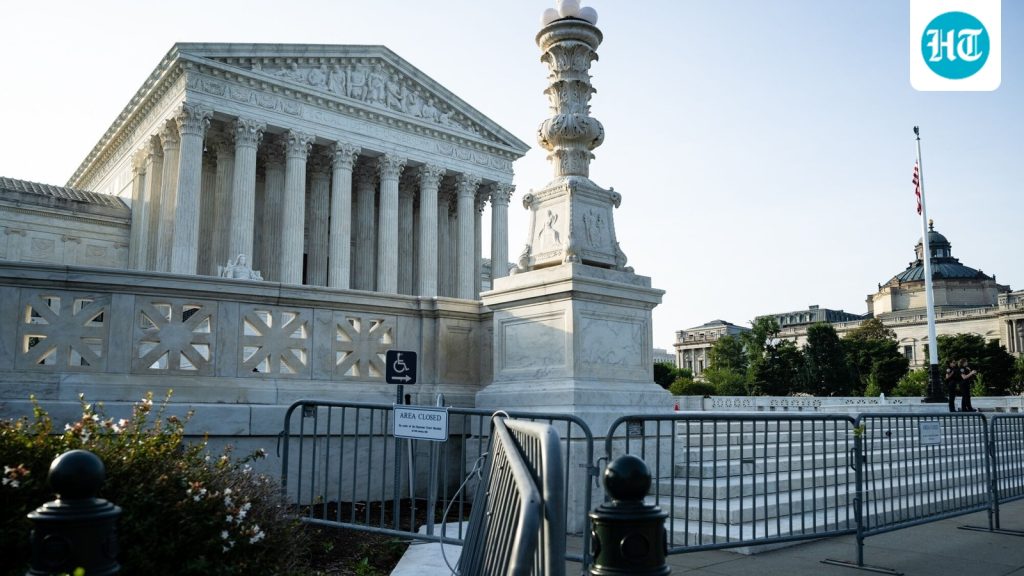
Ninth Circuit Upholds $1.2 Billion Devas Antrix Case Judgment
Bharatmorningnews.com – The US Court of Appeals for the Ninth Circuit has upheld key portions of a US court judgment totaling approximately $1.2 billion against Antrix Corp., the commercial arm of the Indian space agency, in the long-running Devas Antrix case. The court also rejected Antrix’s arguments that the matter should be heard in India and that US courts lacked jurisdiction over the company. However, the ruling does not finally settle whether India’s decision to set aside the original arbitration award will affect enforcement of the US judgment. That question has now gone back to the district court for a decision.
Background of the Devas Antrix Case
The money involved comes from a 2015 arbitration award in favour of Devas Multimedia Private Ltd. The International Chamber of Commerce tribunal awarded Devas $562.5 million in damages after finding that Antrix had wrongfully ended their agreement.
Interest later increased the amount significantly. When the US District Court for the Western District of Washington confirmed the award in 2020, it entered a judgment of about $1.293 billion against Antrix. The US Supreme Court has also described the judgment as about $1.29 billion.
So, the two figures refer to different stages of the case: $562.5 million was the original damages award, while about $1.2 billion is the US court judgment after interest.
The Ninth Circuit has now upheld the confirmation of the arbitration award. This means the judgment itself has not been thrown out by the appeals court.
Antrix argued that the US case should be dismissed because India was a better place to deal with the dispute. The Ninth Circuit rejected that position, saying the forum non conveniens rule does not apply to a case seeking confirmation of a foreign arbitration award under the New York Convention.
The court also rejected Antrix’s challenge to US jurisdiction. The Foreign Sovereign Immunities Act provides an exception for certain arbitration-related cases involving foreign state entities. The ruling found that the exception applied here and that exercising personal jurisdiction over Antrix was proper.
That issue had become important after the US Supreme Court’s 2025 ruling in the same dispute. The Supreme Court held that personal jurisdiction under the Foreign Sovereign Immunities Act exists when an immunity exception applies and the foreign entity has been properly served. It sent the case back to the Ninth Circuit to consider Antrix’s remaining arguments.
The Ninth Circuit also rejected Antrix’s claim that the arbitration process did not follow the agreement between the two companies. It found no sufficient ground under the New York Convention to refuse confirmation of the award.
Indian courts set aside the arbitration award, with the process becoming final after the Supreme Court of India declined review in October 2023. Antrix argued that the US courts should therefore no longer enforce the award.
The Ninth Circuit did not make a final decision on that point. Instead, it sent the issue back to the district court to decide what effect, if any, the Indian annulment should have on the existing US judgment.
That distinction matters. The appeals court has upheld the US confirmation of the award and has not erased the roughly $1.2 billion judgment. But it has also left open whether the Indian court decision should eventually change what can be enforced in the US.
What Happens Next in the Devas Antrix Case?
The Ninth Circuit separately upheld the registration of the judgment by Devas Multimedia America Inc. in Virginia, where assets connected to Antrix had been identified. However, it rejected nationwide registration and also found that Devas shareholder companies did not have standing to register the judgment themselves.
The dispute began with a 2005 agreement under which Antrix was to provide satellite capacity to Devas. Antrix ended the deal in 2011, leading to the international arbitration that produced the $562.5 million award in 2015.
Frequently Asked Questions
What is the Devas Antrix case about?
The Devas Antrix case involves a dispute between Devas Multimedia and Antrix Corp., India’s commercial satellite arm. Antrix terminated a 2005 satellite capacity agreement with Devas in 2011, leading to international arbitration that awarded Devas $562.5 million in 2015.
How much is the US judgment in the Devas Antrix case?
The US District Court entered a judgment of approximately $1.293 billion against Antrix in 2020, which includes interest on the original $562.5 million arbitration award. The Ninth Circuit upheld this judgment in its recent ruling.
Has India annulled the arbitration award?
Yes, Indian courts set aside the arbitration award, with the process becoming final after the Supreme Court of India declined review in October 2023. However, the US courts have not yet determined how this affects enforcement of the US judgment.
Where can Devas collect assets under the US judgment?
The Ninth Circuit upheld the registration of the judgment in Virginia, where assets connected to Antrix had been identified. However, nationwide registration was rejected.