
Congressman Shri Thanedar loses Democrat primary from Michigan
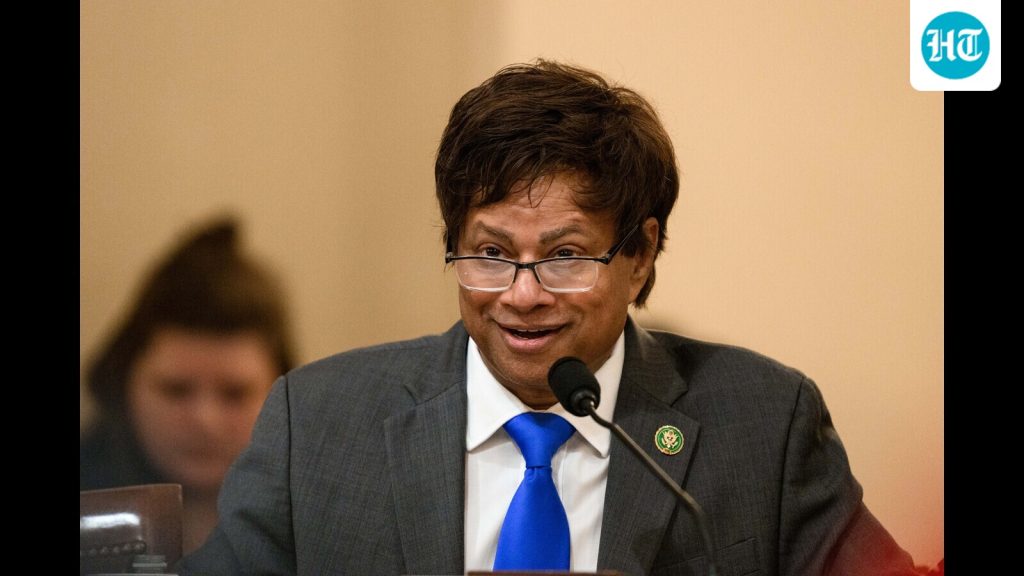
Michigan’s Shri Thanedar Falls to Donovan McKinney in Democratic Primary
Bharatmorningnews.com – Congressman Shri Thanedar loses Democrat primary race in a significant upset that reshapes Michigan’s political landscape. The Indian-American lawmaker faced Donovan McKinney, a democratic socialist challenger, in what proved to be a nail-biting contest. McKinney ultimately captured 51.9 percent of the vote, narrowly surpassing Thanedar’s 48.1 percent share. This outcome means McKinney will represent Michigan’s 13th congressional district as the Democratic nominee in November’s general election.
A Double Blow for Indian-American Representation
The primary defeat marks a challenging moment for Indian-American political figures nationwide. This loss follows closely on the heels of Congressman Raja Krishnamoorthi’s decision to step down from the House after an unsuccessful bid for the US Senate in Illinois. Together, these developments signal a transition period for the “Samosa Caucus,” the informal group of Indian-American lawmakers in Congress.
Thanedar’s departure coincides with broader shifts within Democratic politics. Younger, progressive candidates have been steadily unseating veteran incumbents across several states. Pennsylvania, Colorado, and New York have all witnessed similar primary upsets where established politicians fell to fresh faces with strong grassroots support. The American electoral system requires candidates to win their party’s nomination before competing against Republicans and independents in the fall.
Thanedar’s Tenure and Political Challenges
Since taking office in 2022, Thanedar distinguished himself through aggressive impeachment proceedings targeting President Donald Trump. The two politicians frequently clashed on Twitter and other social media platforms, drawing national attention to their disagreements. At 71 years old, Thanedar was one of the oldest members of the House, which raised questions among some colleagues about his ability to navigate complex legislative processes effectively.
His district encompasses Detroit and surrounding neighborhoods with substantial African-American populations and higher-than-average poverty rates. Some critics argued that Thanedar’s wealth from the chemical industry gave him an advantage in fundraising and campaigning compared to less affluent opponents. Others pointed out that his financial ties to the American Israeli Political Action Committee created tensions with certain Democratic voters who held strong opinions about Middle East policy.
Within the party, prominent African-American leaders pushed for a candidate whose background more closely reflected the district’s demographics. This demographic consideration played a crucial role in voters’ decisions during the primary contest.
McKinney’s Campaign and Future Prospects
Donovan McKinney brings considerable experience to the House race. As a Michigan state assembly member, he has built relationships with progressive organizations and community groups throughout the region. His campaign successfully combined local grassroots enthusiasm with endorsements from national figures like Senator Bernie Sanders, positioning him as a viable alternative to the incumbent.
With Michigan leaning Democratic in presidential and congressional elections, McKinney enters the general election with favorable odds. His platform emphasizes economic justice, healthcare access, and education reform—issues that resonate strongly with voters in the Detroit metropolitan area.
What This Means for the Samosa Caucus
Thanedar’s exit reduces the Indian-American caucus by two seats when the new Congress begins in January. The remaining four members—Ami Bera, Pramila Jayapal, Suhas Subramanyam, and Ro Khanna—are expected to hold their seats after November’s elections. Additionally, Democrat Amish Shah could join the group if he wins Arizona’s 1st Congressional district race, potentially restoring the caucus to six members.
The evolving composition of the Samosa Caucus reflects changing demographics and political priorities within the Indian-American community. Younger lawmakers like Subramanyam and Shah bring different perspectives compared to veteran members like Bera and Jayapal.
Frequently Asked Questions
When is the general election for Michigan’s 13th district? The general election will take place on November 5, 2024, when voters will choose between Donovan McKinney and the Republican nominee.
How long did Shri Thanedar serve in Congress? Thanedar served one term, having been elected in 2022 and taking office in January 2023.
What is the Samosa Caucus? The Samosa Caucus is an informal group of Indian-American members of Congress who work together on issues affecting the Indian-American community and India-US relations.
Who are the remaining Indian-American members of Congress? The current members include Ami Bera (California), Pramila Jayapal (Washington), Suhas Subramanyam (Virginia), and Ro Khanna (California). Amish Shah (Arizona) may join if he wins his primary.
What were the key issues in Thanedar’s primary race? Major topics included demographic representation, Thanedar’s wealth and AIPAC connections, his age and legislative effectiveness, and progressive policy positions.
Shashank Mattoo serves as the Washington DC-based US Correspondent for Hindustan Times. His reporting focuses on the Trump administration, bilateral India-US relations, and American strategies toward South Asia and the Indo-Pacific region.