
Spain lose their identity, stray from blueprint of success with baffling tactics before turning to Yamal
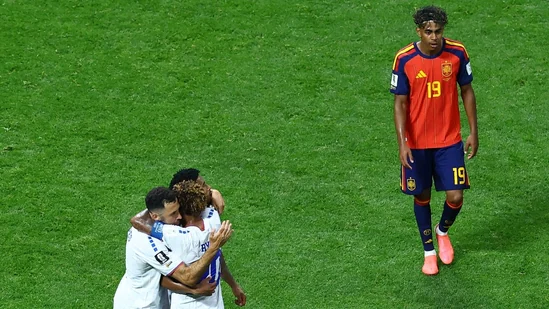
Spain Lose Identity, Stray from Blueprint of Success: Yamal Steals Victory in World Cup Stalemate
Bharatmorningnews.com – Spain’s 2026 FIFA World Cup campaign began with a shock as the nation’s team, once a dominant force in global football, found themselves in a 0-0 draw against Cape Verde. The result was a stark departure from their established identity, which had long been defined by technical precision and fluid attacking play. This early setback raised eyebrows, with analysts questioning whether Spain had strayed from the tactical blueprint that led them to recent triumphs. Despite their star-studded squad and possession dominance, the team’s inability to convert chances highlighted a worrying shift in their approach.
The Tactical Muddle in La Roja’s Opening Match
Cape Verde’s compact defense and disciplined shape disrupted Spain’s usual rhythm, forcing the hosts to labor for breakthroughs. The island nation’s goalkeeper, Vozinha, played a pivotal role in the stalemate, making crucial saves and maintaining composure under pressure. His performance not only secured a historic result but also underscored the importance of unity and preparation in underdog victories. Spain’s attack, typically sharp and incisive, seemed hesitant, with players struggling to find rhythm against a well-organized opponent.
Why Spain’s Identity Was Lost in the Opening Game
Spain’s tactical missteps were evident from the start, as they appeared disjointed and lacking urgency. The team’s reliance on possession was overshadowed by a lack of attacking intent, with passes often missing their mark. This disjointedness contrasted sharply with their Euro 2024 success, where creativity and calculated risks had been key. Critics pointed to a regression in Spain’s gameplay, with the nation’s team straying from the identity that had made them a perennial powerhouse.
Also Read – Morocco disaster is a wake-up call for Brazil: Without Neymar, the Selecao look hopeless
The benching of Lamine Yamal added to the growing concerns. While his recent injury was a valid reason, other choices like Ferran Torres’ placement on the wing seemed less strategic. Spain’s previous success depended on the threat posed by their wingers, who had historically stretched defenses and created space for midfielders. Against Cape Verde, this balance was missing, leaving the team’s attack predictable and less dynamic. Meanwhile, Gavi’s inconsistent form this season raised questions about his role in the starting XI, further complicating Spain’s midfield depth.
Spain’s most glaring issue was their hesitancy to take bold risks. While Pedri’s close control occasionally disrupted Cape Verde’s defense, the team as a whole lacked the confidence to capitalize on opportunities. Ferran Torres and Gavi pushed forward, but their efforts lacked the sharpness needed to break through. This cautious approach, combined with the absence of Yamal, left Spain’s attack struggling to find its rhythm. However, the introduction of the young forward in the 71st minute brought a renewed sense of purpose, altering the game’s trajectory.
Yamal’s Impact: A Game-Changer for Spain
Lamine Yamal’s entrance marked a turning point in the match. In just 20 minutes, the 18-year-old forward executed five successful dribbles, more than any other player on the pitch. His aggressive style and ability to exploit gaps in defense injected energy into Spain’s attack, forcing Cape Verde to retreat deeper and concede space. The game stats further illustrated this revival: Spain controlled 74% of possession, yet Cape Verde committed only one foul, setting a record for fewest fouls in a World Cup game since 1966. This calm execution proved that preparation and unity could overcome even the most established teams.
Spain’s journey from a disjointed start to a renewed sense of purpose underscores the fragility of their identity. The team, which had strayed from their traditional strengths, now faces the challenge of regaining their tactical edge. With Yamal’s return, there is hope that Spain can rediscover the creativity and boldness that had once defined them. Yet, the early setbacks serve as a reminder that maintaining a consistent blueprint of success requires more than just individual brilliance—it demands collective cohesion and strategic clarity.