
Glasgow CWG: Despite axed sports, India hold their top-five ground
India Maintains Elite Status at Glasgow Commonwealth Games
Bharatmorningnews.com – Before the new millennium, India had not secured a position among the five leading nations at the Commonwealth Games since the 1998 Kuala Lumpur tournament. Consequently, securing fourth place in the 2026 Glasgow medal standings feels entirely natural for the Indian delegation.
What makes this achievement particularly remarkable is that Glasgow featured only ten sports—a format that nearly failed to materialize before a final-minute rescue effort. With traditional Indian powerhouse disciplines largely removed from the program, the contingent’s resilience shone through. Accumulating 39 total medals, comprising 13 gold, 17 silver, and 9 bronze, demonstrated India’s ability to compete at the highest level despite the reduced sporting landscape.
A Foundation for Future Success
This performance sets an optimistic tone for the 2030 Commonwealth Games, which will be hosted in Ahmedabad. Indian athletes will have the advantage of competing on home soil, potentially enabling a more substantial medal haul than previous editions.
Following the 2010 New Delhi Games, where host nation India surpassed 100 medals, subsequent performances remained within the 60 to 70 medal range across three consecutive tournaments. The 2022 Birmingham results were already impressive considering shooting—the sport responsible for India’s greatest CWG success—had been eliminated from the program.
Glasgow’s achievement stands even higher, as numerous sports that accounted for nearly half of India’s 2022 medal count were absent. Wrestling contributed 12 medals previously, while table tennis added 7, badminton 6, squash 2, hockey 2, and cricket 1.
Unexpected Sources of Excellence
India avoided a significant decline through strong finishes in the competition’s closing days and substantial contributions from para athletes, particularly in athletics. Weightlifting, traditionally one of India’s most reliable medal producers, saw its output decrease from 10 medals and 3 gold in 2022 to 8 medals and 1 gold in 2026. Yet other disciplines compensated effectively.
Boxing emerged as a standout performer, delivering exceptional results despite the tournament’s relatively lower competitive tier. Where boxers won three gold medals each in 2018 and 2022, they secured seven in Glasgow—representing half of India’s entire gold medal collection. Female athletes particularly excelled, capturing eight gold medals compared to five for men, with Indian women claiming five of the seven available boxing titles.
These boxing achievements will receive proper evaluation at the upcoming Asian Games, which will provide clearer insight into India’s competitive standing heading toward the 2028 Los Angeles Olympics.
Track and Field Breakthroughs
Scotstoun Stadium in Glasgow hosted more Indian podium finishers than any other venue. India’s athletics team doubled its medal count from Birmingham’s eight to Glasgow’s sixteen. Notably, this total included six para athletics medals, all of which were gold—a significant improvement over previous editions.
While no able-bodied athletics champion emerged (India had one each in 2022, 2018, and 2014), the double-digit medal tally confirms sustained progress in Indian track and field, which continues to maintain competitive relevance at the Commonwealth level.
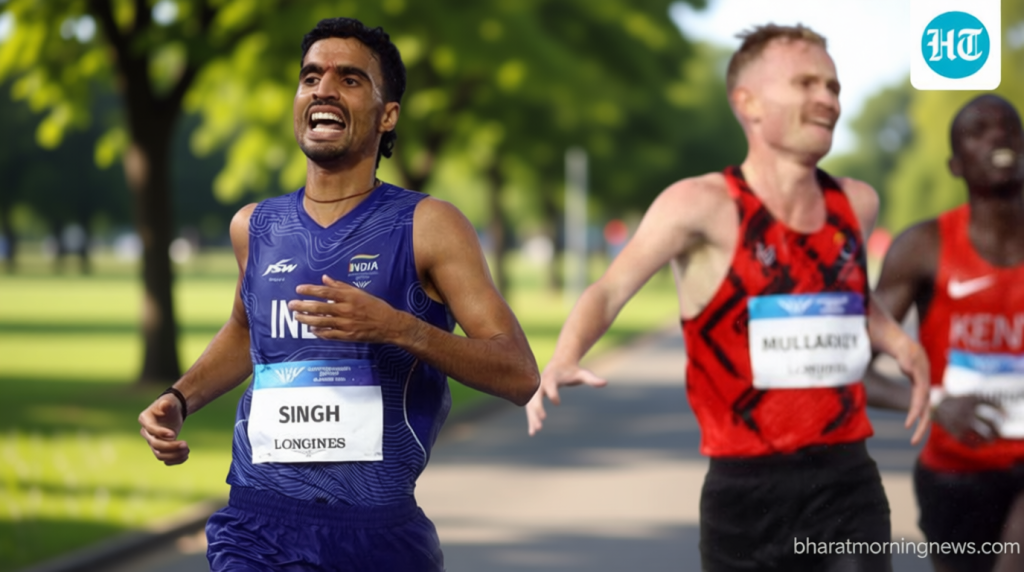
Gulveer Singh and Tejaswin Shankar exemplified this advancement by achieving milestones never before reached by Indian distance and field athletes. Following Avinash Sable’s 3,000m steeplechase silver in Birmingham, which ended a prolonged Kenyan dominance, Gulveer’s 5,000-10,000m double in Glasgow established new territory for Indian long-distance running. He became the first Indian to win two athletics medals within a single Commonwealth Games edition.
Tejaswin, who earned a high jump bronze in Birmingham, added another medal in a completely different discipline at Glasgow. Competing with inflamed patellar tendonitis, he not only completed the demanding decathlon but secured bronze—the first Indian medal ever in this event.
Yashvir Singh’s bronze, complementing Neeraj Chopra’s silver, highlighted India’s growing depth in javelin throw. For the first time in Commonwealth Games history, two Indian athletes stood on the podium in the same event.
Judo’s Remarkable Rise
Perhaps the most unexpected success came from judo. Asmita Dey and Harsh Singh delivered gold medals that propelled Indian judo to unprecedented heights at these Games. Their achievements proved even more impressive given the sport’s ongoing administrative challenges and doping controversies within India. Judo emerged as the tournament’s most compelling narrative.
While the previous Commonwealth Games produced its own surprise stories, Glasgow’s results suggest India has developed genuine depth across multiple disciplines—ensuring continued competitiveness regardless of which sports remain on the program.
Related Reading
Frequently Asked Questions
What is Glasgow CWG?
Glasgow CWG is the main topic of this guide. The article explains the context, practical details, and next steps readers should understand.
Why does Glasgow CWG matter?
Glasgow CWG matters because readers are looking for a useful answer, not just a short summary. Good content should match search intent and help them decide what to do next.