
Argentina President Javier Milei reveals superstition behind not attending World Cup final vs Spain
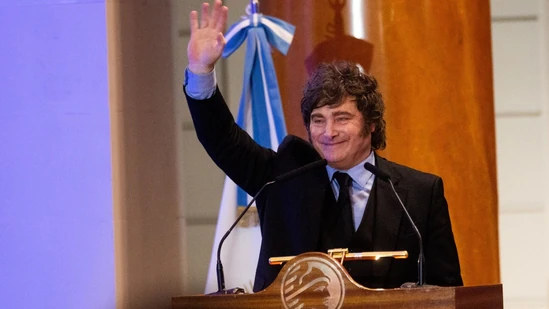
Argentina President Javier Milei’s Superstition Keeps Him Out of World Cup Final
Bharatmorningnews.com – Argentina President Javier Milei has shared the reason for his absence from Sunday’s FIFA World Cup final against Spain, revealing that his decision stems from a deeply personal superstition. Rather than joining the thousands of fans in New Jersey, Milei will watch the match from his home in Buenos Aires, a practice he has maintained for all of Argentina’s previous seven games in the tournament. His choice is based on the belief that consistency in his rituals has contributed to the team’s success, and he is determined to keep them unchanged even as they aim for a second consecutive title.
Superstition as a Cultural Pillar in Argentine Football
Superstition plays a significant role in Argentina’s football culture, often influencing the behavior of both players and fans. Milei’s decision to stay home is part of a broader tradition of “cábalas” — rituals believed to bring luck or ward off bad fortune. These practices, which vary widely, reflect the nation’s emotional investment in the sport. For example, some fans carry a small talisman into the stadium, while others avoid eating certain foods before matches. The notion that these actions can sway the outcome of a game is a common thread in Argentine football folklore.
“No way,” Milei said when asked if he’d travel to New Jersey for Sunday’s game, alongside U.S. President Donald Trump and FIFA president Gianni Infantino. He added, “I’ll stay in Olivos, watching from home.”
Milei’s adherence to this ritual is not unique to him. Many Argentines, including supporters and players, follow their own traditions. Some stick to the same outfit for every match, while others avoid washing their national team jerseys until the tournament concludes. These habits are often passed down through generations, reinforcing a sense of unity and shared belief in the team’s destiny. Even the act of watching from home has become a symbol of national pride, with Milei’s presence in Olivos serving as a focal point for fans who want to feel connected to the game.
The Psychological Weight of Superstition in High-Stakes Matches
The psychological impact of superstition in high-pressure situations like the World Cup final cannot be overstated. Milei’s choice to remain at home is rooted in the idea that his presence might disrupt the team’s momentum, a fear shared by many athletes. This mindset is especially prevalent in Argentina, where the pressure to win is immense. The president’s ritual, while seemingly minor, aligns with a cultural expectation that even the smallest actions can influence the outcome of a historic match.
Superstitions also play a role in the team’s preparation. Milei’s decision to wear the same thick jacket from an oil company throughout the campaign has become a notable habit. He explained that the jacket was removed when Argentina scored against Egypt and reattached afterward, believing it had become a symbol of good luck. This practice underscores the idea that personal rituals can become a source of comfort and confidence for both individuals and teams, especially during moments of intense competition.
As the World Cup final approaches, the focus of Milei’s superstition extends beyond his own routine. His absence is seen as a strategic move, ensuring the team’s focus remains undisturbed by external distractions. This approach mirrors the behavior of other athletes who avoid public scrutiny before a crucial game, prioritizing mental clarity and preparation. The president’s dedication to his tradition highlights the intersection of personal belief and national ambition in the world of football.
Argentina’s journey to the final has been marked by a blend of talent, teamwork, and cultural symbolism. Milei’s decision to stay home, while unusual for a leader, resonates with the public’s deep connection to the sport. His absence has sparked conversations about how leadership styles can influence a nation’s sporting identity, with some viewing his approach as a sign of trust in the team’s ability to succeed independently. Others see it as a way to amplify the drama of the final, knowing that the president’s presence might have altered the atmosphere.
Legacy of Presidential Influence on National Teams
Historically, Argentine presidents have played a pivotal role in shaping the country’s football narrative. Milei’s decision to avoid the final echoes a pattern seen in previous administrations. For instance, during the 1990 World Cup, then-President Carlos Menem was accused of jinxing the team after visiting the squad before a 1-0 loss to Cameroon. This incident led to a tradition where leaders opted to stay away from high-stakes matches to avoid disrupting the team’s luck.
While Milei’s absence may seem like a break from tradition, it also reflects modern interpretations of leadership in sports. His commitment to his superstition highlights how even in an era of global connectivity, personal rituals hold sway. The World Cup final, being the pinnacle of the tournament, demands that all distractions be minimized, and Milei’s choice aligns with this philosophy. As Argentina seeks to claim another championship, his presence at home becomes a silent endorsement of the team’s resilience and adaptability.
Milei’s explanation of his superstition adds a human element to the story, making it more relatable to readers. By revealing his belief in the jacket’s influence, he bridges the gap between political leadership and athletic devotion. This act of transparency not only reinforces his connection to the nation’s passion for football but also invites broader discussions about the role of belief systems in sports. Whether it’s a jacket, an outfit, or a specific location, these rituals are more than just habits—they are a testament to the power of faith in victory.