
Why Kalyan Banerjee has given an ultimatum to TMC supremo Mamata
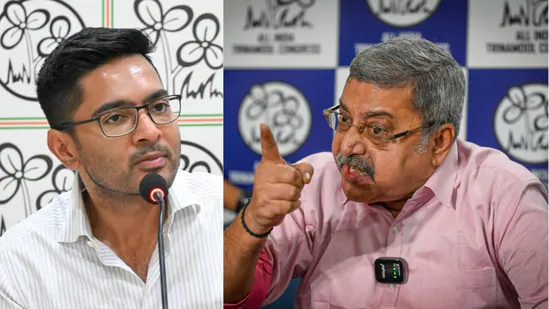
Kalyan Banerjee’s Ultimatum to TMC Leader Mamata Banerjee Sparks Political Debate
Bharatmorningnews.com – Kalyan Banerjee has given an ultimatum to TMC supremo Mamata Banerjee, signaling a major internal shift within the ruling party. The seasoned leader, a four-time MP from Serampore and a long-time confidant of Mamata since the TMC’s founding in 1998, is now positioning himself as a key figure challenging the growing influence of her nephew, Abhishek Banerjee. This development has raised questions about the balance of power within the party and the reasons behind Banerjee’s bold move.
The Growing Influence of Abhishek Banerjee
Banerjee’s ultimatum appears to be a direct response to Abhishek’s increasing role in TMC affairs. The nephew of the party’s leader has been gaining traction in recent months, particularly after the TMC’s setback in the recent Assembly elections. Critics argue that Abhishek’s decisions, including the handling of a legal controversy involving forged MLA signatures, have created divisions among senior leaders. Banerjee, who has been a trusted ally for decades, is now asserting his autonomy, stating he will not remain silent on matters of governance and internal politics.
His remarks have been interpreted as a clear message to Mamata: the party must choose between her and her nephew. “Why Kalyan Banerjee has given this ultimatum is rooted in his frustration with Abhishek’s unchecked authority,” said political analysts. The issue gained prominence when some legislators accused the TMC of submitting documents without their consent, raising concerns about transparency and democratic processes within the party. Banerjee’s withdrawal from these cases highlights his determination to distance himself from what he perceives as a power grab.
Historical Context and Loyalty Tested
This is not the first time Banerjee has faced a leadership challenge. In 2025, he had a heated clash with Mahua Moitra, which escalated into personal attacks, prompting Mamata to intervene and ask him to resign as the party’s Lok Sabha chief whip. Despite that, Banerjee has remained a loyal supporter of Mamata, but his current stance suggests a test of loyalty over ideology. The ultimatum reflects his belief that the party’s direction is now being shaped by Abhishek’s influence rather than its original principles.
Political observers note that Banerjee’s public challenge could impact the TMC’s stability. His emphasis on personal accountability and democratic procedures has resonated with some members, while others fear it may create a rift. The situation has also drawn attention to the broader question of how power is distributed within the party, especially as Mamata seeks to consolidate her leadership in the face of evolving political landscapes.
Impact on Party Stability and Future Strategies
As the TMC navigates this internal conflict, the implications for its stability and future direction are significant. Banerjee’s ultimatum underscores a growing concern about the centralization of power under Mamata and her family. The legal controversy involving forged MLA signatures has become a focal point, with Banerjee accusing Abhishek of using it to undermine senior leaders. His statement, “I have quit all cases related to Banerjee,” illustrates his resolve to take a stand, even if it means stepping away from key decision-making roles.
Analysts suggest that Banerjee’s actions are part of a larger effort to reassert his position within the party. His 45 years of legal experience have earned him respect as a senior advocate, and his confidence in his own standing is evident. The ultimatum, therefore, is not just a personal defiance but a strategic move to ensure that the TMC’s leadership reflects a broader consensus. Whether this will lead to a resolution or a deeper split remains to be seen, as the party leaders weigh their options in the face of shifting dynamics.
“Why Kalyan Banerjee has given an ultimatum is a reflection of his frustration with the erosion of democratic processes within the TMC,” remarked a political strategist. “He is challenging Mamata to choose between her traditional allies and her nephew’s growing authority.”
Political Repercussions and Broader Implications
Banerjee’s ultimatum has not only stirred internal debates but also attracted external attention. His public criticism of Abhishek’s actions has been amplified by the recent comments from Prime Minister Narendra Modi, who jokingly remarked on Banerjee’s limited speaking time in Bengal. This moment, though lighthearted, highlighted the tension between Banerjee and the party leadership. The political repercussions of his stance could influence the TMC’s approach to governance and its ability to maintain unity in the coming months.
Despite the risk of division, Banerjee’s decision to challenge the status quo may ultimately strengthen the party’s governance by promoting accountability. His move is seen as a test of loyalty, with implications for the TMC’s future strategies. As the party continues to navigate this internal conflict, the focus remains on how Mamata will respond to Banerjee’s ultimatum, and whether this will mark a turning point in the TMC’s political trajectory.