
US visa update: Could Trump’s expanded social media screening mean greater scrutiny for Indian applicants?
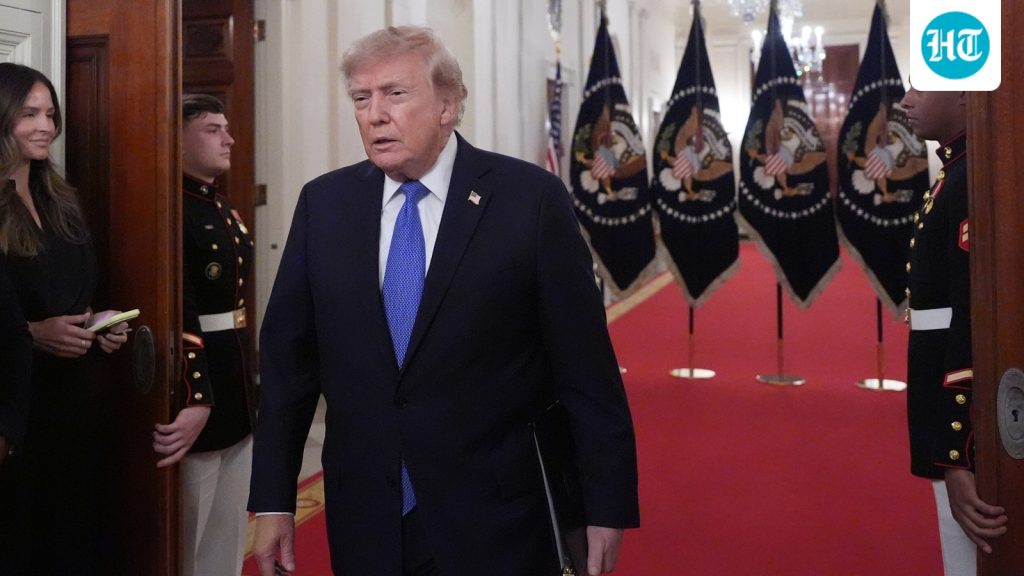
US Visa Update: Expanded Social Media Screening for Indian Applicants
Bharatmorningnews.com – The latest US visa update signals a significant shift in how foreign nationals are evaluated for entry into the United States. Under an internal directive from the State Department, applicants may now face more intensive social media examinations as part of the vetting process. This initiative, detailed in a recent memorandum and highlighted by The Daily Signal, extends mandatory digital profile reviews to additional applicant groups during the Trump presidency. For Indian applicants in particular, this US visa update could mean greater scrutiny during the approval procedure.
Those impacted by the updated guidelines must configure their online accounts to be visible—either “public” or “open”—so officials can conduct thorough assessments throughout the visa approval procedure. This requirement ensures that consular officers have access to applicants’ digital footprints when making critical decisions about eligibility and security.
Who Is Affected by the Expanded Screening?
The memorandum indicates that the enhanced verification process targets foreign journalists and media personnel, alongside qualified citizens from Canada and Mexico who travel for commercial purposes under the USMCA framework. Their family members are also included in the scope of this policy shift. Currently, several visa classifications already undergo social media checks. These encompass diplomatic and official passports, temporary laborers and trainees, exchange program participants, religious workers, and specific witnesses, informants, and victims involved in legal proceedings.
“The Department relies on every available source of information during visa screening and vetting to identify applicants who may be inadmissible to the United States, including those who pose a threat to national security or public safety,” the memo explains.
This development follows a June 2025 announcement requiring international students with private profiles to open them for examination. The new directive reinforces that stance by mandating visibility settings for covered applicants. As more categories come under scrutiny, applicants are advised to review their social media presence carefully before submitting visa applications.
Security and Discretion Emphasized
According to the document, each visa determination represents a core national security judgment. Officials note that approval remains a discretionary privilege rather than an automatic right granted to all applicants. This principle underscores the importance of transparency in applicants’ online activities.
“Online presence vetting is about applicants demonstrating their eligibility to receive a visa under US law and ensuring that no individual poses a risk to the safety and security of the United States,” a State Department representative told AFP.
A spokesperson further clarified that global screening mechanisms undergo continuous evaluation to maintain rigorous standards for American security interests. This ongoing assessment ensures that the US visa update remains responsive to emerging threats and changing immigration patterns.
Implications for Indian Applicants
The policy expansion could resonate strongly within India, where demand for American visas spans numerous travel purposes. While the current rules target particular categories, they signal ongoing commitment to tighter immigration oversight under the Trump administration. Data from the 2024 Open Doors Report—jointly released by the Institute of International Education and the State Department’s Bureau of Educational and Cultural Affairs—reveals that 331,602 Indian students were enrolled across US higher education institutions at that time.
Recent measures since the administration’s return to power include stricter boundaries on how long foreign students and journalists may stay. Finalized regulations last month cap student admissions at four years based on academic program length, while journalists face a 240-day limit with extension possibilities. These changes add another layer of complexity to the US visa update process for Indian nationals.
Frequently Asked Questions
Q: Do all Indian applicants need to make their social media profiles public? A: Not all applicants. The new requirements primarily affect foreign journalists, USMCA commercial travelers, and their family members. However, international students with private profiles were already required to open them as of June 2025.
Q: How long can Indian students stay in the US under the new rules? A: Finalized regulations cap student admissions at four years based on academic program length, providing clarity for long-term educational planning.
Q: What happens if my social media profile is private? A: Officials may request access or deny the visa application. It is advisable to set your profiles to “public” or “open” before submitting your application.
Asmi, a digital content producer specializing in international affairs, technology, and business news, covers these developments with emphasis on clarity and timely reporting for online audiences.