
US-Iran war underlines India’s need for a Gulf doctrine: Arrive earlier, act faster, absorb less damage
US-Iran War Highlights India’s Gulf Doctrine Imperative
Bharatmorningnews.com – The US-Iran war underlines India’s strategic priorities in the Gulf region, emphasizing the urgent need for a cohesive doctrine to navigate geopolitical tensions. With escalating conflicts in the Persian Gulf, India’s economic and security interests are increasingly intertwined with the stability of this critical area. The recent hostilities have exposed vulnerabilities in India’s current approach, revealing that the nation must act more decisively to protect its energy lifelines, trade routes, and diplomatic standing.
A Crisis Bargain and Its Impact
“The Gulf is not just a geographic entity—it’s a geopolitical crossroads.”
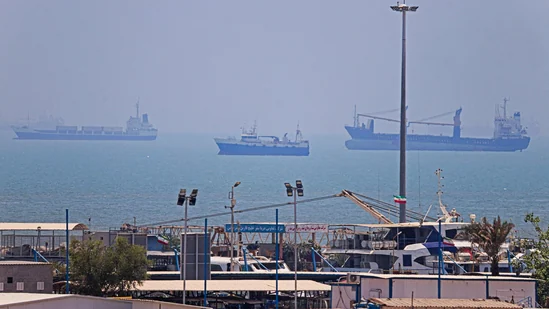
As the US-Iran war continues to unfold, it has become evident that the region’s dynamics directly affect India’s economy. The Strait of Hormuz, a vital artery for global oil shipments, has been under constant threat, forcing India to rethink its long-standing reliance on Gulf energy. The crisis has also highlighted the fragility of India’s trade networks, which depend heavily on uninterrupted maritime routes. While the US-Iran truce provides temporary relief, it underscores that India cannot afford to remain reactive in the face of escalating regional instability.
India’s strategic presence in the Gulf has grown over the years, but its response to the current conflict has been measured. The nation’s focus on energy security has left it exposed to disruptions, as evidenced by the sharp rise in oil prices and the potential for supply chain bottlenecks. The US-Iran war underlines India’s need to integrate economic and security strategies, ensuring that the Gulf remains a stable partner rather than a source of unpredictable risks.
India’s Evolving Stakes in the Gulf
The US-Iran war underlines India’s deepening economic ties with Gulf nations, which have become a cornerstone of its foreign policy. India’s energy imports from the region account for over 70% of its total oil needs, making it vulnerable to any shifts in supply. Additionally, remittances from the Gulf contribute significantly to India’s foreign exchange reserves, while maritime trade through the region sustains its industrial growth. These factors necessitate a more proactive and integrated Gulf doctrine.
“India’s influence in the Gulf is growing, but its strategic preparedness lags behind.”
Historically, India’s engagement with the Gulf has been characterized by incremental progress rather than bold strategic planning. The US-Iran war underlines India’s need to accelerate its investments in infrastructure projects, such as the Chabahar port, and deepen diplomatic ties with key Gulf states. By aligning its policies with the region’s evolving priorities, India can better safeguard its economic interests while enhancing its geopolitical leverage. The current crisis serves as a stark reminder that a Gulf doctrine is no longer optional—it’s essential.
Strategic Partnerships and Regional Balance
While the US-Iran war underlines India’s need for a Gulf doctrine, it also presents an opportunity to redefine its relationships with regional actors. Pakistan’s diplomatic efforts during the conflict, though limited, demonstrate the importance of maintaining open lines of communication in a volatile region. India should leverage such partnerships to create a more balanced approach, engaging not only with Gulf states but also with Iran and Israel to address shared concerns.
The Gulf is a complex web of alliances and rivalries, with Arab capitals, Iran, and Israel competing for influence. India’s ability to navigate this landscape will determine its success in securing energy and trade routes. By fostering multilateral cooperation and aligning with regional powers, India can reduce its dependency on any single actor while ensuring long-term stability. The US-Iran war underlines India’s need to move beyond bilateral ties and adopt a comprehensive Gulf strategy.
Towards a Practical Gulf Doctrine
India’s Gulf doctrine should prioritize resilience, flexibility, and foresight. The US-Iran war underlines India’s need to act earlier in crises, securing resources and alliances before tensions escalate. This includes strengthening its naval presence in the region to protect shipping lanes and deploying rapid response mechanisms to counter disruptions. By doing so, India can minimize damage to its economy and ensure continuity in critical sectors.
“A Gulf doctrine for India is about being prepared, not just reacting.”
Such a doctrine would also require India to invest in energy diversification, reducing its overreliance on Gulf oil. While the US-Iran war underlines India’s need for a Gulf doctrine, it is equally vital to explore alternative energy sources and enhance domestic production. Additionally, India must focus on building long-term partnerships with Gulf states, ensuring that its economic and security interests are prioritized in regional decision-making. This proactive stance will position India as a key player in the Gulf’s evolving geopolitics.