
The US and Iran peace deal: Looking ahead
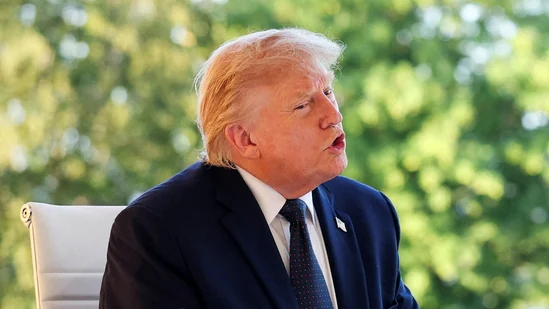
A Historic Accord Signed in Geneva
Bharatmorningnews.com – The U.S. and Iran peace deal represents a significant breakthrough in resolving a long-standing conflict that has spanned decades. Announced on Sunday by President Donald Trump, this agreement aims to de-escalate tensions between the two nations and restore stability to the Middle East. The deal’s core provisions include the immediate lifting of the U.S. naval blockade in the Strait of Hormuz, a strategic waterway, in exchange for Iran committing to reopen the passage to commercial vessels and halt hostilities in Lebanon. The formal signing of the accord is set for June 19 in Geneva, Switzerland, marking a pivotal moment in international diplomacy. This development is expected to have far-reaching consequences for regional security and global trade, particularly as it addresses one of the most critical flashpoints in the area.
Context of the Conflict and Negotiation Background
The U.S. and Iran peace deal emerged from months of intense negotiations following a series of escalations in the region. Over 100 days of fighting had already caused political instability and economic strain, with the Strait of Hormuz becoming a focal point of contention. Pakistan’s Prime Minister Shehbaz Sharif shared the news on X (formerly Twitter), stating,
“Following extensive discussions, we are pleased to announce that the Peace Deal between the U.S. and Iran has been finalized. Both parties have agreed to halt military operations across all fronts, including Lebanon, permanently.”
This agreement not only signals a shift in U.S. and Iran’s relationship but also offers hope for a lasting resolution to the ongoing disputes. The terms reflect a delicate balance between mutual concessions and strategic interests, as both sides seek to secure their geopolitical positions.
Key Terms of the Memorandum and Negotiation Process
The Memorandum of Understanding (MoU) outlines a comprehensive framework for the U.S. and Iran peace deal, emphasizing cooperation on nuclear capabilities and sanctions relief. Central to the agreement is a 60-day negotiation period focused on Iran’s nuclear program, which the U.S. has long suspected of advancing weapons development. In exchange for limiting enrichment to 3.67% and reducing uranium stockpiles, Iran is expected to gain access to frozen assets and partial sanctions relief. However, unresolved issues remain, particularly regarding Iran’s nuclear stockpile and broader U.S. economic sanctions. IRNA reported that Iran’s representative, Kazem Gharibabadi, highlighted the expectation of full sanctions removal during the talks, though Washington has yet to fully commit to this goal.
Strategic Implications for Global Trade and Regional Stability
The reopening of the Strait of Hormuz under the U.S. and Iran peace deal is a major economic victory, given its status as a vital artery for global energy supplies. The waterway controls nearly 20% of the world’s oil and gas transportation, and its closure during the February 28 conflict had caused widespread disruption. The MoU’s success in restoring this critical passage could stabilize oil prices and reduce supply chain risks for energy-dependent nations. Analysts, however, caution that the benefits of the deal may be temporary, as underlying tensions persist. Gulf states are already planning to expedite pipeline projects to bypass the strait, while major energy consumers are diversifying their supply networks to mitigate future risks.
U.S. Diplomatic Objectives and Iran’s Strategic Demands
President Trump’s primary objective in the U.S. and Iran peace deal is to ensure Iran never develops nuclear weapons. The agreement includes strong language to this end, such as Iran’s commitment to reduce its enrichment capacity and agree to inspections. However, the U.S. has had to adjust its demands, abandoning the zero-enrichment goal and postponing plans to dismantle Iran’s missile program and regional alliances. This flexibility reflects a strategic compromise, as Iran has hardened its position since the April ceasefire, insisting on a two-step process that includes immediate sanctions relief and long-term security guarantees. The deal’s success hinges on the ability of both sides to uphold their commitments and avoid renewed hostilities.
Comparisons to the 2015 JCPOA and Future Outlook
The current U.S. and Iran peace deal draws parallels to the 2015 Joint Comprehensive Plan of Action (JCPOA), a landmark agreement under President Obama that capped Iran’s nuclear program and reduced its uranium reserves by 98%. However, the JCPOA faced setbacks when Trump withdrew from it in 2018, allowing Iran to expand its enrichment capabilities. The new MoU seeks to address these concerns by re-establishing a framework for transparency and mutual trust. While the deal is a step forward, Trump warned that military action could resume if diplomatic efforts falter, underscoring the fragility of the agreement. Moving forward, the U.S. and Iran peace deal will need sustained cooperation and clear enforcement mechanisms to solidify its impact on regional and global dynamics.
Broader Impacts on International Relations
The U.S. and Iran peace deal has the potential to reshape international relations in the Middle East and beyond. By halting hostilities in Lebanon and re-opening the Strait of Hormuz, the agreement reduces the risk of broader regional conflicts and strengthens economic ties between the U.S. and Iran. Analysts suggest that this deal could also influence the policies of other global powers, such as European nations and Russia, which have long sought to mediate between the two countries. Additionally, the peace deal may pave the way for renewed dialogue on Iran’s role in global security, including its influence in Syria and Yemen. With the deal’s success dependent on continued compliance, the U.S. and Iran peace deal stands as both a hopeful milestone and a complex challenge for the future.
As the U.S. and Iran peace deal takes shape, its long-term viability will be tested by both sides’ willingness to adhere to the terms. While the agreement offers immediate relief and a pathway to stability, it also sets the stage for deeper cooperation or renewed conflict. The deal’s impact on global trade, regional alliances, and Iran’s nuclear ambitions will be closely monitored in the coming months. With the signing ceremony imminent, the international community watches to see how this historic accord will influence the geopolitical landscape and whether it can serve as a lasting solution to the region’s tensions.