
The It guy: What makes Stephen King’s horror so memorable?
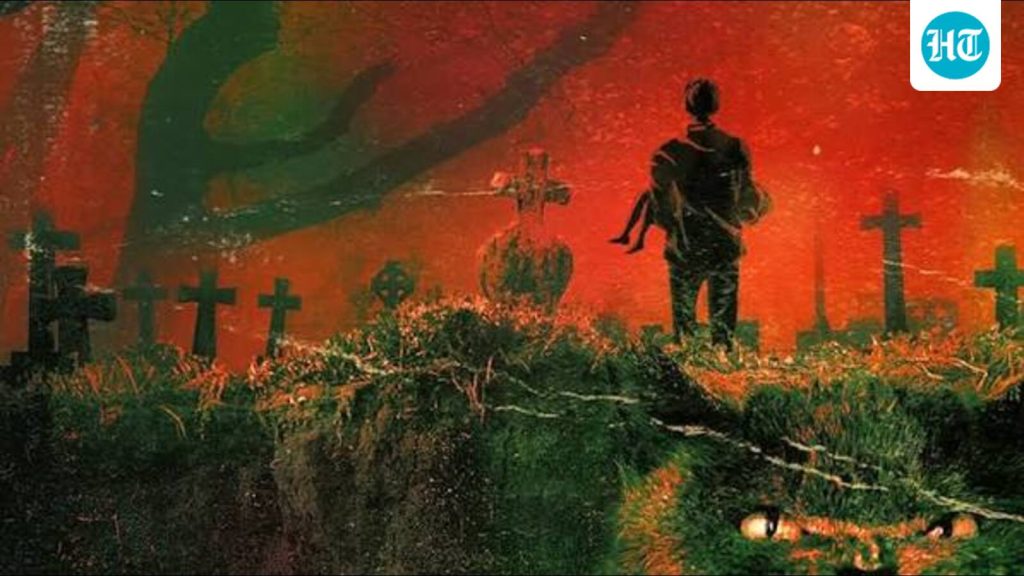
Monsters in the Archives: Uncovering the Heart of Stephen King’s Enduring Fear
Bharatmorningnews.com – Caroline Bicks arrived at the University of Maine nearly a decade ago as a specialist in Shakespeare, not horror literature. The prestigious chair she now occupies bears Stephen King’s name, though this honor stemmed primarily from his status as the institution’s most celebrated graduate. What began as a scholarly pursuit transformed into something far more personal when King himself reached out to her four years into her appointment. That phone call opened doors that had never been fully accessible to researchers before.
A Year Inside the Archives
At fifty-nine years old, Bicks dedicated twelve months to examining King’s manuscript collections with unprecedented access. Her investigation focused on early versions of landmark works from the 1970s and 1980s, including Carrie, The Shining, ‘Salem’s Lot, Night Shift, and Pet Sematary. Through these drafts, she discovered something unexpected: a recurring emotional wound beneath the surface of his fiction.
King experienced the devastating loss of his mother, Nellie Ruth King, to cancer at age twenty-five. She was sixty years old when she died. This tragedy manifested repeatedly across his manuscripts, emerging naturally rather than being deliberately sought. The pattern became impossible to overlook as draft after draft revealed the same underlying grief.
This pattern helps explain why the horror that endures from King isn’t the visible kind. It’s the fear that someone you love will be taken from you, and that nothing — not faith, willpower or a pet cemetery built on cursed ground — can ever bring them all the way back.
The Schlockmeister’s Secret
Now seventy-eight years old, King has produced an extraordinary body of work: sixty-six novels and novellas, more than two hundred short stories, and five non-fiction volumes that explore the foundations of horror. Stacked vertically, these publications would tower as high as a young giraffe or reach the basketball court’s rim.
Despite his monumental output, King frequently minimizes his own importance. He has referred to himself as “America’s schlockmeister,” a self-deprecating comparison to the comfort of burgers and fries. Yet his books maintain remarkable staying power. Their longevity extends beyond mere monster encounters; they endure because of what those creatures represent and threaten.
Bicks’ book, Monsters in the Archives: My Year of Fear with Stephen King, captures this essence. Through archival examination and screen analysis, she reveals a writer whose true fascination lies not in what terrifies us, but in what we cannot cease loving—and the price such devotion demands. Fifty-two years after Carrie arrived, King’s most lasting achievement remains the ordinary yet crushing reality that every person we cherish will eventually slip away.
A Scholar’s Personal Journey
Bicks had always admired King’s work, but her scholarly curiosity deepened when she gained access to his archives. “I thought: This is what I love to do — study language and study how great works get written,” she reflected. “His books have stayed with me 40 years after I read them. I wanted to understand why. How did he do it?”
One revelation surprised many readers: King composed novels before Carrie, though publication came much later. At eighteen, during his freshman year of college, he wrote The Long Walk, a dystopian tale set in an authoritarian America. Published in 1979, the manuscript contained quotations from Andrew Marvell, the seventeenth-century poet. This discovery demonstrated King’s lifelong engagement with poetry and musicality in language.
He knows exactly how to take a simple sound like “oh” and stretch it into something much more unsettling.
King and Bicks shared a particularly meaningful exchange regarding ‘Salem’s Lot, published in 1975. The author revealed that James Dickey’s poetry heavily influenced those lyrical passages where the town itself transforms into a character with secrets of its own. Even in his early career, King approached language with poetic sensibility.
Bicks identified The Body (1982) as the work that fundamentally shifted her appreciation of King’s range. The subsequent film adaptation, Stand by Me (1986), followed four boys searching for a missing teenager presumed dead. The story resonated deeply as a meditation on friendship, captured in its memorable line: “I never had any friends later on like the ones I had when I was twelve.”
While researching her book, Bicks revisited Night Shift (1978), King’s inaugural collection of short stories, further illuminating the consistent threads that connect his entire career. Through archives and personal conversation, she uncovered not just the mechanics of his craft, but the emotional architecture beneath his most unforgettable tales of fear.
Related Reading
Frequently Asked Questions
What is The It guy?
The It guy is the main topic of this guide. The article explains the context, practical details, and next steps readers should understand.
Why does The It guy matter?
The It guy matters because readers are looking for a useful answer, not just a short summary. Good content should match search intent and help them decide what to do next.