
Sonam Wangchuk’s final message hours before cops removed him from Jantar Mantar | Watch
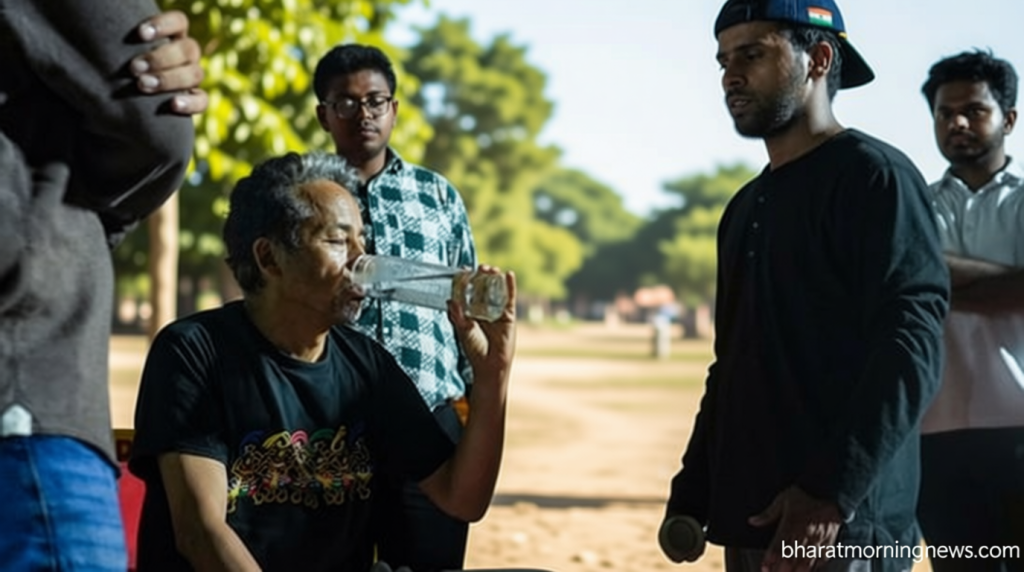
Sonam Wangchuk’s Final Message from Jantar Mantar | Watch
Bharatmorningnews.com – On the eve of his hospitalization, Sonam Wangchuk delivered his final message from Jantar Mantar, where he had been leading a hunger strike for 21 days. The activist, known for his relentless advocacy for children’s rights, shared a heartfelt video message hours before Delhi Police moved him to Safdarjung Hospital, citing his deteriorating health as a key factor. In the clip, he reaffirmed his resolve, stating, “Yes, I am alive,” while reflecting on the physical toll of his protest and the sacrifices made for the cause.
The Toll of the Hunger Strike
Recorded around midnight on July 18, the video captured Wangchuk’s emotional state as he approached the 20th day of his fast. He revealed that he had lost roughly 20% of his body weight, emphasizing the body’s struggle to sustain his commitment to the movement. “My body is taking a heavy toll,” he said, describing the gradual loss of fat, muscle, and eventually organs, with his brain being the last to go. This stark imagery underscored the physical and mental endurance required for his protest, which had drawn national attention.
“Yes, I am alive. About 20 per cent of my body is gone. After fats, muscles are gone. After that, organs will go. Finally, brain. That stage has not come yet.”
Defending the Movement’s Impact
Despite his worsening condition, Wangchuk remained vocal, defending the importance of his cause. He drew a compelling analogy between his protest and the political upheaval caused by rising onion prices, which had once led to government resignations. “We are talking about the lives of children,” he asserted, highlighting how his movement was a direct response to systemic issues affecting vulnerable populations. The video also featured him addressing supporters, expressing gratitude for their unwavering solidarity.
“You are our strength. Otherwise, who am I? I am a lonely, hungry human being.”
Political Context and Public Outcry
Wangchuk’s hunger strike was part of a broader campaign demanding better education and healthcare for children in India’s northern regions. The protest had drawn thousands to Jantar Mantar, a historic site for demonstrations in Delhi, symbolizing the movement’s grassroots appeal. His final message, however, became a focal point of debate as Delhi Police cited medical emergencies for his removal. Critics argued that the move was a strategic attempt to suppress dissent, while supporters viewed it as a necessary intervention to preserve his health.
Family’s Concerns and Legal Backing
Wangchuk’s wife, Gitanjali J. Angmo, voiced her objections to the hospitalization, claiming it was conducted without her consent and that the doctors had not fully evaluated the situation. This sparked a discussion about the legal procedures followed during his detention. Meanwhile, the CJP (Citizens for Justice and Peace) founder, Abhijeet Dipke, labeled the action a “crackdown on protesters,” accusing authorities of using medical grounds to justify the arrest of a key figure in the movement. The police, on the other hand, maintained that the hospitalization was essential for his recovery and urged protesters to vacate the site peacefully.
Broader Implications and Future Actions
The incident has intensified debates about the treatment of activists and the role of public spaces in protests. As the final message from Jantar Mantar gained traction on social media, it reignited discussions about the power of nonviolent resistance. Supporters began organizing virtual rallies, using the video as a rallying point to amplify Wangchuk’s voice. The planned Parliament march on July 20, which had already gained momentum, now carries even greater symbolic weight, with many viewing it as a continuation of Wangchuk’s struggle.
“This is not just about me. It’s about the children who need a voice. We will not stop until our demands are met.”
Legacy and Ongoing Campaigns
Even as he was hospitalized, Wangchuk’s final message from Jantar Mantar reinforced his dedication to the cause. The video has since become a key piece of evidence in the discourse around his protest, with experts analyzing the strategic use of personal sacrifice to galvanize public support. His advocacy has also prompted comparisons to other hunger strikers in India’s history, emphasizing the role of such tactics in political activism. As the movement evolves, the message remains a testament to the courage and conviction of those fighting for systemic change.