
‘Sheer recklessness’: Ex-Japan minister slams India for delays in bullet train project, MEA hits back
Ex-Japan Minister Accuses India of ‘Sheer Recklessness’ in Bullet Train Delays, MEA Responds
Bharatmorningnews.com – India’s high-speed rail project has drawn sharp criticism from a former Japanese minister, who branded the delays as ‘sheer recklessness.’ The accusation comes amid ongoing debates about the country’s progress on the Mumbai-Ahmedabad bullet train initiative, with the Ministry of External Affairs (MEA) countering that the remarks reflect a personal opinion rather than a factual assessment.
Japan’s Former Minister Slams India’s Project Management
Hideki Makihara, a retired Justice Minister of Japan and prominent member of the Liberal Democratic Party, accused India of causing significant setbacks in the Indo-Japanese Shinkansen endeavor. His comments, made during a recent press conference, underscore concerns about India’s commitment and efficiency in delivering the high-speed rail infrastructure.
“The delays are a direct result of India’s persistent lack of reliability. Even after agreements were made, the Indian side continuously changed its stance, prioritizing self-interest over cooperation. This behavior is not just inefficient—it’s sheer recklessness, especially for Japanese stakeholders who have invested heavily in the project.”
“The final stages of negotiations were marred by ineffective leadership. If the leadership is untrustworthy, it’s difficult to achieve meaningful collaboration. The delays are entirely attributable to India’s actions, not Japan’s.”
MEA Defends India’s Progress and Commitments
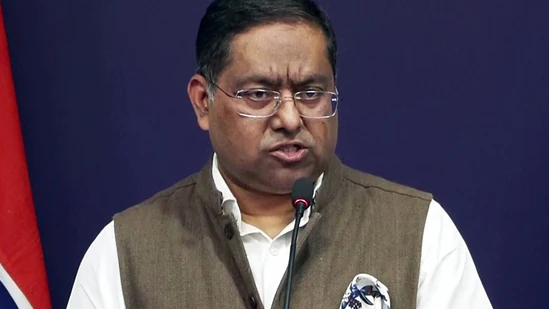
In response, the MEA emphasized that Makihara’s critique is subjective and does not align with the project’s current trajectory. A spokesperson highlighted the ongoing collaboration between India and Japan, stating that discussions on the Mumbai-Ahmedabad high-speed rail are progressing smoothly despite challenges.
“India has demonstrated its dedication to the project by committing to a phased rollout, with the first segment of the bullet train service expected to commence by August 15, 2027,” said Randhir Jaiswal, MEA spokesperson. “The delays are due to unforeseen complexities, not a lack of determination.”
Project Timeline and Technical Readiness
The Union Railway Minister, Ashwini Vaishnaw, confirmed that the initial phase of the high-speed rail project will start with the Surat–Bilimora segment, which is currently under construction. This marks a critical milestone in India’s efforts to establish its first high-speed rail network, a project with the potential to transform regional connectivity and economic growth.
“Japan will supply the E10 series train in the early 2030s, which is still in development. However, India has accelerated construction efforts, ensuring the first section is completed on time. Both nations have agreed to launch operations using the Indian high-speed train, reflecting shared goals for early implementation.”
“While challenges remain, the project’s technical readiness and collaborative spirit are strong. The ‘sheer recklessness’ label oversimplifies the complex logistics and policy hurdles involved.”
Stakeholder Reactions and Project Significance
Experts and industry observers have weighed in on the controversy, noting that the Mumbai-Ahmedabad high-speed rail is a flagship initiative for India’s infrastructure development. The project, valued at over $10 billion, is expected to boost trade, reduce travel times, and set a precedent for future rail projects in the region.
Makihara’s comments have sparked discussions about India’s ability to meet international commitments, particularly in a sector where precision and reliability are paramount. Meanwhile, the MEA continues to stress that the delays are a temporary setback, not a reflection of India’s overall capability. The bullet train project remains a symbol of Indo-Japan’s strategic partnership, with both nations aiming to finalize the entire network by 2030.
As the project moves forward, the ‘sheer recklessness’ label may serve as a reminder of the challenges ahead. However, with increased coordination and transparent communication, India’s commitment to this landmark initiative appears steadfast, despite the recent criticisms.