
‘Severed hand, as if she was pleading’: A year later, forensic expert recalls AI-171 crash horror
‘Severed Hand, as If She Was Pleading’: Forensic Expert Recalls AI-171 Crash Horror
Bharatmorningnews.com – One year after the catastrophic crash of Air India Flight 171, the memory of a severed hand—appearing as if the victim was pleading—continues to haunt the forensic team. The tragedy, which occurred on June 12, 2025, when the London-bound Dreamliner crashed shortly after takeoff from Ahmedabad, Gujarat, resulted in the loss of 241 passengers and 19 people on the ground. For HP Sanghvi, head of the Gujarat Directorate of Forensic Sciences, the event remains a visceral reminder of the human toll and the meticulous work required to uncover identities in the aftermath.
The Emotional Toll of a Tragic Discovery
Among the most harrowing images from the crash site was the sight of a woman’s severed hand, fingers curled tightly as if she was pleading for help. Sanghvi, who led the identification efforts, shared the emotional weight of the discovery during an interview with PTI news agency. “Even now, a year later, we can only imagine the terror of her final moments,” he said, describing the hand as a haunting symbol of the disaster’s brutality. The team of 38 forensic scientists spent 15 days analyzing remains, driven by the urgent need to provide closure to grieving families.
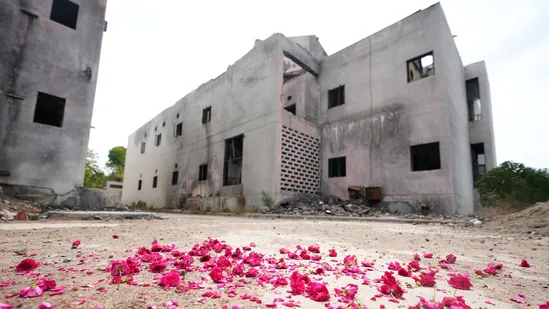
The crash site, a hostel complex in Ahmedabad, was a scene of devastation. Bodies were partially charred, and the remains of the aircraft’s systems were scattered across the area. Sanghvi’s team faced the daunting task of matching biological evidence with surviving records, often working in shifts to ensure no detail was overlooked. The severed hand, preserved in the debris, became a focal point of their investigation, its poignant pose capturing the tragedy’s human dimension.
Overcoming Challenges in Extreme Conditions
Sanghvi recounted receiving the first samples late at night, as the search for victims intensified. Within the first 100 hours, his team managed to generate 100 DNA profiles, a significant achievement in the face of extreme heat that had compromised many samples. “The process was delicate—30 precise steps to isolate DNA from burned tissue,” he explained. Despite the heat’s destructive impact, the forensic experts remained relentless, working 24 hours a day to ensure families received the final, tangible memories of their loved ones.
The intense heat not only altered the physical state of the remains but also challenged the team’s ability to extract usable genetic material. Some samples required multiple rounds of testing, with technicians painstakingly reworking data to ensure accuracy. Sanghvi emphasized the importance of speed and precision, noting that delays could deepen the anguish of the families. The severed hand, though a focal point, was just one of hundreds of remains processed in the days following the crash.
The Human Element Behind the Science
The Gujarat Directorate of Forensic Sciences mobilized resources swiftly after the disaster, bringing in DNA specialists from across the state and acquiring additional equipment to expedite analysis. “Our teams stayed here 24X7,” Sanghvi said, highlighting the unyielding dedication that defined the operation. The team’s resilience was tested daily, as they balanced technical precision with emotional sensitivity, recognizing that each identification brought a step closer to healing for the bereaved.
As the investigation progressed, the forensic experts faced not only scientific hurdles but also the psychological strain of working in such a traumatic environment. Sanghvi shared how the image of the severed hand, as if she was pleading, lingered in their minds long after the work was done. “It was a reminder of the humanity behind the data,” he said. This blend of technical rigor and empathy allowed the team to navigate the complexities of the case while maintaining a connection to the victims’ stories.
“The severed hand, as if she was pleading, symbolized the desperation of the moment,” Sanghvi reflected. “Even after a year, we still feel the weight of that tragedy in every sample we process.”
A Year of Reflection and Resolution
As the months passed, the forensic team’s work transitioned from urgency to reflection. They meticulously reviewed each case, ensuring that no detail was missed in their quest to deliver accurate results. The severed hand, once a symbol of despair, became a part of the broader narrative of resilience and determination. “We are not just identifying bodies; we are restoring dignity to the victims,” Sanghvi stated, underscoring the deeper purpose of their efforts.
The process of identification, while technical, also involved personal connections. Families would arrive at the lab with stories, photos, and memories, creating a shared understanding of the victims’ lives. This human element was crucial in maintaining morale and focus, even as the team dealt with the relentless demands of the case. The focus keyword “severed hand as if she was” resurfaced in their discussions, serving as a constant reminder of the tragedy’s emotional core.
Today, the forensic team continues to process biological samples, their work a testament to the dedication required in the wake of such a disaster. The image of the woman’s hand, as if she was pleading, remains an enduring symbol of the human cost of the AI-171 crash and the tireless efforts of those who sought to bring truth to the victims’ stories.