
‘Real side of life in Bengaluru’: Techie says he spends ₹74,000 a month despite rarely going out
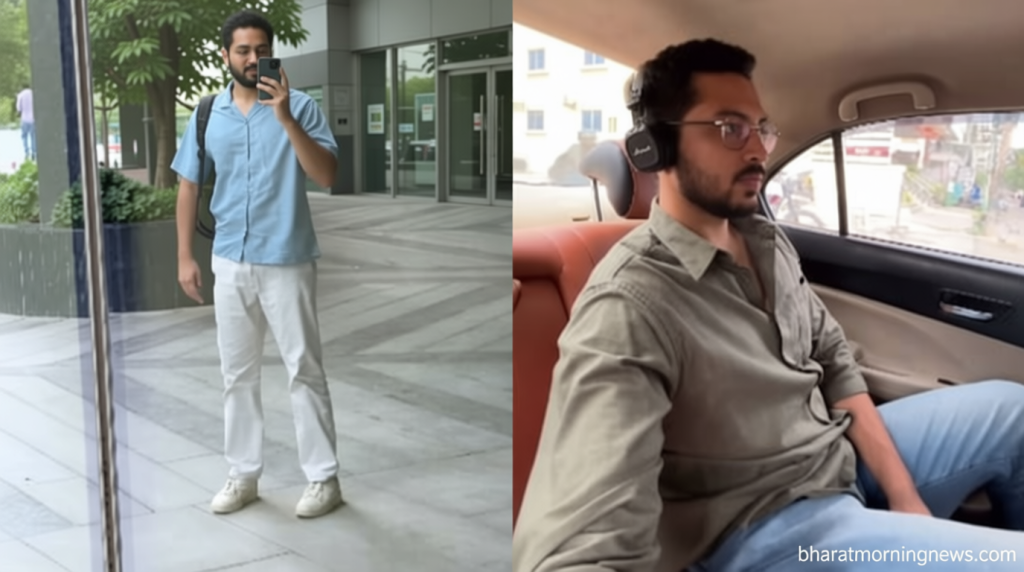
Real Side of Life in Bengaluru: Tech Professional’s ₹74K Monthly Budget Revealed
Bharatmorningnews.com – The real side of life in Bengaluru has become a trending topic among urban dwellers as the city continues to be recognized as one of India’s most expensive metropolitan areas. Housing costs, transportation, and daily expenses have created a financial landscape that many working professionals find challenging to navigate. A recent viral post by a local tech professional has shed light on the actual monthly expenditure required to maintain a comfortable lifestyle in this tech hub.
Ayush Thakur, a machine learning engineer employed at Walmart, recently shared an intimate glimpse into his monthly financial journey through an Instagram video that quickly gained traction across social media platforms. His transparent breakdown reveals that despite maintaining a relatively quiet lifestyle with minimal social outings, he allocates approximately ₹74,000 every month toward various expenses and savings commitments.
Comprehensive Expense Breakdown
Thakur’s detailed financial disclosure begins with his accommodation costs, which account for ₹18,000 of his monthly budget. This figure reflects Bengaluru’s premium real estate market, particularly in areas popular with tech professionals. Additionally, he invests ₹3,000 monthly for domestic assistance, ensuring his living space remains well-maintained without requiring his direct involvement.
Utilities, high-speed internet connectivity, and various subscription services collectively contribute ₹1,000 to his monthly outflow. One significant advantage of his current employment situation is the comprehensive coverage of transportation and meal expenses by his employer. This benefit substantially reduces his daily financial burden. “This is the reason I romanticise my 9-to-5,” Thakur shared candidly during his video recording, highlighting how workplace benefits can transform one’s financial experience.
Investments and Daily Spending
Food-related expenditures form another crucial component of his budget, encompassing grocery purchases and protein supplements that total approximately ₹12,000 monthly. Perhaps most notably, Thakur dedicates a substantial ₹30,000 toward investments and systematic investment plans (SIPs), demonstrating his commitment to long-term financial growth.
His approach to surplus funds reveals a disciplined mindset. “I can’t be trusted with idle money in my account,” he humorously observed, explaining his tendency to channel excess funds into savings vehicles rather than allowing them to accumulate without purpose. Unplanned purchases and spontaneous late-night online shopping contribute an additional ₹10,000 to his monthly financial tally, representing the unpredictable nature of modern consumer behavior.
“Total wallet damage is ₹74,000. Which is sorta scary, kyunki main utna bahar nahi jata, aur na hi party karta hoon (because I don’t go out that much or party). But I guess, adulting in these big cities is just one long bill.”
Community Response and Validation
The viral nature of Thakur’s post generated extensive engagement from netizens who found his financial transparency both relatable and illuminating. Many viewers drew direct parallels between his experience and their own monthly financial struggles in Bengaluru and other major Indian cities.
“Bro hardly 70-75k is too good I was not even able to manage my expenses bro every month crossing over 3L easily. not getting financial stability,” one viewer remarked, emphasizing how Thakur’s budget appears manageable compared to others’ experiences.
Some commenters offered constructive perspectives on his expense categorization. Another individual challenged the classification of certain outflows, stating, “Don’t think SIP can be counted as expenses here because that money can come back.” This observation sparked further discussion about how different individuals categorize their financial commitments.
A third commenter compared the numbers to their own earnings trajectory, writing, “Brother is spending more than what I will receive monthly after FTE. What to say about this internship now.” This comment highlighted the generational and professional disparities in financial expectations within Bengaluru’s tech ecosystem.
Broader Context and Trends
Thakur’s financial disclosure arrives at a time when the real side of life in Bengaluru continues to evolve. For additional context, a similar breakdown was previously shared by another Bengaluru resident who reported spending ₹71,000 monthly, with ₹28,000 dedicated to rent and ₹15,000 allocated to weekend leisure activities. These comparable figures suggest that Thakur’s budget aligns well with broader trends among tech professionals in the city.
The growing popularity of such financial disclosures reflects a cultural shift toward transparency in urban India. Young professionals increasingly share their monetary journeys, creating a collective understanding of what it truly costs to live, work, and grow in metropolitan centers like Bengaluru. As housing prices continue to rise and lifestyle expectations evolve, these real-world examples provide valuable benchmarks for newcomers and seasoned residents alike.
Thakur’s post concluded with a comprehensive statement: “Sharing the real side of life in Bangalore – expenses, travel, fitness, work, and everything in between.” This encapsulation captures the multifaceted nature of urban living, where financial planning extends beyond mere survival to encompass personal growth, health, and professional development in one of India’s most dynamic cities.