
Rapid weight loss can come with unexpected changes: What it may do to your hair, face, and muscles
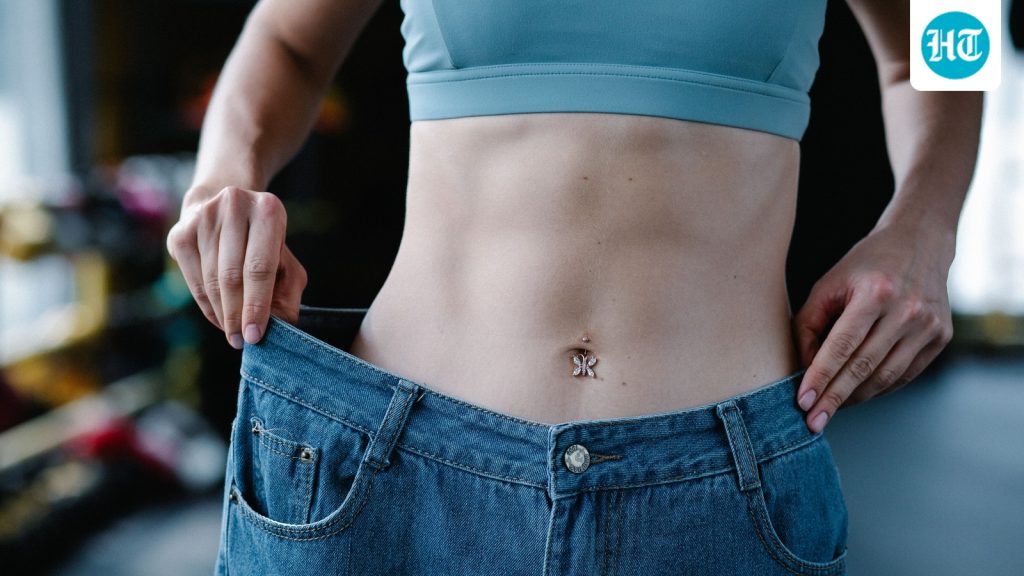
Rapid Weight Loss Can Change Hair, Face and Muscle
Bharatmorningnews.com – Rapid weight loss can come with changes that go beyond a lower number on the scale. A quick reduction in body weight may affect facial volume, trigger hair shedding and reduce muscle mass, making it important to focus on overall health rather than weight alone.
Dr Anmol Chugh, Associate Director and Head of Plastic and Aesthetic Surgery at CK Birla Hospital, Gurugram, says these changes can be surprising for people who are otherwise pleased with their progress. They do not automatically mean that weight loss has been unhealthy, but they deserve attention during the process.
Fast weight loss may make the face look hollow
Fat beneath the skin helps support the cheeks, temples and under-eye area. When body fat reduces quickly, the face can lose volume before the skin has had time to adjust to its smaller framework.
“Facial fat is one of the first things I check when a patient describes rapid weight loss,” said Dr Anmol.
As volume decreases, shadows, hollows and loose-looking skin can become more noticeable. This may make a person appear tired or older, even when their weight and other health markers are improving.
Some patients in their 30s and 40s seek treatments such as fillers or fat grafting earlier than expected after substantial weight reduction. Whether treatment is suitable depends on the person’s health, concerns and individual assessment.
Hair shedding can start after a delay
Hair loss can be another unexpected consequence. Rapid weight loss can come as a physical stressor for the body, causing more hairs to move into a resting phase before they are shed.
“Hair loss is a second concern I hear about often, and it’s always a surprise to patients who have lost a lot of weight quickly,” said Dr Anmol.
The shedding may become visible two to three months after the period of weight loss. Because of that delay, people may not immediately connect their hair loss with changes in diet or body weight.
Although this type of shedding can be temporary, persistent or substantial hair loss should be discussed with a qualified healthcare professional. They can assess nutritional intake, the pace of weight loss and other possible factors.
Muscle loss can affect strength and body shape
Not every kilogram lost comes from body fat. Fast weight reduction, particularly without resistance training, can also reduce lean muscle mass. Muscle supports movement, strength and the tissue beneath the skin.
“Muscle loss is the part I worry about most as a surgeon, because it affects surgical planning directly,” explained Dr Anmol.
For people considering body-contouring surgery later, reduced muscle can affect how skin drapes and may influence surgical planning. Maintaining muscle also matters for everyday mobility and physical function.
Protein intake and strength-based activity, when appropriate and approved by a healthcare team, may help support lean tissue during weight loss. The right approach depends on a person’s medical condition, mobility and nutrition needs.
A More Sustainable Weight-Loss Plan
Rapid weight loss can come from medically supervised treatment in some situations, so it is not always inappropriate. However, restrictive plans without adequate nutrition or support can make physical changes harder to manage.
A sustainable plan should consider nutrition, muscle preservation and regular medical guidance alongside weight goals. People with existing health conditions, ongoing hair loss or concerns about weakness should seek personalised advice from their doctor or a qualified nutrition professional.
FAQs
Is hair loss after rapid weight loss permanent?
Hair shedding linked to a sudden change in body weight is often temporary, but it can be distressing. If it continues or becomes severe, consult a healthcare professional for an individual evaluation.
Can strength training help during weight loss?
Strength-focused exercise may help preserve muscle mass during weight loss when it is suitable for your health and part of a medically appropriate plan.
Should I consider cosmetic treatment for facial volume loss?
Not everyone needs treatment. If facial hollowing concerns you, discuss your goals and overall health with a qualified medical professional before considering fillers, fat grafting or other procedures.