
‘Rahul should go there’: Uddhav’s appeal to Congress on Wangchuk hunger strike at Cockroach Party protest
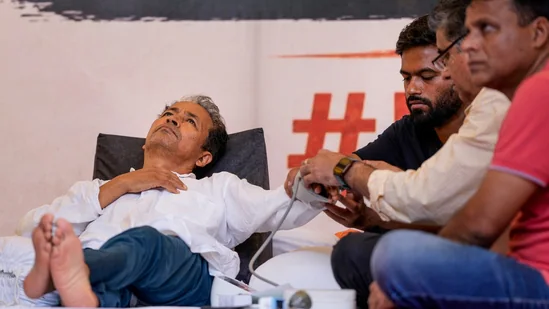
Uddhav Urges Rahul Gandhi to Join Cockroach Janta Party Protest
Rahul Should Go There: A Call for Unity in the Face of Educational Crisis
Bharatmorningnews.com – Shiv Sena (UBT) leader Uddhav Thackeray has publicly encouraged Congress MP Rahul Gandhi to lend his support to the ongoing hunger strike at Delhi’s Jantar Mantar, where the Cockroach Janta Party is demanding systemic reforms in education. In a recent appeal, Thackeray highlighted the urgency of the movement, urging Gandhi to participate in the protest and show solidarity with the youth-led cause. The call comes amid growing frustration over the NEET-UG paper leak scandal, which has sparked nationwide debates about the integrity of the examination system.
Thackeray’s message, “Rahul should go there,” was delivered during a press conference in Mumbai, where he emphasized the need for unified opposition to address the crisis. He argued that the current system has placed an unbearable burden on students, forcing them into debt and emotional distress. “Rahul Gandhiji must also join this march,” he said, adding that leaders from all regions should unite to support the cause of the nation’s youth. The protest, which began on June 20, has drawn attention from various opposition parties, though Congress’s response has been relatively muted.
Background of the Cockroach Janta Party Protest
The Cockroach Janta Party, founded by Boston-based Abhijeet Dipke, has organized a sustained sit-in at Jantar Mantar, drawing parallels to the “Cockroach” metaphor used by Chief Justice of India Surya Kant to describe the corruption in the education sector. The group’s demands center around the resignation of Union Education Minister Dharmendra Pradhan, citing the NEET-UG paper leak as a symptom of deeper systemic failures. Thackeray’s endorsement of the movement underscores the growing cross-party concern over the scandal, which has affected millions of students and their families.
As the protest enters its second week, the hunger strike has become a focal point for critics of the examination system. Sonam Wangchuk, a prominent climate advocate and figure in the movement, has been at the forefront, using the platform to draw attention to both educational and environmental issues. Thackeray’s plan to visit Delhi on July 20 to join the gathering highlights the political weight being placed on the protest, even as Congress continues to advocate for its own agenda. The party’s “Chhatron Ki Goonj” campaign, which focuses on the struggles of Indian youth, has been framed as a parallel effort to the Cockroach Janta Party’s demands.
Rahul Should Go There: A Strategic Move for Political Momentum
Rahul Gandhi’s campaign, “Chhatron Ki Goonj,” aims to amplify the voices of students and address the broader implications of the NEET-UG leak. While the Congress leader has spoken extensively about the crisis, his absence from the Jantar Mantar protest has raised questions about the party’s commitment to the cause. Thackeray’s appeal suggests that the Shiv Sena leader sees an opportunity to bridge the gap between different opposition factions and create a stronger, unified front against the government.
Thackeray’s call for Rahul to join the protest is part of a larger strategy to leverage public sentiment. He argues that the hunger strike has galvanized citizens and that Rahul’s presence would lend credibility to the movement. “Rahul should go there,” he reiterated, emphasizing the need for visible leadership in times of crisis. The protest has also attracted support from other opposition leaders, including AAP’s Sanjay Singh and TMC’s Mahua Moitra, who have expressed solidarity with the Cockroach Janta Party’s demands.
Public Reaction and the Role of Media
The protest has sparked widespread public discourse, with media outlets highlighting the emotional and financial toll on students. Many have pointed to the NEET-UG leak as a turning point in the debate over educational reforms, with critics arguing that the incident exposed systemic flaws. The hunger strike, which has been ongoing since June 20, has become a symbol of resistance, drawing attention to issues of transparency and accountability in the system.
As the movement gains traction, the role of the media in shaping public opinion has become critical. Reports have emphasized the resolve of the protesters and the urgency of their demands. Thackeray’s plea for Rahul Gandhi to join the protest underscores the importance of political leaders engaging with grassroots movements to address shared concerns. While the Congress has yet to fully commit, the “Rahul should go there” message serves as a reminder of the need for collective action in the face of widespread dissatisfaction.
Broader Implications for Opposition Unity
The appeal from Uddhav Thackeray to Rahul Gandhi reflects a growing desire for cooperation among opposition parties. With the NEET-UG leak at the center of public attention, the coalition of protesters has demonstrated the potential for cross-party unity. However, the Congress’s decision to pursue its own campaign, “Chhatron Ki Goonj,” has created a parallel narrative that could either complement or challenge the Cockroach Janta Party’s efforts.
Analysts suggest that Rahul Gandhi’s presence at the Jantar Mantar protest could strengthen the movement’s legitimacy and encourage more leaders to join. Thackeray’s message, “Rahul should go there,” is not just a call for participation but also a strategic move to align the Congress with the growing opposition. The protest has also highlighted the importance of grassroots mobilization in influencing policy changes, with Sonam Wangchuk’s advocacy serving as a catalyst for broader discussions on educational reform.