
Quote of the day by Karl Lagerfeld: ‘Is there something healthier than competition? If not, you fall asleep and think…’
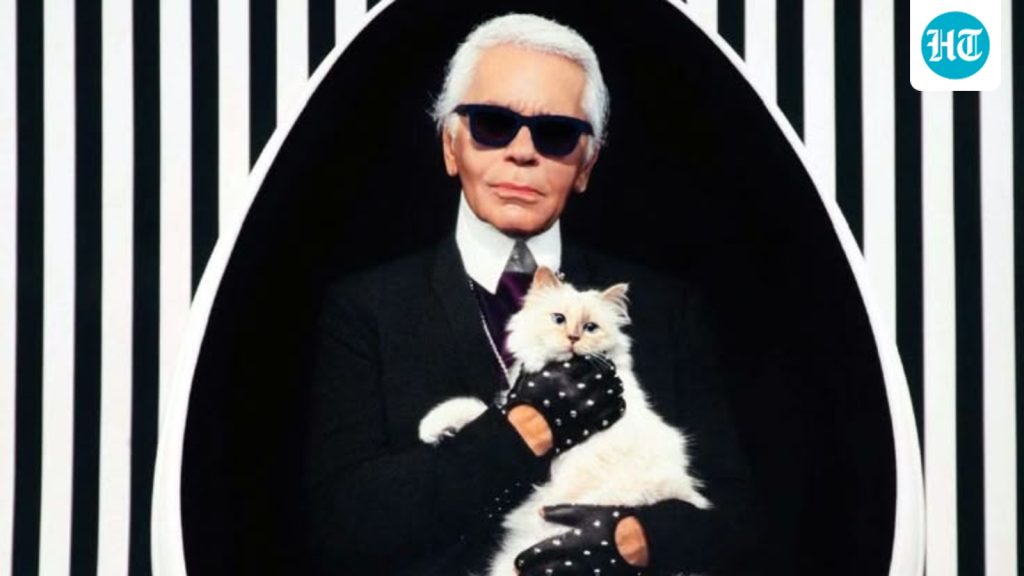
Karl Lagerfeld’s View on Competition and Creative Renewal
Bharatmorningnews.com – September 10 is the birthday of Karl Lagerfeld, a designer whose influence reached far beyond the runway. Known for his unmistakable personal style and relentless work ethic, Lagerfeld spent decades shaping the direction of modern luxury fashion as a designer, photographer and creative director.
Born in Germany, he entered the fashion world during the 1950s and developed experience at several major houses, including Balmain, Patou and Chloé. In 1983, he joined Chanel, beginning a defining chapter in his career. Over the years that followed, he helped turn the historic French label into one of the world’s most prominent luxury fashion brands, while also overseeing his own namesake label and pursuing a wide range of creative projects.
Lagerfeld was celebrated not only for his visual imagination but also for his sharp, often provocative observations about work, success and the need to remain restless. During the Women’s Wear Daily CEO Summit Leadership event in January 2013, he reflected on competition as a force that can keep creative people awake to change.
“Is there something healthier than competition? If not, you fall asleep and think success, and what you did, is granted. Nothing is granted in fashion, and this is what I love about fashion.”
Success is never a guarantee
His statement captures an important reality of fashion: recognition can be fleeting. A collection that feels influential in one season may quickly be overtaken by new ideas, emerging talent or changing consumer interests. In such an environment, a designer cannot rely solely on past achievements. Relevance has to be earned repeatedly through curiosity, discipline and the ability to evolve.
For Lagerfeld, competition did not appear to mean rivalry for its own sake. Instead, it was a reminder that creative industries demand attention and forward movement. When people become convinced that their position is secure, they may stop questioning their work. Familiar formulas can begin to replace experimentation, and confidence can quietly turn into complacency.
Fashion is especially vulnerable to that pattern because it moves through constant cycles of reinvention. Materials, silhouettes, cultural references and ideas of beauty all shift over time. Designers must respond to those changes while retaining a point of view that feels recognisably their own. This balance between renewal and identity was central to Lagerfeld’s long career.
A career built across fashion houses
Before taking charge at Chanel, Lagerfeld worked with influential names including Balmain, Patou and Chloé. His career was unusual in its breadth, as he was able to work across different brands while maintaining an individual creative presence. The range of his work reflected an understanding that fashion could be both an artistic pursuit and a fast-moving global business.
At Chanel, he was tasked with interpreting a house defined by Gabrielle “Coco” Chanel’s legacy. Rather than treating that history as a fixed set of rules, Lagerfeld found ways to revisit its familiar elements for new audiences. His approach demonstrated how an established brand can honour its past without becoming trapped by it.
That lesson remains useful outside the fashion world. Any profession can create pressure to repeat what has already worked. A business may lean too heavily on a successful product; a writer may return to the same style; a professional may rely on skills that were valuable years earlier. Lagerfeld’s words suggest that sustained achievement depends on staying engaged with what is changing around you.
Competition as a source of momentum
Healthy competition can encourage people to improve their skills and assess their assumptions. It can bring fresh standards into view and reveal where old habits are no longer enough. The point is not necessarily to defeat another person, but to avoid becoming passive in one’s own development.
In creative work, this can mean paying attention to new voices and unfamiliar perspectives. It can mean learning a new method, revisiting an unfinished idea or taking a risk that challenges an established reputation. In professional settings, it may involve adapting to new technologies, listening more carefully to clients or finding better ways to solve recurring problems.
There is also a personal dimension to Lagerfeld’s observation. Goals can be motivating, but reaching one should not have to signal the end of growth. A promotion, successful launch, acclaimed project or financial milestone may offer a sense of arrival, yet each can become a starting point for the next stage of learning.
Remaining curious in a changing world
Lagerfeld’s remark is ultimately a case for alertness. Fashion gave him an especially clear example of how quickly success can change, but the principle applies widely. Markets shift, audiences develop new expectations and talented newcomers bring ideas that challenge established figures.
Rather than viewing uncertainty only as a threat, his perspective frames it as a reason to stay imaginative. The absence of guarantees can make creative work demanding, but it can also keep it alive. When nothing is permanently assured, there is always room to improve, rethink and make something new.
On his birthday, Lagerfeld’s words remain a pointed reminder that achievement is not a permanent destination. Whether the aim is to build a career, lead a business, develop an artistic practice or pursue a personal ambition, continued curiosity may be one of the strongest protections against standing still.
Related Reading
Frequently Asked Questions
What is Quote of the day by Karl?
Quote of the day by Karl is the main topic of this guide. The article explains the context, practical details, and next steps readers should understand.
Why does Quote of the day by Karl matter?
Quote of the day by Karl matters because readers are looking for a useful answer, not just a short summary. Good content should match search intent and help them decide what to do next.