
Pride Day 2026: How genderfluid jewellery is moving beyond men’s and women’s sections
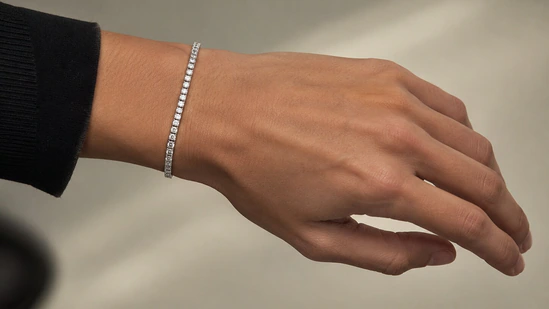
Pride Day 2026: Gender-Fluid Jewellery Trends
Bharatmorningnews.com – As Pride Day 2026 approaches, the celebration of queer identities continues to inspire innovation across industries. One notable shift is occurring in the world of jewellery, where gender-fluid designs are redefining traditional categories. Historically, jewellery has been divided into men’s and women’s sections, often reinforcing stereotypes about what is considered masculine or feminine. However, in 2026, the boundaries are blurring, and gender-fluid jewellery is emerging as a powerful symbol of self-expression and inclusivity. This trend reflects a broader cultural movement, where fashion is no longer confined by rigid gender norms, and the wearer’s personal style takes center stage.
Reimagining Identity Through Design
The evolution of gender-fluid jewellery is driven by a desire to challenge outdated conventions. For decades, jewellery was associated with specific roles—bold, industrial pieces for men and ornate, delicate items for women. This binary is now being questioned as more people embrace fluid identities. Brands are increasingly creating collections that transcend gender, offering pieces that can be worn by anyone regardless of their background. These designs often blend elements of both masculine and feminine aesthetics, such as minimalist geometric patterns paired with intricate detailing, allowing for a wider range of personal expression.
“Jewellery has long been a tool for projecting identity, but it’s time to move beyond rigid classifications,” said Disha Shah, founder of DiAi Designs. “Our 2026 collections are designed to be unisex, with pieces that can be worn in multiple ways and interpreted differently by each individual.”
Gender-fluid jewellery is not just about aesthetics; it’s a statement of empowerment. By removing the constraints of traditional gender roles, these designs empower wearers to define their own style. Whether it’s a sleek, modern pendant or a versatile stackable band, the focus is on the wearer’s choice rather than societal expectations. This approach aligns with the ethos of Pride Day 2026, where visibility and acceptance of diverse identities are celebrated through art, fashion, and culture.
Consumer Demand and Industry Adaptation
The growing popularity of gender-fluid jewellery is reshaping the industry. Retailers and brands are recognizing the need to cater to a more inclusive audience, leading to expanded collections and reimagined store layouts. In 2026, many jewellery stores are no longer segregating pieces by gender, instead grouping them based on style and occasion. This shift is not only making it easier for consumers to find items that resonate with their identity but also encouraging brands to innovate with new designs and materials.
“Pride Day 2026 has accelerated the adoption of gender-fluid jewellery, pushing the market to be more adaptable,” noted Shah. “We’ve seen a surge in demand for pieces like our men’s mangalsutra, which reinterprets a traditionally feminine accessory for a wider audience.”
With more people exploring gender-neutral options, the jewellery industry is responding by creating products that reflect this diversity. This includes not only design choices but also marketing strategies that highlight inclusivity. For instance, campaigns featuring non-binary models and showcasing jewellery in a variety of contexts help normalize the idea that fashion is a personal journey rather than a fixed category. As a result, gender-fluid jewellery is becoming a staple in both everyday wear and special occasions, symbolizing a more open and accepting society.
As Pride Day 2026 continues to gain momentum, the influence of gender-fluid jewellery extends beyond fashion. It’s a reflection of the cultural shift toward embracing fluid identities, where individuality is celebrated over conformity. The movement is also fostering a sense of community, as people find pieces that align with their personal narratives and share them with others. This creates a ripple effect, inspiring more brands and designers to experiment with gender-neutral styles and challenge the status quo.
Looking ahead, the future of gender-fluid jewellery in 2026 and beyond appears promising. As awareness of LGBTQ+ issues grows, so does the demand for inclusive products that cater to all identities. This trend is not only changing the way people interact with jewellery but also influencing broader fashion industries to adopt more flexible approaches. The result is a more vibrant and diverse market, where creativity and self-expression are at the forefront of design.