
Not your grandmother’s handloom: The designers, and Gen Z labels changing the craft forever
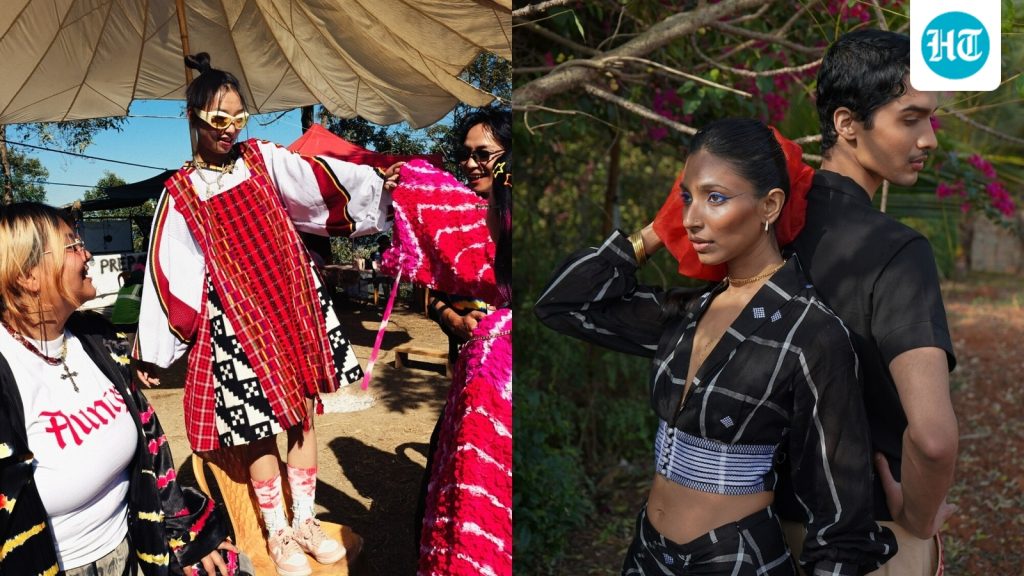
Handloom’s New Generation: Heritage Fabrics Meet Modern Style
Bharatmorningnews.com – For decades, National Handloom Day evoked memories of the past and celebrated traditional Indian textile artistry. Yet by 2026, a transformative movement has emerged within hand-woven textiles. Rather than clinging to elaborate ceremonial garments, emerging Gen Z brands and youthful designers are breathing fresh life into heritage materials. Through combining ancient weaving methods with urban streetwear shapes, sustainable upcycling practices, and practical everyday wear, these companies demonstrate that handloom transcends museum displays—it represents contemporary fashion’s most authentic statement.
NorBlack NorWhite: Bridging Cultures Through Textile Innovation
Positioned between Indian artisanal traditions and worldwide street fashion, NorBlack NorWhite has carved a distinctive niche. Mriga Kapadiya and Amrit Kumar, both originally from Toronto, relocated to India to establish direct partnerships with regional weaving communities. Their journey began with vibrant, double-sided Bandhani tie-dye ensembles, eventually expanding into a unique presence within the fashion landscape. Over recent years, the creative pair has developed notable partnerships with Nike, designed collections for artists including Raveena and Major Lazer, created pieces for Real Madrid’s Marcelo, and contributed to exhibitions at London’s Victoria and Albert Museum, all while maintaining their distinctive approach to Indian textile narratives.
Their handloom work has similarly evolved, transitioning into flowing, comfortable silhouettes that emphasize natural texture rather than chasing fleeting trends.
“We like to reinterpret handloom textiles through our own silhouettes, colour language, and way of dressing: from khadi cotton in Bengal and ikat in Telangana to the beautiful weaves of Northeast India,” says co-founder Amrit Kumar. “Our Eastern Horizon dress is one example. It brings together textiles woven on backstrap looms by a community of women in Lakhimpur, Assam, with splatter-dyed cotton khadi from Bengal in one version and ikat woven in Yadadri Bhuvanagiri, Telangana, in another. It becomes a conversation between the hands of the weavers and our own design point of view. It is also a personal favourite of mine and Mriga’s—we wear it almost like a uniform!”
RAFU’D: Ancestral Weaves for the Individualist Generation
Shaishavi Mehta’s label RAFU’D draws its name from the Urdu term meaning “mending,” merging traditional weaving techniques with bold visual storytelling—a fusion that appeals to young consumers seeking personal expression. Collaborating with skilled artisans in Bhujodi, Kutch, Mehta transforms indigenous handlooms using vivid color palettes and graphic elements rather than relying on conventional embroidery or heavy traditional patterns. She attributes her brand’s connection with Gen Z to how this demographic approaches handloom fashion.
“This generation wants contemporary silhouettes, bold colours and playful prints, but they also appreciate the texture, individuality and human touch of handloom. We come in at that intersection, making heritage textiles feel less intimidating and more expressive. More importantly, today’s younger consumers value transparency. They want to know who made their clothes and why certain materials were chosen. If there’s no story behind a garment, it’s simply not going to resonate with them,” says Mehta.
Tega Collective: Redefining Artisan Partnerships
Established by Niha Elety, Tega Collective—named for the Telugu word representing family—develops modern clothing alongside India’s Adivasi communities, challenging traditional fashion power structures through genuine collaboration. Elety emphasizes that cultural preservation holds equal weight to environmental responsibility, insisting that Indigenous craftspeople deserve recognition as creative collaborators rather than mere suppliers.
“I believe that cultural sustainability is just as important as environmental sustainability, and that Indigenous artisans should be recognised not as suppliers, but as creative partners,” says Elety. “Our goal is to build long-term economic opportunities for artisans while ensuring their knowledge, techniques, and stories continue to thrive for future generations. Handloom is a core part of our material philosophy.”
The label distinguishes itself through an inclusive design methodology: each collection emerges from complete co-creation with distinct artisan groups such as Karnataka’s Lambani artisans and Odisha’s Santhali community. This approach allows accumulated generational expertise to influence contemporary garment shapes. Materials including handwoven Khadi, wild Eri silk, and reclaimed textiles serve as foundations for international statement pieces ranging from structured corsets and wrap skirts to blazers and flowing cocktail dresses.
Paiwand Studio: Transforming Waste Into Heritage
Launched in 2018 by weaver and social entrepreneur Ashita Singhal, Paiwand Studio—derived from a local term meaning “patching” or “mending”—functions as an upcycling textile workshop. The studio converts pre-consumer fashion waste into handloom fabric, continuing the tradition of giving new life to existing materials through traditional weaving methods.
Related Reading
Frequently Asked Questions
What is Not your grandmother s handloom?
Not your grandmother s handloom is the main topic of this guide. The article explains the context, practical details, and next steps readers should understand.
Why does Not your grandmother s handloom matter?
Not your grandmother s handloom matters because readers are looking for a useful answer, not just a short summary. Good content should match search intent and help them decide what to do next.