
Karnataka Cabinet approves Agritech Mission 2026, 15,000 teacher recruitment, AI centre and major development projects
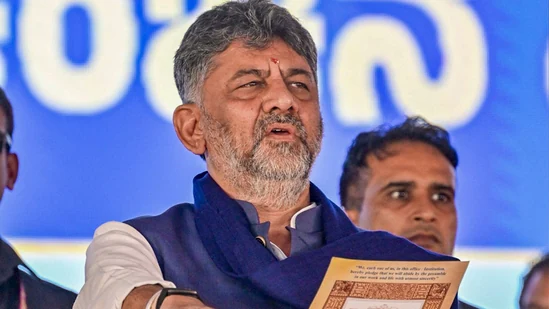
Karnataka Cabinet Approves Agritech Mission 2026 and Key Development Initiatives
Bharatmorningnews.com – On Sunday, the Karnataka Cabinet gave final approval to the Agritech Mission 2026, alongside several major initiatives including the recruitment of 15,000 new teachers, the establishment of an AI Centre of Excellence in Raichur, and significant infrastructure projects. These decisions, announced by Chief Minister D K Shivakumar, aim to bolster the state’s agricultural sector, education system, and technological capabilities. The mission underscores Karnataka’s commitment to integrating innovation with traditional farming practices to ensure sustainable growth and resilience in the face of climate challenges.
Transforming Agriculture with Agritech Mission 2026
The Agritech Mission 2026 is a cornerstone of the Cabinet’s agenda, designed to revolutionize agricultural productivity through the use of advanced technologies. By leveraging satellite data, drone-based monitoring, and predictive weather modeling, the mission seeks to provide farmers with real-time insights for optimal crop planning, pest management, and disease prevention. This initiative is expected to enhance yield efficiency and reduce resource wastage, addressing long-standing issues in rural farming communities. The Cabinet’s approval marks a strategic move to position Karnataka as a leader in digital agriculture across the country.
“The Agritech Mission 2026 is a game-changer for our farmers. It will bridge the gap between technology and tradition, ensuring they can compete globally,” stated Chief Minister Shivakumar during the announcement.
Additionally, the mission includes provisions for training agricultural workers in modern techniques and establishing regional innovation hubs. These efforts are part of a broader plan to address food security, create employment opportunities, and support rural livelihoods. The project will also integrate AI-driven analytics to predict market trends and assist in supply chain management, making it a holistic approach to agricultural transformation.
Education and Infrastructure Expansion
Alongside the Agritech Mission 2026, the Cabinet approved the recruitment of 15,000 teachers to strengthen the state’s education infrastructure. This decision is anticipated to improve the quality of teaching and address the shortage of qualified educators in schools and colleges. The new hires will focus on enhancing learning outcomes, especially in underserved regions, and aligning curricula with emerging industry needs. This step reflects Karnataka’s dedication to building a robust educational ecosystem that prepares students for future challenges.
Infrastructure development was another key priority. The Cabinet allocated ₹25 crore for road upgrades in Kalaburagi and ₹180 crore for the Karanja Right Bank Canal project in Bidar. These investments aim to improve connectivity and water management, which are critical for both urban and rural development. In Mysuru district, ₹70 crore was approved for flood mitigation and river conservation works in Nanjangud, further emphasizing the state’s focus on climate adaptation strategies.
Further, a drinking water and groundwater recharge project in Hiriyur taluk, Chitradurga, was sanctioned for ₹244 crore. This initiative will enhance water resource management by connecting 116 tanks to the Gayatri Reservoir, ensuring sustainable supply during dry seasons. The combination of agricultural, educational, and water-related projects highlights Karnataka’s multi-dimensional approach to development.
Administrative and Legal Reforms
The Cabinet also took action on administrative and legal matters. One notable decision was the suspension of KPSC Chairman Shivashankarappa S Sahukar, who faced allegations of irregular appointments. The Governor, Thaawarchand Gehlot, recommended referring the case to the Supreme Court under Article 317(1) for thorough scrutiny. While the suspension was initially criticized for being premature, Shivakumar defended the move, citing adherence to judicial guidelines and procedural correctness.
Shivakumar clarified that the decision to suspend Sahukar was not influenced by pending court cases but by existing legal frameworks. He emphasized that the process followed was transparent and aligned with the state’s administrative protocols. This action has sparked discussions about the balance between accountability and governance in state departments, particularly in the context of the Agritech Mission 2