
Internet suspended in Rajasthan’s Karauli amid Gurjar-Meena row over Panchana dam water
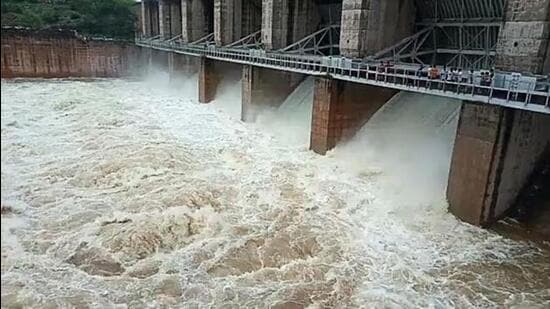
Internet Suspended in Rajasthan’s Karauli Amid Gurjar-Meena Water Dispute Over Panchana Dam
Escalating Tensions and Connectivity Cut
Bharatmorningnews.com – Internet suspended in Rajasthan s Karauli has sparked immediate concern as mobile connectivity was abruptly halted in the district following a surge in community tensions between the Gurjar and Meena groups. The conflict, which has been simmering over water distribution from the Panchana dam, escalated into a full-blown dispute after inflammatory social media messages began to circulate, intensifying emotions among the local population. The decision to suspend internet services was made to prevent further escalation, with authorities aiming to control the situation by restricting access to divisive content until Thursday night. This move has drawn attention to the growing role of digital platforms in fueling regional conflicts and raising questions about the balance between free speech and public order.
“The internet suspension was a preventive measure to curb the spread of provocative messages between the Gurjar and Meena communities,” explained Nalini Kathotia, the Divisional Commissioner of Bharatpur. She highlighted that the conflict had reached a critical stage, with social media becoming a key battleground for the two groups. The decision to block connectivity was made in collaboration with local police to ensure a swift resolution to the growing unrest.
Protest Movements and Water Allocation Controversy
The Gurjar community, led by local activists and village leaders, took to the streets of Karauli on Wednesday, organizing roadblocks and demonstrations to demand accountability from the Meena group. Their argument centered on the perception that the Panchana dam’s water distribution had favored certain areas, leaving others without adequate access for agricultural use. Meanwhile, Meena representatives in Kusay village of Sawai Madhopur’s Gangapur City subdivision emphasized that the dam’s gates had not been operational for over two decades, and the current disruptions were due to technical glitches rather than deliberate allocation bias. This divide has deepened as both communities accuse each other of misinformation, with the internet suspension serving as a symbolic gesture in their ongoing standoff.
“The Meena community has been unfairly portrayed in social media posts, which have sown mistrust among the Gurjar farmers,” said Roop Singh Gurjar, a prominent Gurjar leader. He accused Meena representatives of downplaying the impact of the water shortage and urged the government to intervene. In response, Meena’s Agriculture Minister Kirori Lal Meena called the allegations “baseless” and emphasized the need for transparency in addressing the dam’s operational challenges.
Technical Issues and Government Response
Officials have confirmed that the Panchana dam’s water supply problems stem from technical difficulties during the initial operation of its gates. Krishan Kunal, Secretary of the Rural Development Department, noted that these issues are being actively resolved to prevent future disruptions. Water Resources Minister Suresh Rawat added that a high-level team has been assigned to inspect the dam and rectify any faults within seven days. This timeline was outlined during a meeting with farmers and officials in Gangapur City, where Rawat promised to demonstrate the gates’ functionality and ensure a stable water flow to agricultural regions.
“We are committed to resolving the technical issues and providing water to both the command and catchment zones without bias,” Rawat stated. His comments came after a late-night discussion with protest leaders, which led to a temporary agreement to withdraw the sit-in. However, the agreement did not address the root cause of the dispute, leaving the Gurjar community dissatisfied and vowing to take further action.
Impact on Daily Life and Community Relations
The suspension of internet services has had a ripple effect on daily life in Karauli, disrupting communication for residents and complicating efforts to coordinate protest activities. Local businesses have reported a decline in transactions, while farmers struggled to access real-time information about water availability and crop management. This has intensified the frustration of the Gurjar community, who argue that the internet shutdown is a tool to silence their grievances. Meanwhile, the Meena group has maintained that the dam’s operations are critical for the region’s water security and that technical issues must be resolved before attributing blame to specific communities.
“Without internet, the Gurjar community’s voice is muted, but their demands remain valid,” said Vijay Bainsla, a Gurjar leader who participated in a mahapanchayat at Gudla village. He emphasized that the 24-hour ultimatum issued during the gathering was a response to the lack of resolution. “We will not rest until the individuals responsible for spreading divisive content are held accountable,” he warned, calling for the arrest of those who had incited the unrest.
Broader Implications for Regional Stability
The Panchana dam dispute has highlighted the fragile nature of inter-community relations in Rajasthan, where water rights often become a flashpoint for long-standing tensions. With the internet suspended in Rajasthan s Karauli, the situation has been amplified, underscoring the importance of digital communication in modern conflicts. Experts warn that such disputes, if left unresolved, could spill over into broader political and social instability, particularly in regions where agricultural livelihoods are tied to water access. The government’s response, while focused on technical fixes, has been criticized for not adequately addressing the social and political dimensions of the issue.
As the situation continues to unfold, the focus remains on the Gurjar-Meena row and its impact on daily life. The internet suspension in Rajasthan s Karauli serves as a reminder of how critical infrastructure can be both a lifeline and a catalyst for conflict. With the dam’s role in sustaining agriculture, the resolution of this dispute will have far-reaching consequences for the region’s economy and social cohesion. The coming days will be crucial in determining whether the temporary measures will restore calm or escalate into a prolonged crisis.