
India summons senior-most Iranian diplomat after Indian sailor killed in Strait of Hormuz
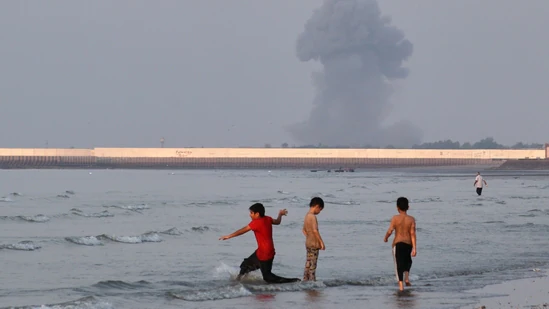
India Summons Senior Iranian Diplomat Over Sailor’s Death in Hormuz Attack
Bharatmorningnews.com – India has summoned its senior-most Iranian diplomat in response to the tragic incident in which an Indian sailor was killed during an Iranian missile strike on two oil tankers in the Strait of Hormuz. The attack, which occurred on Tuesday, has raised significant concerns about the safety of Indian maritime personnel and the escalating tensions between India and Iran. The move underscores India’s determination to address the situation and hold Iran accountable for the loss of life and injuries sustained by the crew members.
Attack on Oil Tankers and Casualties
The attack targeted the Mombasa and Al Bahiyah tankers while they were navigating the southern shipping lane of the Strait of Hormuz, within Omani waters. Iranian cruise missiles struck the vessels, causing fires that were later extinguished. The incident resulted in the death of one Indian sailor and injuries to eight others, including four who suffered severe wounds, according to the UAE defense ministry. Among the injured, six were Indian nationals, highlighting the personal impact of the attack on India’s maritime workforce.
“The attack has caused a major setback for maritime security in the region and has deepened India’s concerns regarding Iran’s actions against merchant ships,” said a statement from the UAE defense ministry. The ministry emphasized that the strike was a “serious violation of international law” and called for immediate measures to protect Indian and other national interests in the area.
Geopolitical Implications and Past Incidents
India’s decision to summon the Iranian deputy chief of mission, Mohammad Javad Hosseini, follows a pattern of diplomatic engagement aimed at addressing Iran’s alleged aggression in the strategic waterway. This move comes amid heightened regional tensions, which have been exacerbated by a series of attacks on commercial vessels in the past weeks. Notably, two days prior to the Hormuz incident, an Iranian strike on the Cyprus-flagged container ship GFS Galaxy left an Indian crew member missing, further intensifying the situation.
“The ongoing attacks have not only disrupted trade but also raised alarms about the safety of Indian seafarers in the region,” noted a statement from India’s external affairs ministry. The country’s maritime trade, which relies heavily on the Strait of Hormuz for transporting oil and gas, has been under threat, with fourteen Indian nationals already killed in the West Asia conflict since the US and Israel’s February 28 strikes on Iran.
India’s Stance on Regional Stability
India has reiterated its demand for a swift de-escalation of tensions and a diplomatic resolution to ensure peace in the region. The country is advocating for a ceasefire between Iran and the US, which it believes is crucial for stabilizing the area and protecting the interests of all nations. The external affairs ministry emphasized that the attacks threaten the fragile truce that has been in place, urging both parties to engage in dialogue rather than resort to military action.
Additionally, India has called for increased cooperation with the UAE and other regional partners to monitor and secure the Strait of Hormuz. The ministry highlighted the importance of maintaining safe passage for commercial ships, which is vital for India’s economy and global supply chains. The incident has also drawn attention to the role of Iran in regional conflicts, with India positioning itself as a key player in promoting stability and mutual understanding.
Humanitarian Concerns and Diplomatic Pressure
The death of the Indian sailor has sparked humanitarian concerns and intensified diplomatic pressure on Iran. India’s external affairs ministry expressed deep sorrow over the loss and stressed the need for Iran to take responsibility for the incident. The country has also sought to highlight the human cost of the attacks, emphasizing that the lives of seafarers should be protected in the interests of global trade and cooperation.
“India’s summoning of the senior Iranian diplomat is a clear signal that we will not remain passive in the face of such aggression,” stated an official spokesperson. The ministry is hopeful that the gesture will pave the way for a constructive conversation and a resolution that addresses India’s security concerns while maintaining regional stability.
Conclusion: A Call for Continued Engagement
As the situation in the Strait of Hormuz continues to evolve, India’s actions demonstrate its commitment to safeguarding its maritime interests and fostering diplomatic relations with Iran. The incident serves as a reminder of the delicate balance required in international affairs, particularly in regions where economic and strategic interests intersect with security challenges. By summoning its senior-most Iranian diplomat, India aims to reinforce its position as a key stakeholder in the region and ensure that Iran’s actions align with international norms and agreements.