
India in Sri Lanka: An away series that feels like a home audit
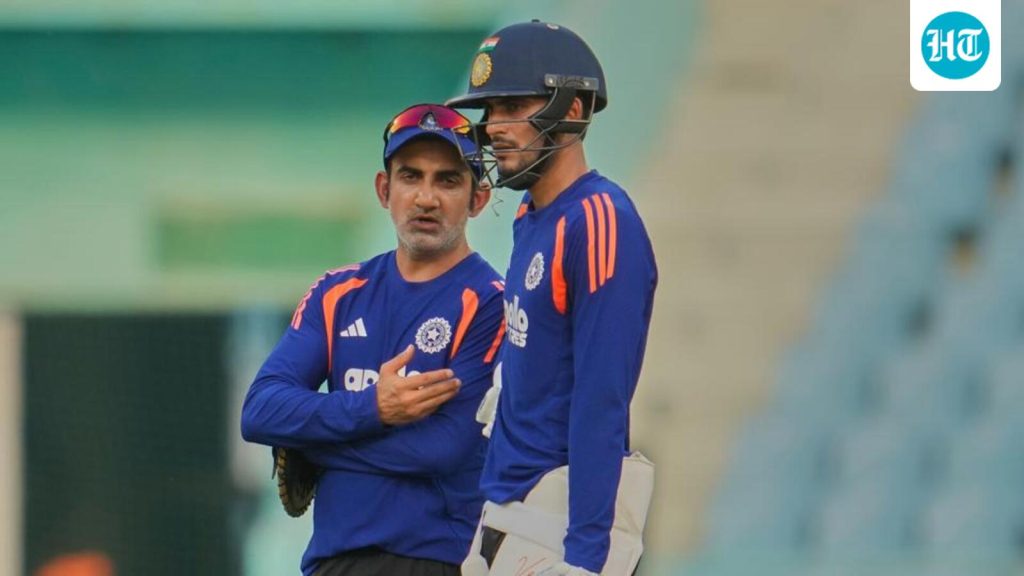
India’s Sri Lanka Tour: A Familiar Ground, New Challenges
Bharatmorningnews.com – Kolkata: For nearly twenty years, India’s Test visits to Sri Lanka occupied a peculiar position in the cricketing calendar. Though classified as an overseas journey, the experience rarely carried that feeling. The visiting team arrived with assurance, well-acquainted with both the terrain and their opponents. Meanwhile, Sri Lanka navigated a challenging period following their golden era, with their struggles becoming increasingly apparent during each Indian visit.
The 2017 expedition proved particularly one-sided. India secured commanding victories across all three venues—dominating Galle by 304 runs, winning in Colombo by an innings and 53 runs, and completing a comprehensive triumph in Pallekele by an innings and 171 runs. Each match resembled less a genuine contest and more a showcase of the growing distance between these neighboring cricket nations.
The Shifting Balance
During those years, Sri Lanka’s downward trajectory seemed to parallel India’s ascent. Yet few anticipated that within less than ten years, the dynamic would transform considerably. This isn’t because Sri Lanka have emerged as dominant forces. Instead, India now harbor a weakness that has grown impossible to overlook—they no longer command spin bowling with the mastery that once characterized their game.
The timing carries significance. Home advantage in Sri Lanka has regained its meaning. Four wins from six home Tests across the previous three years, while a modest sample, indicates a team rediscovering the power of familiar surroundings. Central to this resurgence is Prabath Jayasuriya, a left-arm orthodox spinner whose primary asset isn’t mystery but unwavering belief. His tally of forty-one wickets across thirteen innings demonstrates a bowler who comprehends precisely what local surfaces require. He bowls with patience, attacks with purpose, and allows doubt to surface naturally.
India’s Spin Vulnerability
Against the current Indian batting lineup, that uncertainty arrives quickly. Previously, India’s premier batters handled spin with effortless assurance, their feet moving instinctively while soft hands absorbed the turn. Runs accumulated almost imperceptibly before boundaries materialized. That confidence has evaporated rapidly.
India’s home series loss to New Zealand in 2024 proved shocking not just for the result but for how it unfolded. Ajaz Patel, another left-arm orthodox spinner, repeatedly highlighted technical hesitations that would have seemed inconceivable for an Indian batting order on home soil even ten years prior. Then in 2025, Simon Harmer achieved comparable success using off-breaks to pose straightforward questions to batters as South Africa secured a 2-0 victory. The pattern resists dismissal as mere coincidence.
India’s relationship with spin has undeniably evolved. Patience as a strategy has fallen out of favor. The confident stride down the pitch has been supplanted by a hesitant shuffle. The assurance of playing late has yielded to indecision between front and back foot. Sweeps transformed from scoring tools into emergency measures. At times, Indian batters seem to navigate spin as visitors to territory they once controlled.
Underlying Causes
The explanations run deep. Domestic competition pitches have transformed. White-ball cricket has reshaped techniques. Preparation increasingly centers on overseas fast bowling, which remains cricket’s ultimate frontier. Somewhere in this transition, the traditional defense against spin began weakening. This makes the current series one of cricket’s more compelling paradoxes.
Formally, India are touring abroad. Practically, they face an assessment in conditions integral to their cricketing heritage. This represents an away series that resembles a home examination. That reality adds unusual significance to a contest spanning merely two Tests.
For Shubman Gill, still establishing himself as India’s Test captain, Sri Lanka offers more than another fixture. Every new leader eventually encounters a series that exposes not just tactical understanding but emotional leadership. Gill inherits a squad positioned between different generations and identities. The task extends beyond replacing accomplished players to restoring certainty where hesitation has taken root.
Runs will certainly count. Equally important will be how his team responds if Jayasuriya begins controlling sessions as Patel did previously. Gautam Gambhir confronts an equally revealing period. With India’s performance evaluation apparently delayed, the head coach enters the series under heightened scrutiny. In the absence of off
Related Reading
Frequently Asked Questions
What is India in Sri Lanka?
India in Sri Lanka is the main topic of this guide. The article explains the context, practical details, and next steps readers should understand.
Why does India in Sri Lanka matter?
India in Sri Lanka matters because readers are looking for a useful answer, not just a short summary. Good content should match search intent and help them decide what to do next.