
‘Imperative to identify, isolate dimaagi Naxals’: PM Modi in Independence Day speech
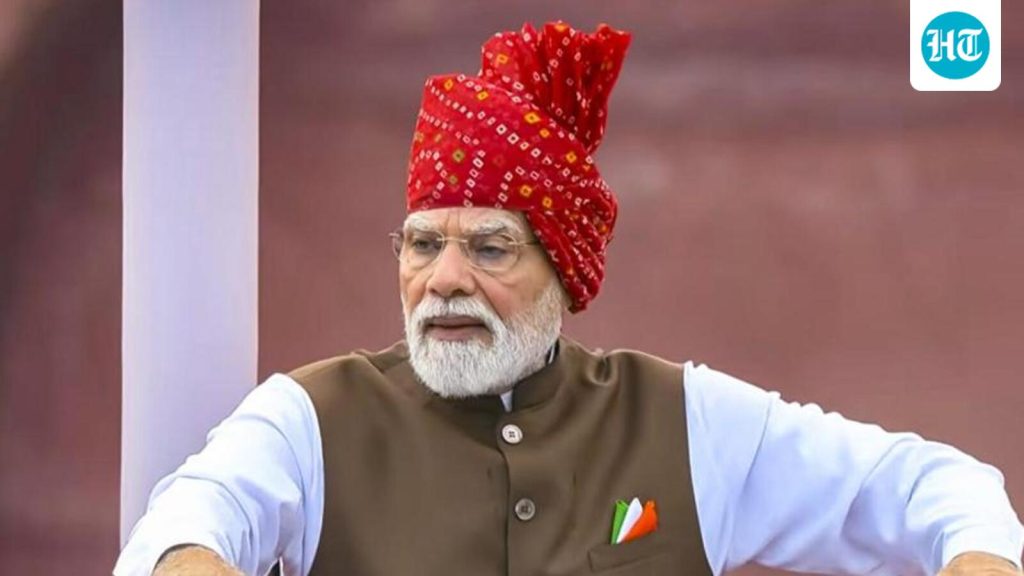
PM Modi Stresses Imperative to Identify Isolate Dimaagi Naxals in Independence Day Address
Bharatmorningnews.com – Prime Minister Narendra Modi on Saturday emphasized that it is imperative to identify isolate dimaagi Naxals, warning against what he termed “dimagi Naxals” (intellectual Naxals). While acknowledging the government’s victory over armed Maoists, he cautioned that individuals sympathetic to the ideology continue seeking opportunities to influence and “brainwash” the younger generation. The Prime Minister stressed the need to identify and isolate these intellectual Naxals while strengthening connections with youth toward building a developed India.
“LWE extremism destroyed the future of lakhs of youths. Naxal violence and ideology snatched the children of so many mothers. This Naxal violence, for many decades, had controlled a large part of the country and ruled by the gun.”
From Armed Conflict to Ideological Challenge
Addressing the nation from the historic Red Fort on Independence Day, the Prime Minister highlighted that Maoists historically rejected the Constitution, with thousands of security personnel and police officers losing their lives in the struggle against the insurgency. He recalled the 2014 vow to end Naxalism, noting that where Maoist bullets once echoed, today the tricolour of development, trust, and effort flies proudly.
However, PM Modi cautioned against underestimating the ongoing challenge. For years, individuals harboring Maoist ideology had established themselves within the country’s intellectual corridors, serving on government committees and as advisers, thereby influencing policies. While armed Naxalism has been subdued in the jungles, the Prime Minister observed that “dimagi Naxals” remain vigilant, seeking opportunities to spread their ideology.
India Declared Naxal-Free: A New Era of Vigilance
The government officially declared India Naxal-free on March 30, 2026, with no Naxal-affected districts remaining in the country today. During the mid-2000s peak of LWE violence, more than 120 districts operated under parallel Naxal governance systems. Even as the Centre celebrates this milestone, security forces maintain their presence in hotspot areas to prevent citizens from being influenced to take up arms once again.
Read more: India’s security landscape evolution
Modern Civil Defence Network for Contemporary Challenges
PM Modi announced the establishment of a robust and modern civil defence volunteer network, emphasizing that India must be prepared for both internal and external challenges. The Prime Minister explained that the nature of warfare is evolving, with conflicts no longer confined to borders but potentially targeting critical infrastructure such as refineries, banking sectors, and data centres within the country.
“I announce today that we will build a vibrant Civil Defence network in the coming days. We will familiarise them with modern systems. What measures can protect citizens from modern-day challenges? We are going to create a large modern Civil Defence volunteer force capable of overcoming contemporary challenges.”
During Operation Sindoor, the government engaged the Directorate General (Fire Service, Civil Defence & Home Guards), a federal agency under the Home Ministry, to conduct mock drills nationwide and mobilize civil defence volunteers. Following the brief military conflict with Pakistan, the agency is updating its “vintage” drill manuals and enrolling additional volunteers through the Ministry of Youth Affairs and Sports.
Officials revealed that approximately 5.95 lakh civil defence volunteers are currently registered, with over 100,000 citizens submitting applications through various portals after Operation Sindoor. In a July 29 parliamentary response, the government outlined key lessons including modernization of the Air Raid Warning System, enhanced training for volunteers, enrollment from diverse backgrounds, and community awareness initiatives. Training courses for civil volunteers have intensified significantly since Operation Sindoor in 2025.
The Directorate General, Civil Defence was established by the Ministry of Home Affairs on November 17, 1962. Civil defence volunteers continue to assist the government during wartime, with their responsibilities spanning peace time and preparatory phases.
Frequently Asked Questions
What are dimaagi Naxals according to PM Modi?
Dimaagi Naxals, or intellectual Naxals, are individuals who harbor Maoist ideology and have established themselves in intellectual and policy-making circles. Unlike armed Naxals, they influence through ideas, policies, and by attempting to “brainwash” the youth rather than through violence.
When was India officially declared Naxal-free?
The government declared India Naxal-free on March 30, 2026, marking the end of Naxal-affected districts in the country after decades of struggle against Left Wing Extremism.
What is the current strength of civil defence volunteers?
There are currently around 5.95 lakh (approximately 600,000) civil defence volunteers registered across India, with the government actively enrolling more citizens following Operation Sindoor.
What new challenges does the civil defence network address?
The modern civil defence network addresses contemporary threats including attacks on critical infrastructure such as refineries, banking sectors, and data centres, recognizing that modern warfare can occur within the country’s borders.