
HC refuses to entertain plea for FIR, CBI probe against Justice Yashwant Varma
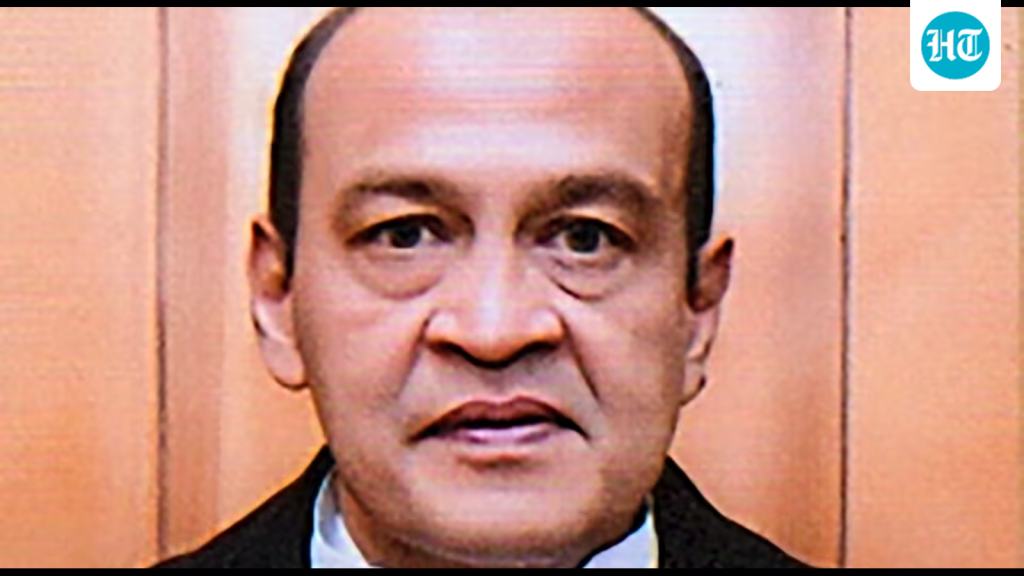
Delhi High Court Declines Plea for FIR and CBI Inquiry Into Justice Yashwant Varma Case
Bharatmorningnews.com – The Delhi high court has declined to take up a petition demanding registration of an FIR and a Central Bureau of Investigation inquiry over allegations involving unaccounted cash at the official residence of former Allahabad high court judge Justice Yashwant Varma.
Justice Amit Bansal, hearing the matter on Monday, allowed petitioner and advocate Ghanshyam Upadhyay to withdraw his request. The petition had sought both an FIR and the formation of a special investigation team to examine the alleged cash recovery in Delhi in March 2025.
“You have nothing better to do? I am dismissing it,”
The bench described the petition as a “wild witch hunt” and indicated that Upadhyay had other legal remedies available. It also questioned his standing, or locus, to bring the case before the high court.
Petitioner’s Arguments and Government Response
Upadhyay argued that a magistrate or special court would not be sufficiently competent to deliver justice in a matter of this nature. He urged the court to intervene directly and order a criminal case and investigation.
Premtosh Kumar Mishra, appearing as standing counsel for the government, the CBI and Delhi Police, opposed the plea. Mishra submitted that the petitioner lacked the legal standing needed to pursue the matter and had an alternative remedy under the law.
He also noted that Upadhyay had previously moved the Supreme Court for substantially similar relief. That petition was dismissed, and no permission was granted for him to subsequently approach the high court on the same issue.
The high court’s decision does not resolve the wider questions raised by the allegations. Instead, it addresses the specific petition and the legal route selected by its petitioner. The court’s observations stressed that public-interest claims involving criminal action must satisfy requirements relating to jurisdiction, standing and available statutory remedies.
Cash Allegations Emerged After Fire at Official Residence
The controversy began after a fire at Justice Varma’s official residence during his tenure at the Delhi high court. Videos that purportedly showed bundles of currency notes burning later came into public view.
Justice Varma and his wife were travelling in Madhya Pradesh when the fire occurred. His daughter and elderly mother were present at the residence at the time.
Justice Varma has consistently denied any involvement with the money. He maintained that neither he nor any member of his family had placed cash at the location.
The case attracted unusual public attention because it concerned a serving member of the higher judiciary and raised questions about the institutional mechanisms used to examine allegations against judges. The matter proceeded through the judiciary’s internal process before also reaching Parliament.
In-House Inquiry and Removal Process
Then Chief Justice of India Sanjiv Khanna set up a three-member in-house inquiry committee to examine the allegations. The committee submitted its findings in May 2025 and found Justice Varma’s explanation unsatisfactory.
After receiving the report, CJI Khanna asked Justice Varma either to resign or face impeachment proceedings. Justice Varma declined to resign at that stage.
The inquiry report, together with Justice Varma’s response, was then sent to the President and the Prime Minister. CJI Khanna recommended that the constitutional process for removal be initiated.
Justice Varma was subsequently sent back to his parent Allahabad high court. Judicial work was withdrawn from him while further action remained pending.
These developments illustrate the distinct paths that may arise when allegations concern a high court judge. An in-house inquiry may assess the matter internally, while removal from office follows a constitutional and parliamentary procedure. A criminal investigation, meanwhile, involves separate legal questions and cannot automatically be directed merely because an internal inquiry has taken place.
Parliamentary Proceedings and Resignation
In 2025, the Lok Sabha admitted a motion seeking removal proceedings and formed an inquiry committee. The Rajya Sabha did not admit a parallel motion, citing procedural infirmities.
Justice Varma resigned in April while the parliamentary inquiry was in progress. The parliamentary committee nevertheless continued to examine the issues placed before it.
In August, the three-member inquiry committee concluded that Justice Varma’s explanation concerning the alleged unaccounted currency found at his official residence was “evasive” and “misleading”.
The Delhi high court’s refusal to entertain Upadhyay’s petition leaves the legal position of that specific request clear: the court was not prepared to order an FIR, CBI investigation or special investigation team through the petition presented before it. The broader institutional record includes the internal inquiry, the attempted parliamentary removal process, the withdrawal of judicial work and Justice Varma’s eventual resignation.
For readers, the case demonstrates why separate legal mechanisms matter. Judicial accountability proceedings, parliamentary removal motions and criminal investigations may concern the same underlying events, but each follows its own procedure, threshold and decision-making authority. The high court’s order focused on those procedural limits while declining to open the investigation sought by the petitioner.
Related Reading
Frequently Asked Questions
What is HC refuses to entertain plea for FIR?
HC refuses to entertain plea for FIR is the main topic of this guide. The article explains the context, practical details, and next steps readers should understand.
Why does HC refuses to entertain plea for FIR matter?
HC refuses to entertain plea for FIR matters because readers are looking for a useful answer, not just a short summary. Good content should match search intent and help them decide what to do next.