
Doomscrolling before bed every night? Neurologist warns it may leave you mentally foggy
Doomscrolling Before Bed: Neurologist Warns of Mental Fog
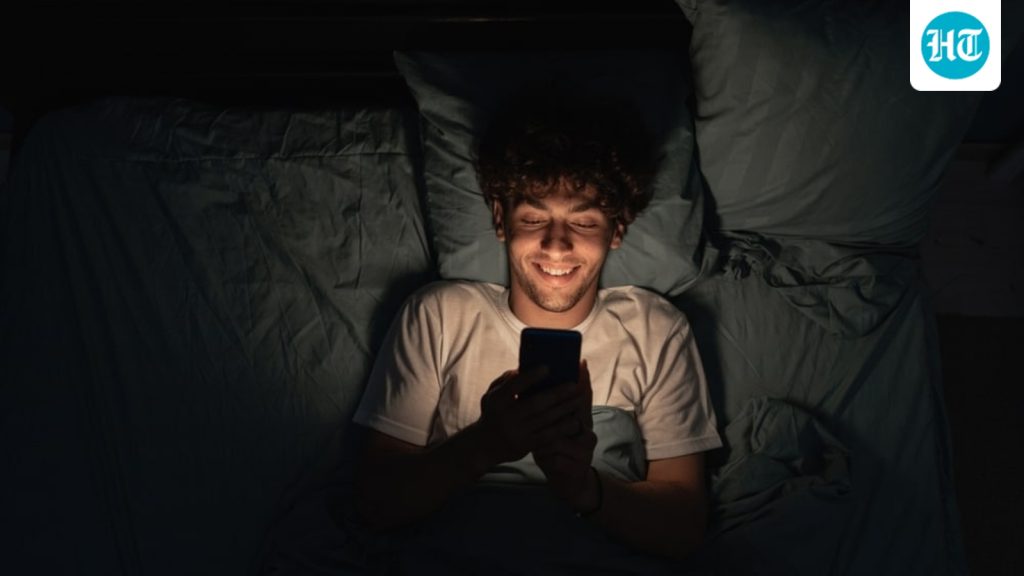
Bharatmorningnews.com – Doomscrolling before bed every night has become the default wind-down ritual for millions of smartphone users, and a Mumbai neurologist says the habit is quietly degrading the brain’s ability to recover. Picture the scene: it is past midnight, the phone screen casts a cold glow across the pillow, and each swipe delivers another fragment of catastrophe, outrage, or anxiety. The user tells themselves one more feed will be the last. It never is. By the time the screen finally dims, the mind is still racing, and the night’s sleep — when it arrives at all — arrives shallow and fractured.
The term “doomscrolling” describes the compulsive, anxiety-driven consumption of negative or overwhelming digital content, and it has moved from a niche social-media gripe into a recognised public-health concern. Clinicians now flag the nightly repetition of this behaviour as a driver of morning cognitive impairment: slowed processing, fragmented memory, and emotional volatility that persist well past the first cup of coffee.
What Happens Inside the Brain
Dr Sreelaksmi N, consultant neurologist and epileptologist at SL Raheja Hospital in Mahim, Mumbai (a Fortis Associate facility), has studied how sustained information overload reshapes neural pathways over time. Asked specifically about pre-sleep scrolling, she identified a two-pronged mechanism — chemical disruption compounded by physiological fatigue.
“Too much doomscrolling also interferes with the brain’s capacity to recharge itself.”
Every headline, image, and notification triggers cascades of neurotransmitter release and synaptic firing. Without genuine intervals of idleness — stretches where no new stimulus arrives — those cascades never fully resolve. The tissue remains locked in a state of low-grade activation, unable to enter the restorative cycles it depends on for memory consolidation and emotional regulation.
The Melatonin Disruption
Layered atop the cognitive overload is a pharmacological insult. Screens emit short-wavelength blue light that suppresses the pineal gland’s secretion of melatonin, the hormone signalling to the body that darkness has fallen and sleep should begin. Dr Sreelaksmi detailed the downstream consequences in blunt terms:
“Exposure to blue light during night-time scrolling decreases the production of melatonin, leading to poor sleeping habits. Sleep deprivation is linked to poor memory function, poor decision-making capabilities, mood instability, and cognitive dysfunction in general. Many people observe that they have become forgetful and irritable, even after spending many hours consuming information.”
The underlying chronobiology is well established. Melatonin onset typically occurs roughly ninety minutes before habitual sleep time. Blue-light exposure in the final hour before bed can delay that onset by thirty to sixty minutes or more, compressing the window through which the brain transitions from wakefulness into slow-wave sleep. The result is not merely a shorter night’s rest but a qualitatively poorer one — less deep sleep, more micro-arousals, and a morning that feels like waking from a shallow, interrupted nap rather than a restorative cycle.
The Compounding Loop
The danger, Dr Sreelaksmi notes, is that effects compound night after night. Distressing content — war footage, economic panic, political vitriol — activates the sympathetic nervous system, raising cortisol and heart rate. Blue light simultaneously blunts the melatonin signal. Deprived of both emotional calm and hormonal permission to sleep, the brain stays wired. The next morning arrives with fog: slowed processing speed, impaired working memory, heightened irritability, and a persistent sense of mental exhaustion that no amount of caffeine fully reverses. That fogged state, in turn, makes the evening scroll feel like the only available escape, tightening the loop.
The neurologist is explicit that she is not advocating a total digital fast. Occasional evening browsing — checking a recipe, reading a chapter, a few minutes of light content — is unlikely to produce measurable harm. The risk escalates with duration, frequency, and the emotional valence of the material. Habitual, late-night, negativity-heavy scrolling is what tips the balance.
“The brain functions optimally if it gets time to rest, exercise, communicate face-to-face, and sleep undisturbed.”
In practical terms, that principle translates into a handful of boundaries: a hard stop on screens at least sixty to ninety minutes before intended sleep; a dim, warm-toned room once the wind-down period begins; and a physical separation between the bed and the phone charger so the device is out of arm’s reach when lights go out.
Frequently Asked Questions
How long before bed should I stop doomscrolling to protect my sleep?
Dr Sreelaksmi’s guidance aligns with broader sleep-medicine literature: aim for a sixty-to-ninety-minute screen-free window before you intend to fall asleep. This gives melatonin its natural onset time and allows the sympathetic nervous system to downshift.
Is all evening phone use equally harmful?
No. Brief, low-arousal browsing (a recipe, a short article, a few minutes of neutral content) carries minimal risk. The harm scales with duration, how late the session runs, and how emotionally charged the material is. A twenty-minute scroll through calm content is categorically different from an hour of conflict headlines at 1 a.m.
Can I reverse the morning fog once it has set in?
Partial recovery is possible — daylight exposure, light physical activity, and structured breathing can lower residual cortisol and sharpen attention within an hour or two. Full restoration, however, requires several nights of uninterrupted, melatonin-supported deep sleep. Consistency matters more than any single intervention.
Do blue-light glasses solve the problem?
They reduce one variable — short-wavelength light reaching the retina — but they do not address the cognitive and emotional arousal generated by the content itself. Glasses are a partial mitigation, not a substitute for putting the phone down.