
‘Cockroaches stay in gutter’: Andhra deputy CM Pawan Kalyan reacts to CJP craze
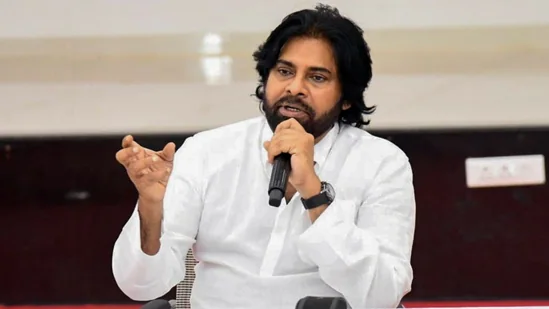
Cockroaches in Gutter: Pawan Kalyan Reacts to Youth Political Movement
Bharatmorningnews.com – In a recent public statement, Andhra Pradesh Deputy Chief Minister and Jana Sena Party leader Pawan Kalyan addressed the growing trend of the Cockroaches Stay in Gutter movement, which has gained traction as a symbol of youth discontent in Indian politics. The phrase, rooted in a critique of the Chief Justice of India Surya Kant’s remarks about certain groups, has been embraced by young activists as a rallying cry. Kalyan’s response highlights the evolving role of youth in shaping political discourse, emphasizing their ability to challenge traditional narratives and demand accountability.
Roots of the Youth Movement
The Cockroaches Stay in Gutter movement, often referred to as the CJP craze, emerged as a satirical yet potent representation of younger citizens’ frustrations with the status quo. Initially a lighthearted take on Surya Kant’s use of the term “cockroach” to describe groups that persist in the margins of society, it has since transformed into a platform for youth-led advocacy. Kalyan acknowledged the movement’s resonance, noting its ability to reflect a collective yearning for change in a system perceived as outdated or resistant to modern ideals.
“Cockroach is the one that stays in the gutter… so maybe that’s how we understand their pain,” Kalyan remarked during a recent interview, illustrating the movement’s metaphorical significance. His comments underscore the idea that this generation is not merely reacting to politics but redefining it through a lens of transparency and urgency.
While the movement is not officially affiliated with any single political party, its popularity has sparked discussions about the broader implications of youth-driven activism. Kalyan pointed out that such platforms often serve as a bridge between generational aspirations and institutional frameworks, offering a unique space for dialogue and dissent. This dynamic has prompted a reevaluation of how political leaders engage with younger voters, who are increasingly leveraging social media to amplify their voices.
Political Evolution and Youth Engagement
Historically, political movements in India have been driven by generational shifts, and Kalyan believes the Cockroaches Stay in Gutter trend is no exception. He noted that the current wave of youth participation mirrors earlier waves, such as the student uprisings of the 1970s or the digital activism of the 2010s. However, the scale and speed of this movement are unprecedented, fueled by platforms like Twitter and Instagram that allow real-time mobilization.
“I don’t know… the idea of Gen Z isn’t something new. It’s just that people tend to imagine it as a sudden shift. In reality, every era has had its own group of young people pushing ideas forward,” he explained, drawing parallels between past and present political landscapes. Kalyan’s assertion suggests that the movement is part of a continuous cycle, where each generation seeks to redefine political engagement through its unique challenges and opportunities.
Kalyan also emphasized that the movement’s appeal lies in its ability to articulate grievances in a way that resonates with both local and national audiences. By using the metaphor of the cockroach, youth activists have managed to encapsulate feelings of marginalization, while also highlighting their determination to stay in the political arena despite setbacks. This has led to increased visibility for the movement, with protests planned in cities like Pune and Lucknow, signaling its growing reach.
Signals of a Broader Shift
As the Cockroaches Stay in Gutter movement gains momentum, it is seen as an indicator of a deeper transformation in Indian politics. Kalyan suggested that the youth’s focus on transparency and accountability is reshaping the expectations of political leaders. He argued that this generation is less interested in traditional power structures and more invested in movements that align with their values, such as environmental sustainability, digital governance, and youth employment.
“They want to express their views, whether through dissent or by aligning with ideas they find meaningful,” Kalyan said, underscoring the movement’s grassroots nature. His comments reflect a broader trend where younger voters are no longer content with passive political engagement, but are actively seeking platforms that mirror their concerns and aspirations.
Experts suggest that the movement’s success is tied to its ability to harness the power of social media and simplify complex political issues into relatable symbols. While the term “cockroach” may have started as a critique, it has evolved into a unifying emblem for a generation that refuses to be sidelined. Kalyan’s engagement with this movement, though not always aligned, demonstrates his recognition of its importance in the evolving political ecosystem.
Context and Implications
The Cockroaches Stay in Gutter movement has sparked a nationwide conversation about the role of youth in Indian democracy. With its satirical tone and actionable demands, the movement has managed to capture the attention of both media and policymakers. Kalyan’s response, which blends humor with insight, highlights the potential for such platforms to influence mainstream politics, even if they remain outside formal alliances.
“We want people who articulate their thoughts clearly,” Kalyan added, referencing the need for political leaders to adapt to the demands of a digitally connected and socially conscious electorate. His words reflect a broader sentiment that the youth are not just participants in politics but are actively shaping its direction, demanding leaders who can bridge the gap between old and new ideologies.
As the movement continues to gain traction, its long-term impact remains to be seen. While some view it as a passing trend, others argue that it represents a significant shift in how political engagement is perceived and practiced. Kalyan’s acknowledgment of this trend signals a willingness to engage with the evolving priorities of younger citizens, even as the movement challenges the traditional boundaries of political discourse.