
Can donating blood make you obese? Physician debunks the common misconception about weight gain, blood loss and recovery
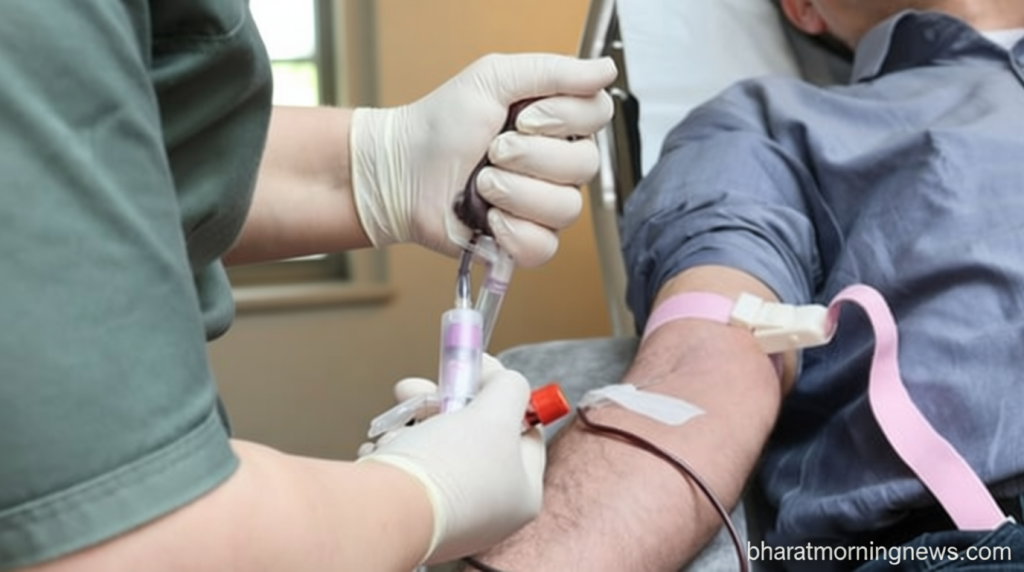
Bharatmorningnews.com – “`html Can Donating Blood Make You Obese? Expert Explains Can Donating Blood Make You Obese?
Bharatmorningnews.com – “`html
Can Donating Blood Make You Obese? Expert Explains
Many people avoid blood donation centers because of persistent myths surrounding the practice. One particularly common concern is whether regular blood donation can lead to weight gain or even obesity over time. Medical experts have now addressed this misconception with clear scientific evidence.
The Science Behind Blood Donation and Weight
Dr. J.P. Jadwani, a consultant physician at Lilavati Hospital and Research Centre, has provided detailed insights into this topic. According to his professional assessment, the relationship between blood donation and weight is often misunderstood by the general public.
“The truth is that when you donate blood, you actually burn some excess calories after your donation, when your body starts replenishing the blood you donated.”
This process of blood regeneration requires energy, which means the body naturally expends additional calories during recovery. Rather than causing weight gain, the donation process can contribute to maintaining a healthy weight when combined with proper nutrition.
Why People Gain Weight After Donation
Dr. Jadwani explained that any weight changes observed after blood donation are typically behavioral rather than physiological. Many donors consciously alter their eating patterns and exercise routines during recovery periods.
“Obesity is the result of an improper diet and lifestyle and has no relation to blood donation. However, some people, after donating blood, tend to eat more food than normal and avoid exercising for a long time, thinking it might put too much pressure on a weak body; this may cause weight gain, but it is not directly connected to blood donation.”
The physician emphasized that these behavioral changes are voluntary and can be managed through conscious lifestyle choices. The act of donating blood itself does not trigger metabolic changes that would lead to obesity.
Understanding Blood Volume and Recovery
A standard blood donation involves removing between 350 to 450 milliliters of blood from the donor. This volume represents only a small fraction of the approximately five liters of blood that an average adult possesses. The body begins the recovery process immediately after donation.
Complete restoration of donated blood components occurs within approximately three months. During this period, the bone marrow produces new red blood cells while the liver synthesizes additional plasma proteins. This natural regeneration process supports overall health and vitality.
Eligibility and Health Recommendations
Individuals aged 18 to 65 who maintain good health and do not have transmissible infections qualify for blood donation. To prevent unwanted weight fluctuations, Dr. Jadwani recommends following either a Mediterranean-style diet or a rainbow diet approach.
These dietary patterns emphasize fiber-rich foods, lean proteins, and healthy fats. Combined with regular physical activity, these nutritional choices help donors maintain their weight while supporting the body’s recovery process. Staying hydrated and getting adequate rest also contribute to optimal recovery.
Health Benefits for Donors
Beyond helping recipients, blood donors receive several health advantages. The body’s compensatory mechanism for producing new blood components represents a natural internal health boost. Regular donors often experience improved cardiovascular health and reduced iron levels, which may lower certain disease risks.
“When you donate, your body compensates for the lost blood by producing new red blood cells and plasma.”
Blood donation remains an essential voluntary contribution to healthcare systems worldwide. Understanding the scientific facts helps eliminate unnecessary fears and encourages more people to participate in this life-saving practice. The evidence clearly shows that donating blood does not cause obesity when combined with healthy lifestyle habits.
Note: This content serves informational purposes and does not replace professional medical guidance. Consult your healthcare provider regarding any medical concerns.
“`
Related SEO Topics
- Home
- Artikel terkait Can donating blood make you obese
- French lawmakers back farm bill – Why it has sparked uproar over bee-harming pesticides
- Treat the cause, not the symptom
- Botox vs fillers: Facial aesthetics expert Dr Reema Arora explains the difference and how to get natural-looking results
- Can Burnham labour enough for the UK?
Frequently Asked Questions
Apa itu Can donating blood make you obese?
Can donating blood make you obese adalah topik utama yang dibahas di artikel ini dengan konteks praktis agar pembaca memahami informasinya dengan jelas.
Mengapa Can donating blood make you obese penting?
Can donating blood make you obese penting karena membantu pembaca membandingkan pilihan, menghindari kesalahan umum, dan mengambil keputusan yang lebih tepat.
Bagaimana cara memakai panduan Can donating blood make you obese ini?
Gunakan poin utama, contoh, dan tautan terkait di halaman ini sebagai rujukan awal, lalu cek detail terbaru sebelum mengambil keputusan final.