
Can cracking your knuckles damage your joints? Orthopaedic surgeon explains the popping sound and shares when to worry
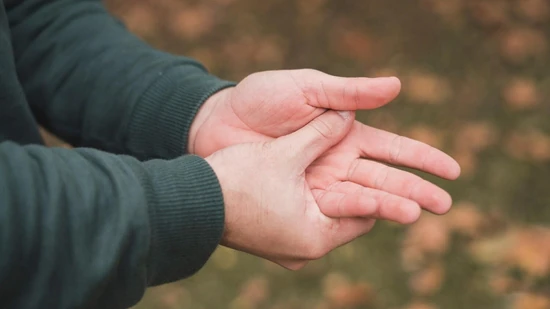
Can Cracking Your Knuckles Damage Your Joints?
Bharatmorningnews.com – Can cracking your knuckles damage your joints? This question has puzzled many people for years. That satisfying pop when you bend your fingers back and forth seems to release tension, but what’s actually happening inside your joints? Many people worry this common habit might damage their joints over time or even lead to arthritis.
We consulted Dr. (Prof) Amite Pankaj Aggarwal, principal director and head of orthopaedics and joint replacement at Fortis Hospital, Shalimar Bagh, to understand this habit better and separate fact from fiction.
Understanding the Popping Sound
Many people assume the sound comes from bones rubbing together. However, Dr. Aggarwal explains the real mechanism behind this phenomenon:
“The popping sound occurs when gas bubbles rapidly form and collapse within the synovial fluid that lubricates the joint.”
This scientific explanation helps clarify why the sound happens without any actual damage to the joint structure. The gas bubbles are primarily nitrogen, carbon dioxide, and oxygen that dissolve in the joint fluid.
What Research Says About Joint Health
According to extensive research, occasional knuckle cracking poses no real threat to joint health. Studies have consistently shown that this habit doesn’t cause arthritis or other joint problems.
“Cracking your knuckles is a common habit and, for most people, does not appear to damage the joints. Multiple studies have found no convincing link between habitual knuckle cracking and the development of joint disease,” he said.
If your knuckle cracking is occasional and painless, there’s no need for concern. The joints remain healthy and functional regardless of this habit.
Warning Signs to Watch For
While the habit itself is generally safe, excessive force or frequency can cause issues. The specialist noted that aggressive or repetitive cracking may lead to temporary discomfort, swelling, or reduced grip strength. In rare instances, it can cause injury to surrounding ligaments or tendons.
Dr. Aggarwal also highlighted certain warning signs that might indicate an underlying joint disorder rather than problems caused by the cracking itself. If you experience any of these symptoms, consulting a healthcare professional is advisable.
Healthy Alternatives for Stress Relief
Too much of anything can become problematic. If knuckle cracking interferes with daily activities, the specialist suggests healthier stress-relief methods like squeezing a soft ball or stretching your fingers. These alternatives provide similar benefits without any potential risks.
In summary, knuckle cracking rarely harms healthy joints. However, painful or persistent joint symptoms warrant evaluation by a medical professional to rule out underlying conditions.
About the Expert
Dr. (Prof.) Amite Pankaj Aggarwal brings over 18 years of experience in knee, hip and shoulder replacement, revision arthroplasty, sports injury management, and arthroscopic surgery. An alumnus of the All India Institute of Medical Sciences (AIIMS), New Delhi, he ranks among the country’s youngest Professors of Orthopaedics and has completed more than 5,000 joint replacement surgeries.
Note to readers: This article is for informational purposes only and not a substitute for professional medical advice. Always seek the advice of your doctor with any questions about a medical condition.