
‘Between me and students’: CJI Surya Kant slams Bar Council move against protesters
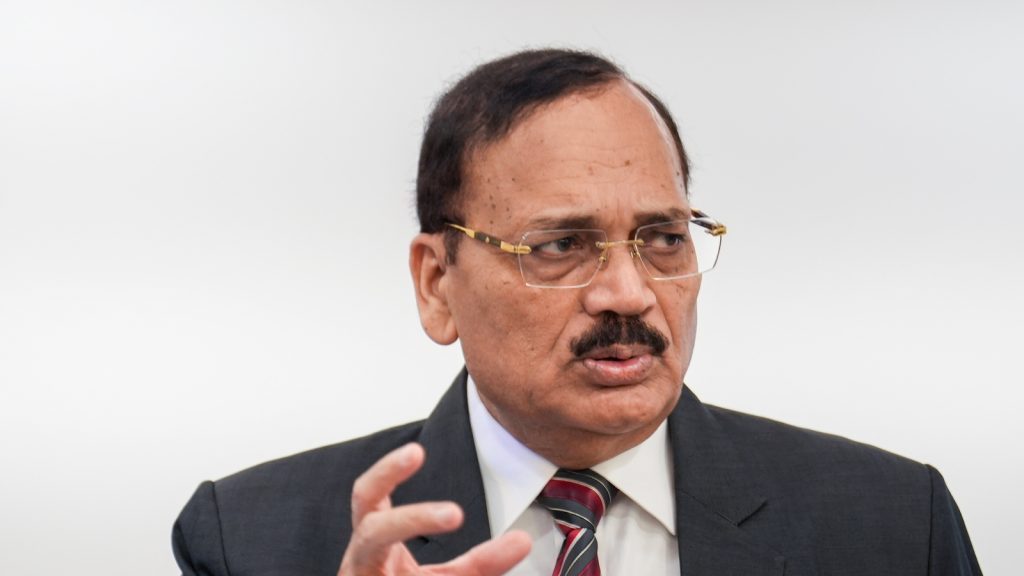
Supreme Court: Students’ Right to Protest in NALSAR Dispute
Bharatmorningnews.com – The Chief Justice of India, Surya Kant, delivered a clear message to the Bar Council of India regarding the NALSAR University of Law enrollment controversy. Speaking directly about the matter, the CJI stated, “Between me and students,” emphasizing that the national legal body had overstepped its authority by attempting to curb students’ legitimate right to demonstrate. The apex court made it unequivocally clear that the judiciary would not permit any obstruction to peaceful student demonstrations conducted through lawful means.
Furthermore, the Supreme Court issued directives restraining both the BCI and all state-level bar councils from initiating any criminal or punitive measures against faculty members and students affiliated with national law universities or other institutions involved in the ongoing controversy.
BCI’s Shifting Stance and Court’s Response
These judicial observations followed shortly after BCI chairman Manan Kumar Mishra revealed that the council would conclude its proceedings against the 2026 graduating cohort of NALSAR Hyderabad. Earlier, the BCI had temporarily suspended the enrollment of these students before reversing that decision, though it maintained an investigation into those perceived as leading the campaign against inviting CJI Kant as the convocation’s chief guest.
Simultaneously, the Supreme Court accepted a petition requesting future restrictions on the BCI’s power to issue similar directives. A three-member bench comprising CJI Kant, Justice Joymalya Bagchi, and Justice V Mohana summoned the council to submit its response within a fortnight.
“The BCI is unnecessarily taking action in this matter. If students have a cause or a reason to protest, they have a right to protest. Nobody can stop them, and we will not allow this,” the CJI declared after senior advocate K Parameshwar brought the issue before the bench.
Advocate Parameshwar argued that the BCI lacked jurisdiction to intervene in internal university affairs and that its actions infringed upon students’ fundamental freedoms of speech and expression. He noted that merely withdrawing the initial enrollment freeze letter did not eliminate the grounds for challenging the council’s conduct, suggesting that the episode revealed significant flaws in the BCI’s operational framework.
“We are with you. This is absolutely uncalled for. They had no business to interfere. The students have written a letter to me, and it is between me and the students. There is a dialogue between us,” the Chief Justice responded.
Personal Reflections on Student Dissent
Drawing from his own past experiences, the CJI highlighted the significance of permitting disagreement within academic environments. He recalled his active participation in student movements during his youth and affirmed that students possess an inherent right to voice their concerns, provided their demonstrations remain orderly and non-violent.
“In my younger days, I was also actively involved in student activities. They have a right to protest. Who can stop them? So long as they are lawfully and peacefully protesting, they have a right to raise their voice,” he stated.
Additionally, the CJI expressed the view that institutions must demonstrate magnanimity toward student expression. He remarked that even when students hold incorrect positions, they retain the entitlement to articulate their views freely.
“We have to be large-hearted. They should be allowed to speak. Even if they are wrong, they have a right to speak.”
Procedural Questions and Next Steps
Justice Bagchi raised concerns about whether the BCI Council had formally convened to pass the resolution affecting NALSAR students. She requested that this matter be addressed in the council’s forthcoming reply, as presented by advocate Radhika Gautam.
According to Parameshwar, a BCI member from Kerala informed him that no official council meeting occurred, casting doubt on the legitimacy of the decision-making process.
The court further instructed the BCI to prevent any delays in student enrollment while conveying a message through Parameshwar. The CJI directed the senior counsel to advise all students to complete their enrollment promptly and obtain membership with the State Bar Council of Andhra Pradesh.
According to the court’s order, pending additional proceedings, no punitive or criminal actions may be initiated against students or faculty of national law universities or other educational institutions.
Origins of the Controversy
The dispute originated when a segment of NALSAR students opposed the invitation extended to CJI Kant as the convocation chief guest. The students argued that the CJI should not be invited while a case involving him was pending before the Supreme Court. This disagreement led to tensions between the student body and university administration, eventually drawing the Bar Council of India into the matter.
Frequently Asked Questions
What did the Supreme Court rule regarding the BCI’s intervention?
The Supreme Court ruled that the Bar Council of India had no business to interfere in the NALSAR student protest. The court emphasized that students have a fundamental right to protest peacefully and that the BCI overstepped its authority by attempting to curb this right.
What is the current status of NALSAR students’ enrollment?
The Supreme Court has directed the BCI to prevent any delays in student enrollment. Students are advised to complete their enrollment promptly and obtain membership with the State Bar Council of Andhra Pradesh while pending proceedings continue.
What did CJI Surya Kant mean by “Between me and students”?
The CJI used this phrase to indicate that the matter of student protest was a direct relationship between himself and the students. He emphasized that there is a dialogue between them and that external bodies like the BCI should not unnecessarily interfere in this relationship.
What restrictions did the court place on the BCI?
The court restrained the BCI and all state-level bar councils from initiating any criminal or punitive measures against faculty members and students affiliated with national law universities or other institutions involved in the ongoing controversy.