
Bangladesh and its blood feuds
Bangladesh and Its Blood Feuds: A Deep Dive into Regional Politics
Bharatmorningnews.com – Bangladesh and its blood feuds have shaped the nation’s political trajectory for decades. The South Asian country continues to navigate complex relationships between its founding families, regional powers, and international allies. Recent developments have reignited discussions about generational rivalries that define the region’s governance patterns.
Sajeeb Wazed, grandson of Sheikh Mujibur Rahman and son of former Prime Minister Sheikh Hasina, recently characterized Bangladesh’s new leadership as representing a “new Pakistan.” His comments extended beyond mere political criticism, as he also asserted that Pakistan’s intelligence agency, the ISI, maintains unrestricted operations within Bangladesh’s territorial boundaries.
Historical Foundations of Political Violence
The roots of Bangladesh’s political conflicts trace back to the nation’s post-colonial formation period. The founding family endured extraordinary sacrifices during the struggle for independence and subsequent years. A military coup nearly eliminated the first family entirely before the country’s transition to independence could fully stabilize.
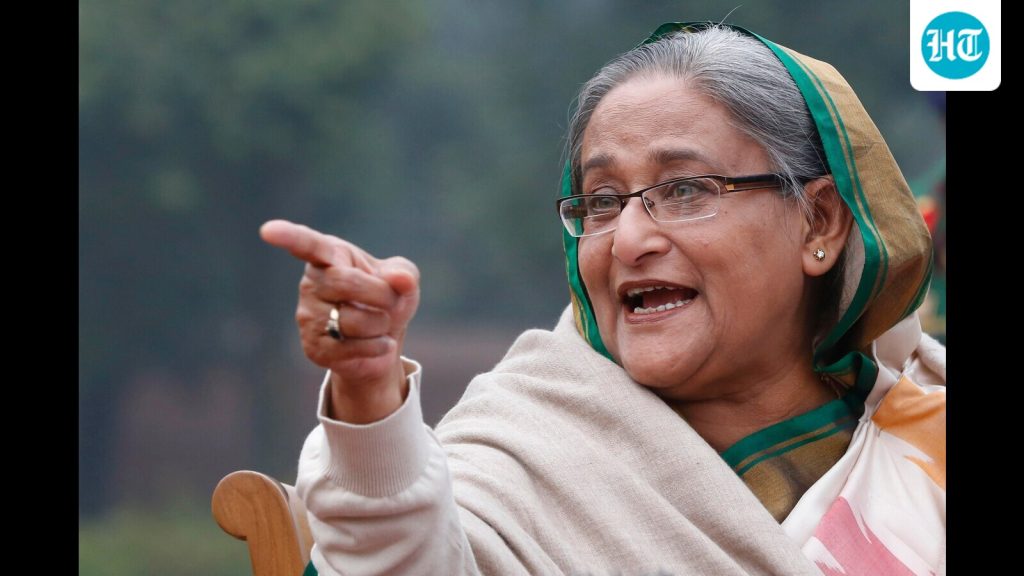
Hasina, currently leading the Awami League from exile in Delhi, delivered her first public speech in two years. During this emotional address, she recalled relatives who were killed before, during, and following Bangladesh’s independence movement. Her family’s personal losses exemplify the human cost of political leadership in the region.
Diplomatic Realignment and Regional Tensions
India-Bangladesh relations experienced deterioration following Hasina’s arrival in Delhi after the July 2024 student-led uprising. Both Muhammad Yunus, who headed the interim government, and current Prime Minister Tarique Rahman expressed clear dissatisfaction with India’s decision to provide sanctuary to the former leader.
The Bangladesh Nationalist Party’s emergence to power, alongside widespread public opposition toward the founding family, has created a challenging diplomatic environment for New Delhi. Simultaneously, Yunus and Rahman have been cultivating relationships with both China and Pakistan, potentially establishing another complex frontier for Indian foreign policy.
During the Foreign Correspondent’s Club gathering in Delhi, Wazed highlighted concerns about Pakistan’s growing involvement in Bangladesh affairs. He suggested this development could generate complications for India as well. Given that Pakistan currently receives support from both China and the United States, the Indian government must approach Bangladesh-related matters with particular strategic caution.
What is it about South Asian politics that it cannot be delinked from blood feuds that rage between power stakeholders?
For Hasina, the path forward remains uncertain. If Bangladesh truly represents the “new Pakistan” as Wazed suggests, any deposed leader considering return must carefully evaluate potential risks against the desire to go home. The situation illustrates how Bangladesh and its blood feuds continue to influence regional stability and international relationships.
Frequently Asked Questions
What triggered the July 2024 student-led uprising in Bangladesh? The uprising was driven by widespread public dissatisfaction with the existing government and its policies, leading to significant political changes and Hasina’s departure from the country.
Who is currently leading Bangladesh’s interim government? Muhammad Yunus, the Nobel laureate, headed the interim government following the political transition after the student-led movement.
How has India’s position changed regarding Hasina’s return? India initially provided sanctuary to Hasina but faces growing pressure from Bangladesh’s new leadership and public opinion, creating a complex diplomatic balancing act.
What role does Pakistan play in Bangladesh’s current political landscape? Pakistan’s intelligence agency, the ISI, reportedly operates without restriction in Bangladesh, and the country is strengthening ties with Bangladesh’s new leadership while receiving support from both China and the United States.