
After 3,000 Years, People Are Finally Reading The Odyssey—at Least on Wikipedia
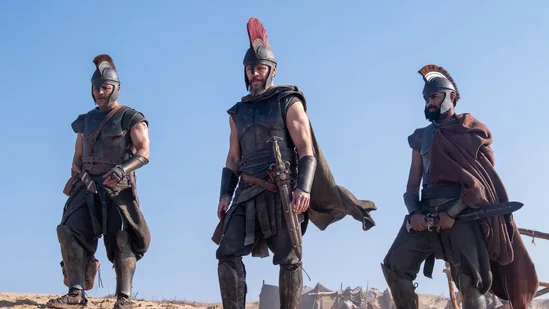
After 3,000 Years, People Are Finally Reading The Odyssey
Bharatmorningnews.com – After 3,000 years, people are finally turning their attention to Homer’s *The Odyssey*, albeit in a somewhat unexpected way. The ancient epic, which dates back to the 8th century BCE, has long been a staple of classical education but has seen a surge in popularity recently, thanks to a viral phenomenon on Wikipedia. This shift in interest highlights how digital platforms can reinvigorate classic literature, bringing it into the modern spotlight. For many, the journey begins with a single click, sparking a deeper curiosity that leads to actual engagement with the text.
The Unexpected Catalyst: Christopher Nolan’s Adaptation
Christopher Nolan’s 2023 film adaptation of *The Odyssey* has played a pivotal role in this renewed attention. The director’s decision to base his cinematic retelling on Emily Wilson’s modern translation has not only introduced the epic to a broader audience but also encouraged readers to explore the original work. The film’s release has created a ripple effect, with many viewers eager to understand the source material before or after watching the adaptation. This trend underscores how contemporary media can serve as a bridge to ancient texts, making them more accessible and relevant.
“I need to make sure that I read it, so that I know if it’s accurate or not,” said Sam Wall, a high school student who initially approached the poem with minimal interest. His experience is emblematic of a larger cultural shift, where the film has acted as a motivator for people to delve into the ancient epic. While Wall’s initial motivation was academic, others have found themselves drawn to the story’s timeless themes of perseverance, homecoming, and human resilience.
The Digital Renaissance of Classic Literature
The surge in readership is not limited to students. With the film’s impending debut, readers have begun exploring different editions of the poem, from classical translations to modern interpretations. TikTok has become a hub for fans to showcase their favorite versions, with Emily Wilson’s translation gaining particular traction. Sales of the book have spiked significantly, according to W.W. Norton, as people seek to connect with the material on a more personal level. This trend reflects a growing trend in digital-age learning, where curiosity is often ignited by multimedia engagement rather than traditional classroom settings.
For English teachers and Homeric scholars, the phenomenon is both surprising and slightly frustrating. They’ve long emphasized the importance of reading the original text, yet now it’s the film that’s driving interest. Some educators see this as a positive development, acknowledging that exposure to the story through modern adaptations can spark a lasting fascination. Others, however, lament that the focus has shifted from the poem’s literary merit to its cinematic counterpart, raising questions about the depth of engagement.
“It’s a Rolls-Royce,” remarked Daniel Mendelsohn, a professor at Bard College. “Get in it and take it for a drive—you’ll wonder why you ever drove anything else.” Mendelsohn’s comment captures the essence of the debate: while the film has brought *The Odyssey* into the public eye, it also raises the bar for what it means to truly “read” the epic. For many, the journey is just beginning, with the film serving as an entry point rather than a substitute for the original work.
Meanwhile, the digital realm has amplified this movement. Wikipedia, which has seen a notable increase in traffic to *The Odyssey*’s page, offers a free and accessible gateway to the text. This democratization of knowledge has allowed people from diverse backgrounds to engage with the epic, whether as students, casual readers, or film enthusiasts. The accessibility of the text, combined with its enduring relevance, has made it a compelling subject for modern audiences. As the film continues to generate buzz, the poem’s place in cultural discourse is being redefined for a new generation.
As the phenomenon gains momentum, it’s clear that the interplay between ancient texts and modern media is reshaping how people interact with literature. The rise of online platforms, coupled with the popularity of cinematic adaptations, has created a unique opportunity for classic works to thrive in the digital age. For those who are finally reading *The Odyssey*, the experience is not just about uncovering its historical significance but also about connecting with its timeless narrative in a way that feels personal and immediate. After 3,000 years, the story of Odysseus continues to evolve, proving that even the oldest tales can find new life in the hands of the curious.