
Oppn slams Modi’s women’s quota appeal; Fadnavis calls their stand ‘hypocrisy’
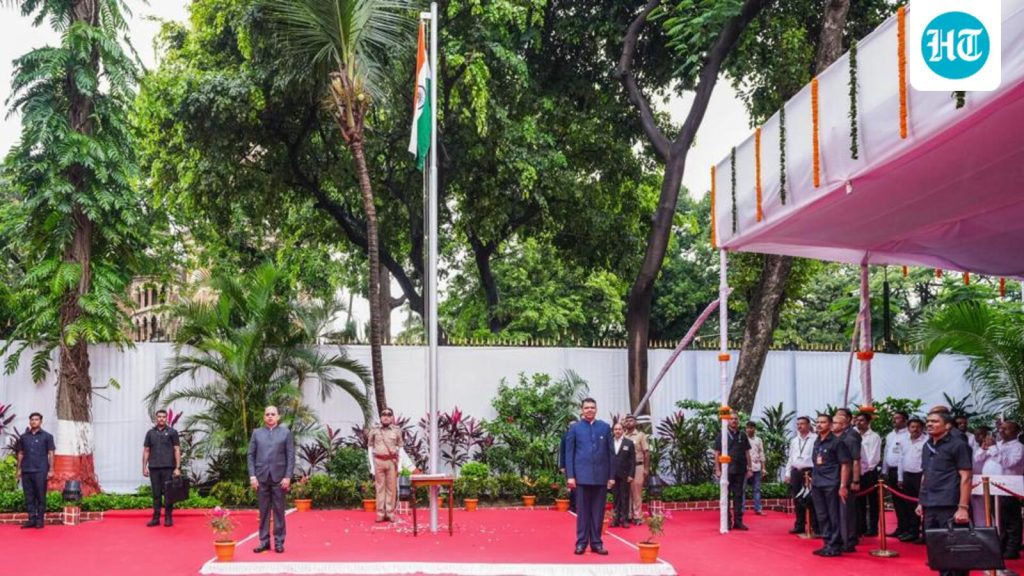
Opposition Slams Modi’s Women Quota Appeal; Fadnavis Calls It Hypocrisy
Bharatmorningnews.com – Maharashtra’s opposition parties have strongly criticized Prime Minister Narendra Modi’s recent appeal on women’s representation in politics. The Prime Minister urged all political parties to support a 33 percent reservation for female candidates in state assemblies and the Lok Sabha. Critics pointed out that Parliament had already approved this legislation without any dissent in 2023, raising questions about the delay in implementation.
Government’s Defense and Conditions
Devendra Fadnavis, who heads the BJP-led Mahayuti coalition in Maharashtra and serves as chief minister, defended the central government’s position. He characterized the opposition’s reaction as hypocritical. According to Fadnavis, if opposition groups truly champion women’s representation, they must endorse the proposed Delimitation Bill. He explained that this redrawing of constituencies represents one of the prerequisites for enacting the women’s quota legislation.
During his Independence Day speech on Saturday, Modi emphasized that women’s reservation remains a pressing priority. He encouraged all political entities to embrace the measure and claim credit for it. His statement carried an implicit challenge, as the quota can only take effect following a census and the contentious delimitation process outlined by the NDA administration.
Currently, the government aims to introduce a constitutional amendment that would allow women’s reservation to begin in 2029. This approach would rely on existing population figures rather than waiting for a new census, alongside the proposed Delimitation Bill.
Opposition Reactions
Supriya Sule, working president of the NCP (SP) and a member of the Maha Vikas Aghadi, responded to the Prime Minister’s appeal. She noted that both houses of Parliament had unanimously passed the Women’s Reservation Bill in 2023. According to Sule, all political parties share the same view on this matter and desire immediate implementation.
“The Women’s Reservation Bill was passed by both the Lok Sabha and the Rajya Sabha in 2023, and that too unanimously. All political parties are on the same page on this issue, and everyone wants to see the reservation implemented.”
The Shiv Sena (UBT), another component of the MVA alliance, also challenged Modi’s position. MP Sanjay Raut questioned why the Nari Shakti Vandan Adhiniyam, which received unanimous parliamentary approval in 2023, remains unimplemented.
“The Bill (Nari Shakti Vandan Adhiniyam) was cleared by Parliament unanimously in 2023. I want to ask the Prime Minister why it has still not been implemented.”
Delimitation Concerns
The central government’s strategy of connecting women’s reservation with the delimitation exercise has triggered strong opposition. Many opposition members believe that redrawing constituency boundaries could significantly change how parliamentary seats are distributed among states, potentially benefiting the ruling party.
Opposition leaders argue that adjusting constituencies according to population would disadvantage southern and eastern states that have effectively managed population growth. They contend that the current delimitation framework would transfer parliamentary influence disproportionately toward northern states, thereby disturbing India’s federal equilibrium.
Fadnavis Counters Opposition Arguments
Fadnavis dismissed the opposition’s concerns and asserted that supporters of women’s reservation must also endorse the necessary constitutional amendment. He recalled that the 2023 bill included two implementation conditions: completing a fresh census and conducting the delimitation exercise. Because the census process faced delays, the government introduced a constitutional amendment to utilize existing population data. However, Fadnavis noted that certain opposition parties opposed this amendment, causing it to fail due to insufficient two-thirds majority support.
“In 2023, the Women’s Reservation Bill was passed with two conditions for its implementation. One was the completion of a fresh census and delimitation exercise. Since the census was taking time, a constitutional amendment bill was brought in to enable implementation using the existing census data. However, some opposition parties did not support it, and the bill was defeated because it could not secure the required two-thirds majority.”
According to Fadnavis, opposition members were fully informed about these two prerequisites, making their current position nothing more than hypocrisy.
Frequently Asked Questions
What is the Women’s Reservation Bill? The Women’s Reservation Bill, also known as Nari Shakti Vandan Adhiniyam, provides for 33 percent reservation for women in the Lok Sabha and state legislative assemblies. It was passed unanimously by both houses of Parliament in 2023.
Why is there a delay in implementation? The implementation of the Women’s Reservation Bill is linked to two conditions: completion of a fresh census and delimitation exercise. The government has introduced a constitutional amendment to use existing population data instead of waiting for a new census.
What is the Delimitation Bill? The Delimitation Bill involves redrawing constituency boundaries based on population. Opposition parties argue this could benefit northern states and potentially the ruling party, while southern and eastern states may lose representation.
When will women’s reservation take effect? The government aims to implement women’s reservation starting from 2029, following the completion of the delimitation process and the constitutional amendment.
What is Fadnavis’s stance on the opposition’s position? Maharashtra Chief Minister Devendra Fadnavis called the opposition’s stance hypocritical, noting that they were aware of the two prerequisites for implementation but opposed the constitutional amendment that would allow implementation using existing census data.