
Moshi tragedy: Company, two PCMC engineers submit replies
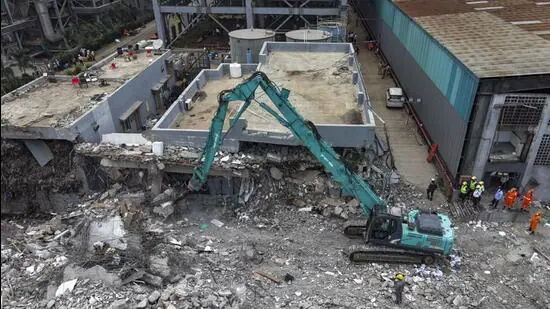
Moshi Tragedy: Company and Two PCMC Engineers Submit Replies to Inquiry
Bharatmorningnews.com – The Moshi tragedy, which shocked the city of Pune and raised urgent questions about waste management safety, has seen Antony Lara Renewable, the company responsible for the Moshi garbage depot, along with two senior engineers from the Pimpri Chinchwad Municipal Corporation (PCMC), provide detailed written responses to an ongoing investigation. These replies, submitted on Tuesday, are part of a broader effort to determine accountability and prevent similar incidents in the future.
Timeline of the Moshi Tragedy
The disaster unfolded on July 8 when a massive garbage mound at the Moshi waste-to-energy facility collapsed, trapping 23 individuals. The collapse occurred in the early hours of the morning, resulting in nine fatalities and 14 survivors. The tragedy was exacerbated by the fact that the site had been operational for years, yet no major safety concerns were previously reported. The search and rescue operation, which lasted 84 hours, involved the National Disaster Response Force, Indian Army, fire brigade, and police, ultimately recovering all missing workers.
Investigation and Official Responses
Following the incident, the municipal commissioner, Vijay Suryawanshi, initiated an urgent inquiry to assess the circumstances leading to the collapse. On July 13, notices were issued to Antony Lara Renewable and two PCMC officials—chief engineer Sanjay Kulkarni and executive engineer Yogesh Alhat—to submit their responses by July 14. The replies, received on Tuesday evening, have been reviewed by the civic authorities to evaluate the company’s and engineers’ adherence to safety protocols.
“The written replies from Antony Lara Renewable, chief engineer Sanjay Kulkarni, and executive engineer Yogesh Alhat have been received. These documents are crucial in understanding the factors contributing to the Moshi tragedy,” said a PCMC official, highlighting the importance of the submissions in the inquiry process.
Focus on Safety Protocols and Accountability
The investigation is not only examining the immediate cause of the collapse but also the long-term safety measures in place at the Moshi garbage depot. The PCMC has directed the environment department and the contractor to evaluate whether the facility met all structural and operational standards. The tragedy has sparked calls for stricter oversight of waste management projects, particularly those involving large-scale garbage storage and processing.
Antony Lara Renewable, which operates the Moshi facility, has been accused of negligence in maintaining the integrity of the garbage pile. The company’s response reportedly outlines the steps taken to ensure safety, but critics argue that these measures were insufficient to prevent the disaster. Meanwhile, the PCMC engineers have defended their role, stating that they followed standard procedures and that the incident was an unforeseen occurrence.
Impact on the Community and Future Measures
The Moshi tragedy has left a profound impact on the local community, with families of the victims demanding transparency and accountability. The incident has also drawn attention to the working conditions of employees at such facilities, many of whom are exposed to hazardous environments without adequate protective measures. As the inquiry progresses, officials are expected to recommend changes to safety protocols and possibly hold the involved parties responsible for their actions.
In the wake of the disaster, the civic administration has pledged to improve oversight and ensure that similar tragedies do not occur again. The responses submitted by Antony Lara Renewable and the two PCMC engineers will be scrutinized to determine whether they were aware of the risks and whether their actions contributed to the incident. This will be a critical step in shaping future policies and practices for waste management in Pune.
Broader Implications for Municipal Infrastructure
The Moshi tragedy has become a focal point for discussions on the state of municipal infrastructure in Pune. Experts have pointed out that while the city has made strides in waste management, the incident underscores the need for more rigorous inspections and updated safety standards. The collapse of the garbage mound serves as a stark reminder of how critical it is to maintain structural stability in facilities handling large volumes of waste.
As the investigation continues, the focus remains on the Moshi tragedy and its implications for public safety. The responses from the company and PCMC officials will likely be used to inform new regulations and to determine whether the incident qualifies as a preventable disaster. The final report is expected to provide a comprehensive analysis of the event, ensuring that lessons learned are applied to other municipal projects across the region.