
Metro to link Barabanki, CG City as Lucknow’s 12-corridor plan awaits nod
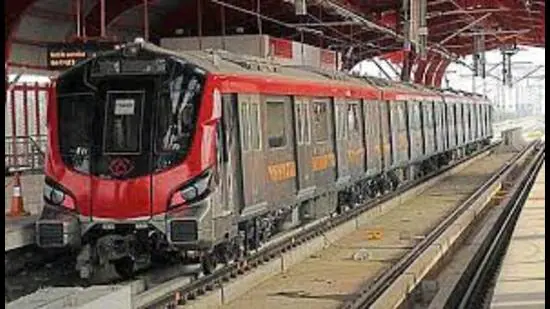
Lucknow’s 12-Corridor Metro Plan Awaits State Approval
Bharatmorningnews.com – The Metro to link Barabanki CG City is a pivotal initiative under Lucknow’s ambitious 12-corridor plan, designed to revolutionize urban connectivity and support the city’s growth trajectory until 2040-50. This infrastructure project, which has already sparked significant debate among city planners and stakeholders, aims to address the escalating traffic congestion and provide a reliable, sustainable transport system. The proposal, submitted by the Uttar Pradesh Metro Rail Corporation (UPMRC), outlines a network of 12 corridors that will integrate rapidly expanding neighborhoods, new housing developments, commercial hubs, and industrial zones into a cohesive mobility blueprint. While the plan is still awaiting final approval, its potential to transform Lucknow’s urban landscape is already being recognized as a key step toward long-term development.
Strategic Vision for a Modernized Transport System
According to the draft Comprehensive Mobility Plan (CMP)-2025, the Metro to link Barabanki CG City is not just a standalone project but part of a larger vision to create a metro system that spans Lucknow and its neighboring regions. The plan emphasizes the need for proactive infrastructure planning to meet the city’s future demands, rather than merely addressing current traffic issues. Officials highlighted that the corridors are positioned based on anticipated zones of urban expansion, ensuring that the metro network aligns with where growth is most likely to occur. The inclusion of the Barabanki-CG City link is expected to bridge the gap between Lucknow and its outskirts, offering commuters a faster and more efficient alternative to road-based travel.
One of the most notable aspects of the CMP-2025 is its focus on multi-modal integration. The proposed metro routes will connect with existing and planned road networks, ensuring seamless transitions for passengers. This approach is anticipated to reduce the dependency on private vehicles, thereby alleviating traffic congestion and lowering carbon emissions. The Uttar Pradesh Metro Rail Corporation (UPMRC) has also emphasized the importance of these corridors in fostering economic opportunities, as they are expected to stimulate development in underserved areas while enhancing access to key urban centers.
Technical Details and Corridor Breakdown
The CMP-2025 includes a mix of elevated and underground metro corridors to optimize space utilization and minimize disruption to Lucknow’s urban environment. Among the highlighted routes, the Metro to link Barabanki CG City will likely be one of the longest, spanning significant distances to connect the city’s northern suburbs with its central business districts. This corridor is anticipated to reduce travel times between these regions by up to 30%, making it a crucial element of the city’s transportation strategy. The plan also features other key routes, such as the Rajajipuram-IIM corridor (18 km) and the CCS Airport-Kalli Paschim line (15.5 km), which are expected to enhance connectivity between Lucknow and nearby airports, educational institutions, and industrial zones.
“The Metro to link Barabanki CG City project is a game-changer for Lucknow’s infrastructure, as it will connect major residential areas with critical urban hubs while ensuring the city’s growth remains sustainable,” remarked UPMRC official Kumar in a recent statement.
Other corridors in the plan include the Indira Nagar-CG City link (11.5 km), which will provide residents with direct access to the CG City business district. The proposal also incorporates the CG City-SGPGI route (9.8 km), aimed at linking the city’s medical and educational facilities with commercial and residential zones. These routes collectively form a network that not only addresses immediate transportation needs but also anticipates the city’s evolving demands as it continues to expand.
Benefits and Economic Impact
Experts believe that the Metro to link Barabanki CG City will have a transformative effect on Lucknow’s urban mobility. By providing an alternative to traditional road networks, the project is expected to reduce traffic bottlenecks and improve travel efficiency for millions of residents. The integration of these corridors into the city’s existing transport framework will also create new job opportunities, as construction and maintenance will require a significant workforce. Furthermore, the metro system is anticipated to attract investments in commercial and industrial sectors, as improved connectivity often leads to increased business activity.
Local businesses and developers are already expressing optimism about the potential of the 12-corridor plan. The CG City-SGPGI corridor, for instance, is expected to boost economic activity in the area by connecting it to major healthcare and educational institutions. Similarly, the Anora Kala-Barabanki route (14.43 km) will provide a direct link between Lucknow and the nearby Barabanki district, facilitating trade and daily commutes. These developments are projected to contribute to the city’s GDP growth and support the government’s goal of making Lucknow a regional hub for commerce and industry.
Implementation Timeline and Future Prospects
Once the state government approves the CMP-2025, the UPMRC will begin drafting detailed project reports (DPRs) for each corridor. These reports will outline the construction timelines, budget allocations, and technical specifications required for the metro system to function efficiently. The implementation is expected to take place in stages, with priority given to corridors that have the highest demand and most immediate impact on urban mobility. For example, the Vasant Kunj-Kalli Paschim route