
‘Leopard safari to be launched in Pilibhit district soon’
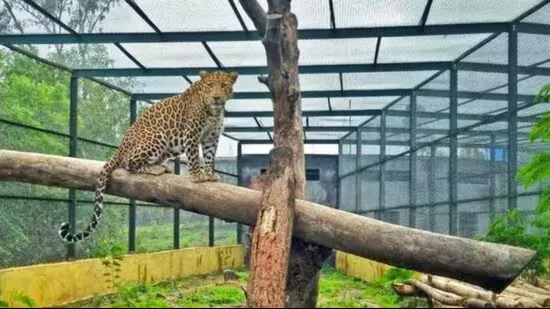
Leopard Safari: A New Era for Wildlife Tourism in Pilibhit District
Bharatmorningnews.com – Leopard safari to be launched in Pilibhit district soon—a groundbreaking initiative that is set to redefine the landscape of wildlife tourism in Uttar Pradesh. As the state grapples with growing concerns over the conservation of its native fauna, the announcement of this specialized safari in Pilibhit has sparked significant interest among both tourists and environmentalists. The project, which aims to offer immersive experiences for visitors, is expected to not only boost local tourism but also play a vital role in preserving the region’s leopard population while educating the public about their ecological importance.
Project Development and Ministerial Oversight
Forest, Environment and Climate Change Minister Arun K Saxena recently emphasized the urgency of launching the leopard safari during a comprehensive review meeting. According to a press statement released after the session, the minister highlighted that a detailed project report (DPR) had already been finalized, paving the way for swift implementation. “This leopard safari to be launched in Pilibhit will serve as a catalyst for transforming wildlife tourism in the state and providing a unique opportunity for tourists to engage with leopards in their natural habitat,” Saxena stated during the meeting.
The initiative is part of a broader strategy to enhance eco-tourism in the region, which is home to one of India’s most biodiverse wildlife zones. Pilibhit, known for its dense forests and rich biodiversity, is an ideal location for such a safari. The project is designed to integrate conservation efforts with visitor engagement, ensuring that tourism activities contribute to the protection of leopards rather than disrupt their habitats. By creating a structured framework for observation, the safari will help reduce human-wildlife conflict while generating revenue for local conservation programs.
Progress on Other Wildlife Projects
The review meeting also served as a platform to discuss the development of other key wildlife sites in the state. Pilibhit Tiger Reserve and Dudhwa National Park were highlighted for their critical role in leopard conservation. Additionally, the meeting covered the status of the Etawah Lion Safari and the Kanpur Zoological Park, both of which have been instrumental in attracting visitors to the state’s natural heritage. The Nawab Wajid Ali Shah Zoological Garden in Lucknow was also reviewed, with officials stressing the need to modernize its facilities and align them with international standards.
One of the other notable topics addressed during the meeting was the progress of the Snake Venom Extraction Centre in Lucknow. While this project is distinct from the leopard safari, it underscores the government’s commitment to holistic wildlife management. The centre is expected to improve snakebite treatment and support research on venomous species, further enhancing the state’s infrastructure for both conservation and public health. These parallel initiatives demonstrate a coordinated approach to safeguarding Uttar Pradesh’s wildlife and ecosystems.
Collaboration and Infrastructure Upgrades
Officials from the Department of Forests, Environment, and Climate Change, including Principal Secretary V Hekali Zhimomi and PCCF (Wildlife) Anuradha Vemuri, played a pivotal role in shaping the leopard safari to be launched in Pilibhit. The meeting underscored the importance of collaboration between state agencies, local authorities, and conservation experts to ensure the project’s success. Detailed discussions focused on the infrastructure required for the safari, including the construction of viewing platforms, guided trails, and visitor centers equipped with educational displays.
Moreover, the minister stressed the need to improve public amenities at all wildlife sites to enhance the overall visitor experience. “A clean and well-maintained environment is essential for attracting tourists and fostering a sense of responsibility towards wildlife conservation,” he noted. Instructions were given to conduct regular inspections of public toilets and other facilities across zoological parks and national parks. This emphasis on hygiene and maintenance reflects the government’s recognition of how infrastructure directly impacts tourism and public perception of conservation efforts.
Expected Benefits and Future Prospects
Analysts believe that the leopard safari to be launched in Pilibhit could become a flagship attraction for Uttar Pradesh’s eco-tourism sector. By offering a closer, controlled interaction with leopards, the project is expected to draw a diverse range of visitors, including nature enthusiasts, researchers, and families. This could create a new revenue stream for the state while promoting awareness about the conservation challenges faced by these elusive big cats. The safari will also serve as a model for sustainable tourism, balancing visitor access with habitat preservation.
Local communities are anticipated to benefit significantly from the project. The development of tourism infrastructure is likely to generate employment opportunities and support small businesses in the surrounding areas. Additionally, the increased visibility of Pilibhit as a wildlife destination may encourage more investments in conservation and development. As the safari takes shape, it is expected to contribute to the state’s efforts in achieving its environmental goals while showcasing the unique biodiversity of the region.
“The leopard safari to be launched in Pilibhit represents a monumental step towards integrating tourism with conservation. It will not only provide an unforgettable experience for tourists but also inspire a deeper connection with nature,” said a wildlife expert from the state’s conservation department.
With the project in its final stages of preparation, the implementation of the leopard safari to be launched in Pilibhit is anticipated to begin within the next few months. The government’s proactive approach to wildlife tourism highlights its commitment to preserving the state’s natural heritage while adapting to the evolving needs of visitors. As the safari becomes operational, it will mark a new chapter in Uttar Pradesh’s efforts to promote eco-friendly tourism and protect its iconic wildlife species.