
Kharif sowing picks up across Maharashtra after July rains
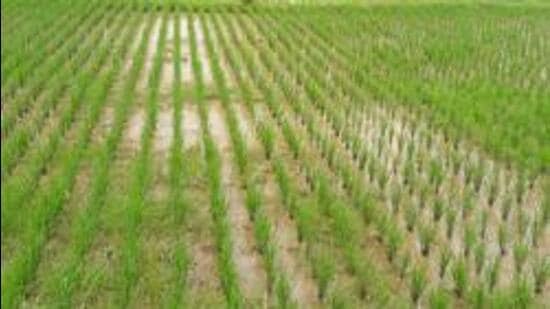
Kharif Sowing Accelerates in Maharashtra Following July Rainfall
Bharatmorningnews.com – The Kharif sowing picks up across Maharashtra has seen a significant uptick after the July rains, according to the state’s agriculture department. With approximately 71% of the 1.03 crore hectares of typical Kharif-cultivable land now under cultivation, the progress is a welcome relief for farmers and officials alike. This marks a notable rebound from mid-June, when sowing activity was limited to just 1.43 lakh hectares due to a below-average monsoon. However, the current pace still lags behind last year’s figures, where nearly 85% of sowing was completed by the same time. The improved rainfall in July, which surpassed normal levels by 23%, has played a crucial role in jumpstarting the agricultural cycle and enabling faster cultivation rates.
July Rainfall Revives Sowing Momentum
“The delayed start in June, which saw rainfall at 125 mm—well below the usual 207 mm—slowed sowing. But the recent rains, reaching 210 mm in July, have helped farmers regain momentum. While some districts are still behind, sustained rainfall this month could bring them up to speed,” stated State Agriculture Minister Dattatray Bharne in an interview with Hindustan Times.
Officials from the agriculture department emphasized that daily monitoring by senior staff and district-level officers is ongoing to track the seasonal progress. The surge in Kharif sowing picks up across the state, particularly in areas that had been affected by the monsoon shortfall, has been a critical factor in restoring confidence among agricultural stakeholders. The favorable conditions in July have not only improved planting rates but also allowed for the timely initiation of various sowing activities, which are essential for a successful harvest season.
Regional Disparities Highlight Persistent Challenges
Despite the overall uptick in Kharif sowing picks up across Maharashtra, certain districts continue to face hurdles. In Pune, Solapur, and Nandurbar, less than 50% of the Kharif planting has been completed, attributed to insufficient rainfall earlier in the season. A senior official noted, “So far, sowing has reached 35% in Pune, 42% in Nandurbar, and 34% in Solapur, with the potential for further gains if August remains favorable.”
The progress in these districts is slower compared to others, but officials remain optimistic that the monsoon’s second half could close the gap. The agriculture department has also observed that the Kharif sowing picks up across the state is not uniform, with some regions benefitting more from the July rainfall than others. This variation underscores the importance of localized weather patterns and the need for continued support to ensure equitable crop development.
Major Crops Show Diverse Progress
Maize sowing has advanced to 9.58 lakh hectares, a 3% increase from the usual area. Tur cultivation has reached 9.6 lakh hectares, covering 75% of its typical scope. Mung and urad planting stands at 1.11 lakh and 1.33 lakh hectares respectively, representing 37% of their normal cultivation areas. These figures indicate that while certain crops are on track, others still require additional support to meet seasonal targets.
Officials also highlighted the importance of early sowing in ensuring optimal yield. The Kharif sowing picks up across the state, particularly in regions with adequate rainfall, is expected to lead to a robust harvest. However, the delayed start in some areas could affect the overall production, necessitating interventions to address the disparities. The agriculture department is working closely with local authorities to provide timely assistance and ensure that all districts can participate effectively in the sowing process.
As the Kharif sowing picks up across Maharashtra, the focus is shifting towards the next phase of crop development. Farmers are being encouraged to complete their planting tasks as soon as possible to take advantage of the current favorable conditions. The state’s agricultural infrastructure, including irrigation systems and supply chains, is also being leveraged to support the increased activity. With the right coordination and resources, the progress in Kharif sowing picks up across the state could translate into a bountiful harvest season.